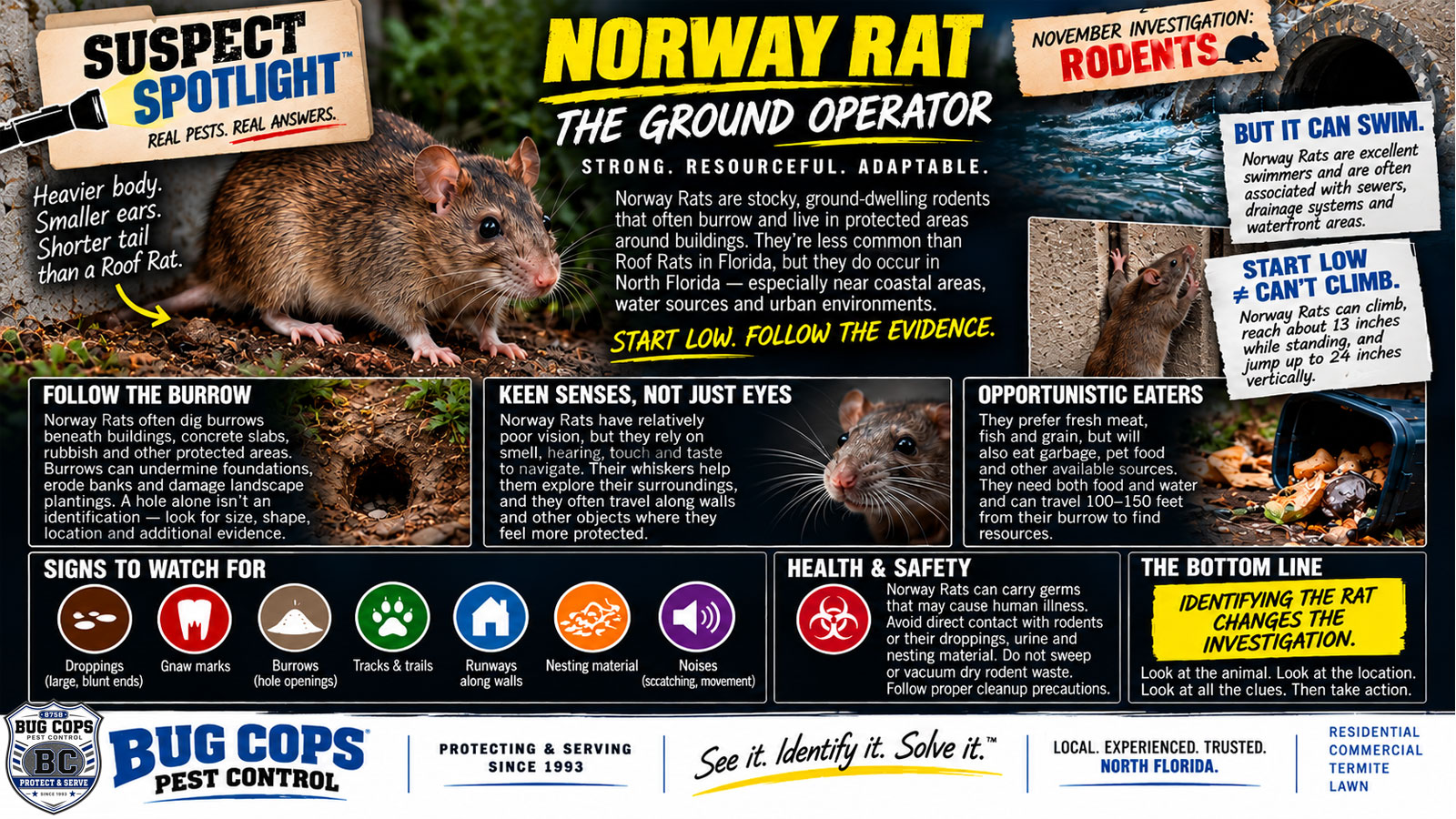
Suspect Spotlight™: Norway Rats in North Florida
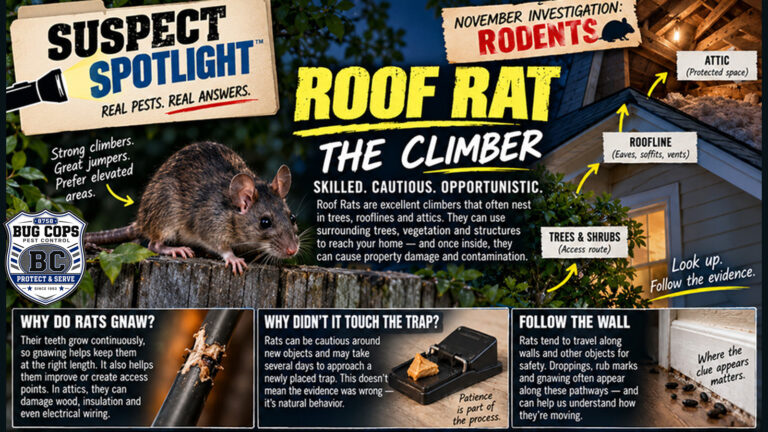
Last week’s suspect had us looking toward trees, rooflines, and attics. This week, we’re changing direction. We’re investigating Norway Rats, the ground operators of the rodent world.
Meet the Norway Rat (Rattus norvegicus). This stocky rodent is known for digging burrows and staying close to the ground.
But here’s an important clue. Not every large rat in Florida is a Norway Rat.
Roof Rats are more common in Florida. Norway Rats live here too, but they’re less common. They’re often found near coastal areas and waterways.
So, how can you tell which rat you’re dealing with? Let’s follow the evidence.
The Suspect Profile: Norway Rats
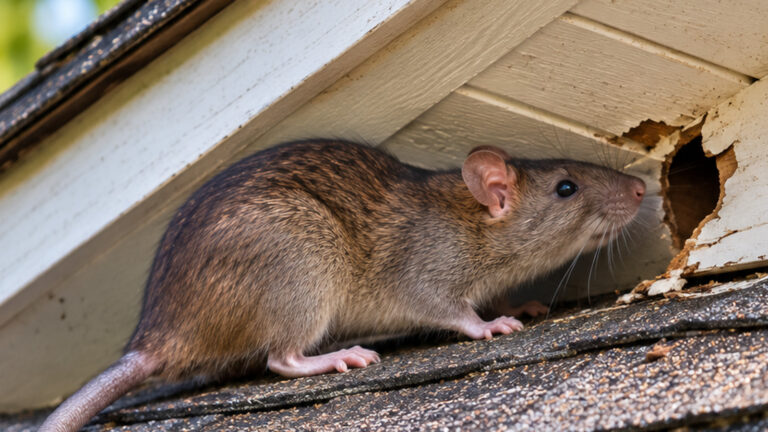
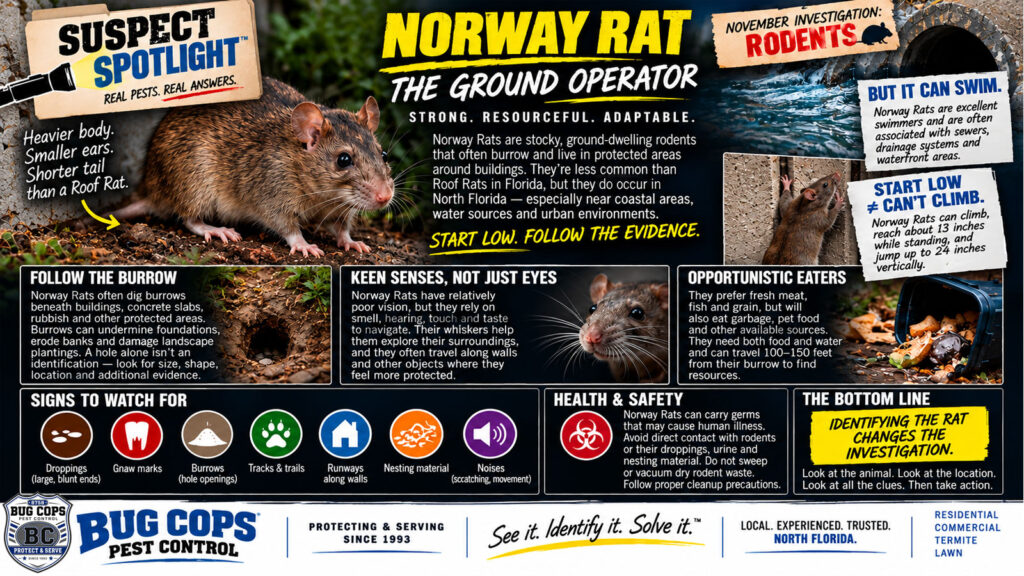
The Norway Rat (Rattus norvegicus) is a stocky, heavy-bodied rodent. Compared with the Roof Rat, it has smaller ears, a blunter nose, and a shorter tail.
Norway Rats prefer protected areas close to the ground. They often dig burrows along foundations, beneath concrete slabs, and near piles of debris. These hiding places provide shelter and easy access to food and water.
Although Norway Rats are less common than Roof Rats in Florida, they can still be found in North Florida. They’re often associated with coastal areas, waterways, and places with suitable food and shelter.
The key clue? Look for a heavy-bodied rat and signs of activity near the ground. But remember, one clue alone isn’t enough to identify the suspect.
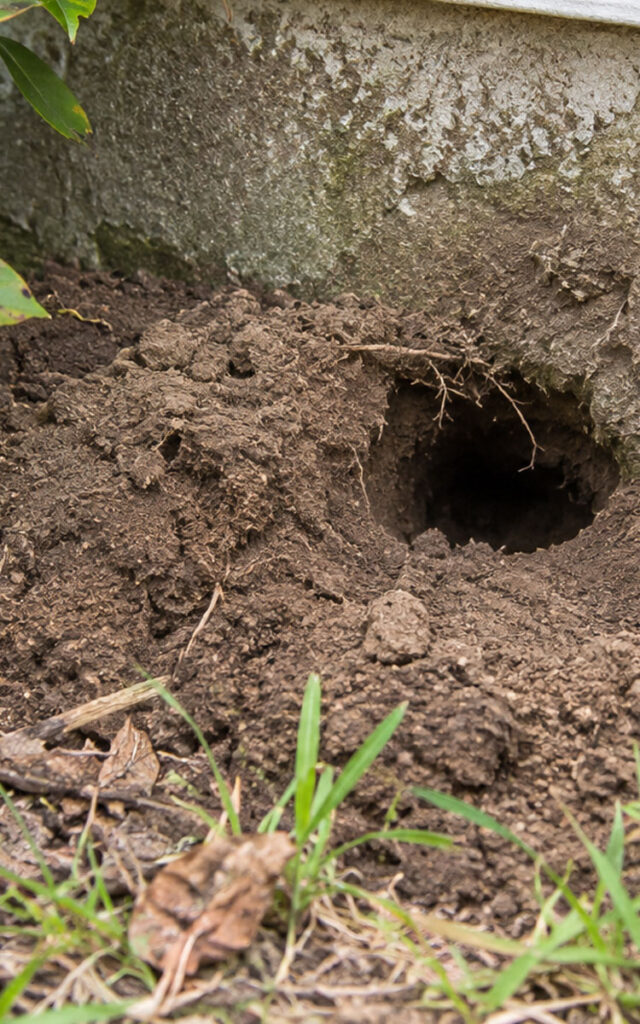
Follow the Burrow
A hole beside your home’s foundation might catch your attention. Could it be a Norway Rat burrow? Possibly, but other animals dig holes, too.
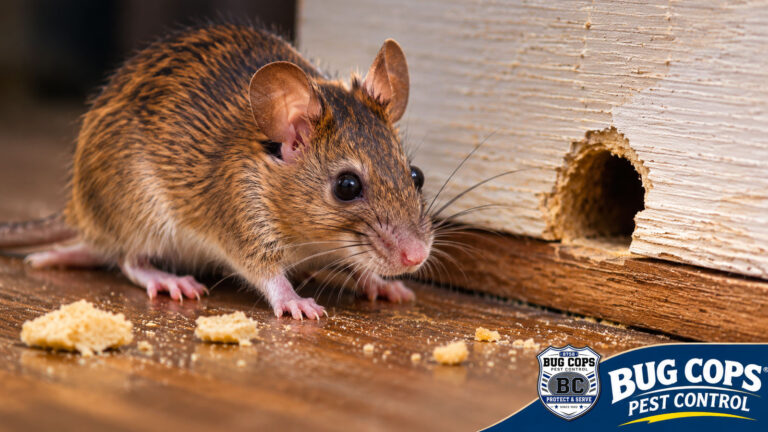
Norway Rats often dig beneath concrete slabs, along foundations, and near protected areas. Their burrow openings are commonly around three inches wide.
Look for freshly disturbed soil, droppings, gnaw marks, or worn paths nearby. These clues can help determine whether rodents are using the area.
Remember, a hole isn’t an identification. One clue raises a question. Several clues help build the case.
The Ground Operator Can Swim, Too!
Norway Rats aren’t just strong burrowers. They’re also excellent swimmers!
They’re sometimes called Brown Rats, Sewer Rats, or Wharf Rats. These names reflect their connection to waterways, drainage systems, and other areas near water.
Norway Rats can swim through water and move through wet environments in search of food and shelter. This ability helps them survive in places where other animals might struggle.
But finding a Norway Rat near your home doesn’t mean it came through the sewer. It may have traveled from a nearby burrow or another protected area.
The important clue? A rat’s nickname doesn’t tell us how it reached your property. We still need to follow the evidence.
Start Low Doesn’t Mean It Can’t Climb
We’ve given our two November suspects different nicknames. The Roof Rat is our climber, while the Norway Rat is our ground operator.
But that doesn’t mean Norway Rats can’t climb. They can! They simply spend more time around ground-level areas, where they often dig burrows and find shelter.
Roof Rats are more comfortable in elevated places, including trees, rooflines, and attics. Norway Rats are more closely associated with foundations, burrows, and protected areas near the ground.
These differences help us begin an investigation, but they aren’t absolute rules. Finding a rat above ground doesn’t automatically make it a Roof Rat.
The lesson? Start with the usual behavior, but follow the evidence wherever it leads.
The Evidence Board — Signs of Norway Rats
Now that we’ve met our Ground Operator, it’s time to examine the evidence. Norway Rats often leave clues behind, even when the animals themselves stay hidden. Knowing what to look for can help homeowners recognize possible rodent activity.
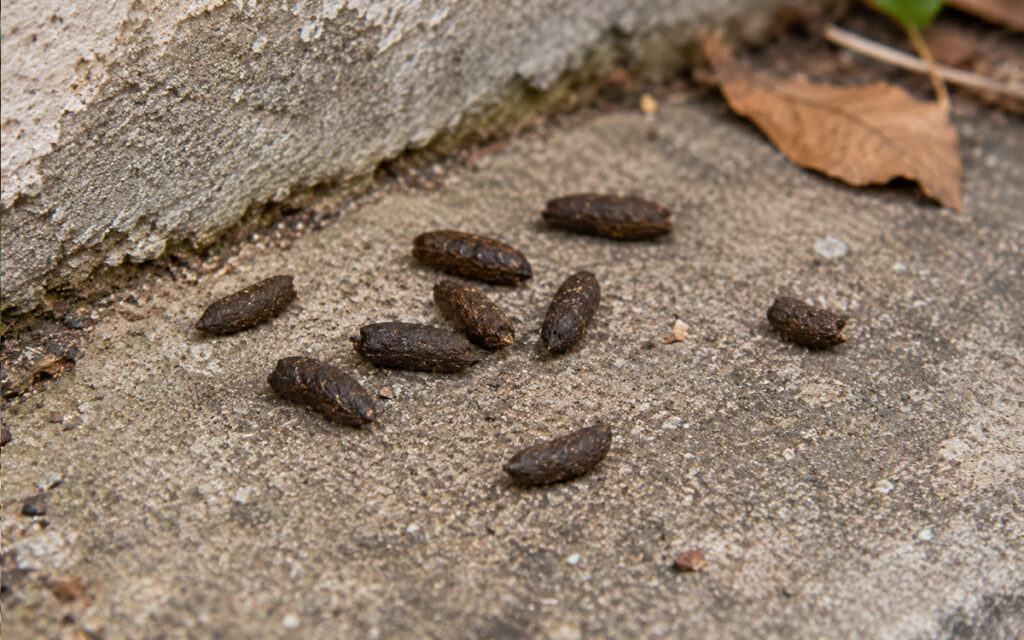
Droppings
Norway Rat droppings are typically blunt-ended and larger than mouse droppings. Look for them along walls, near food sources, and in protected areas.
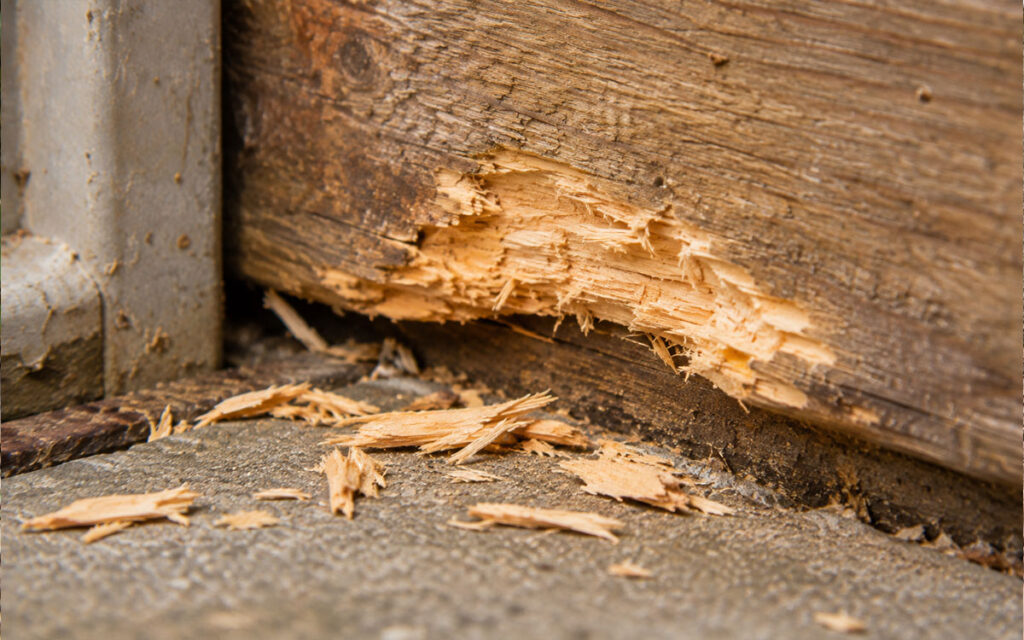
Gnaw Marks
Rats gnaw on wood, packaging, and other materials. Fresh chew marks around openings or stored items may indicate recent activity.
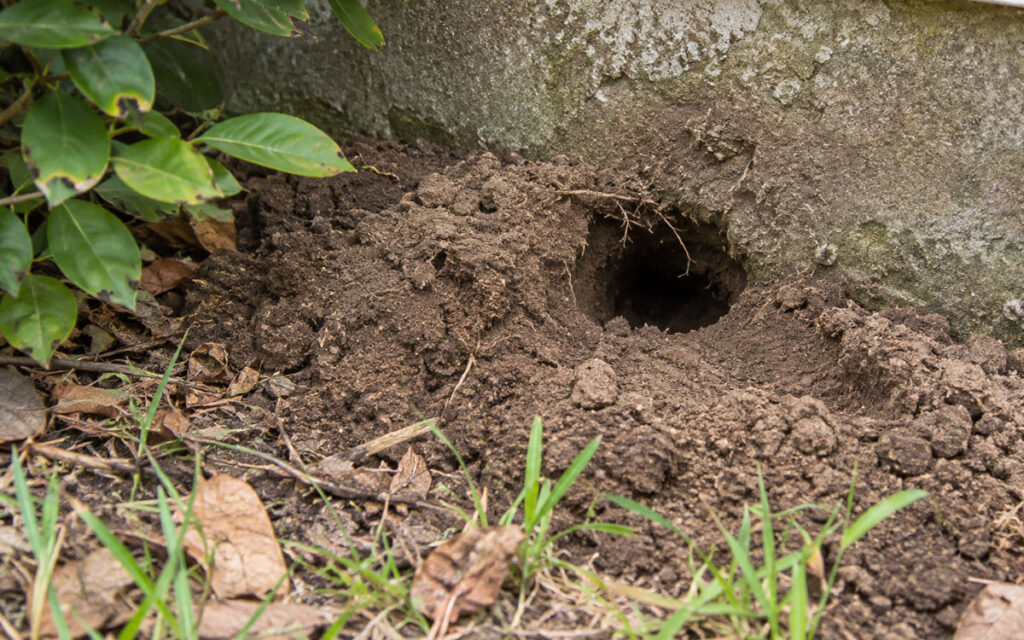
Burrows
Norway Rats often dig burrows near foundations, beneath concrete slabs, and around protected areas. Fresh soil near an opening may suggest activity.
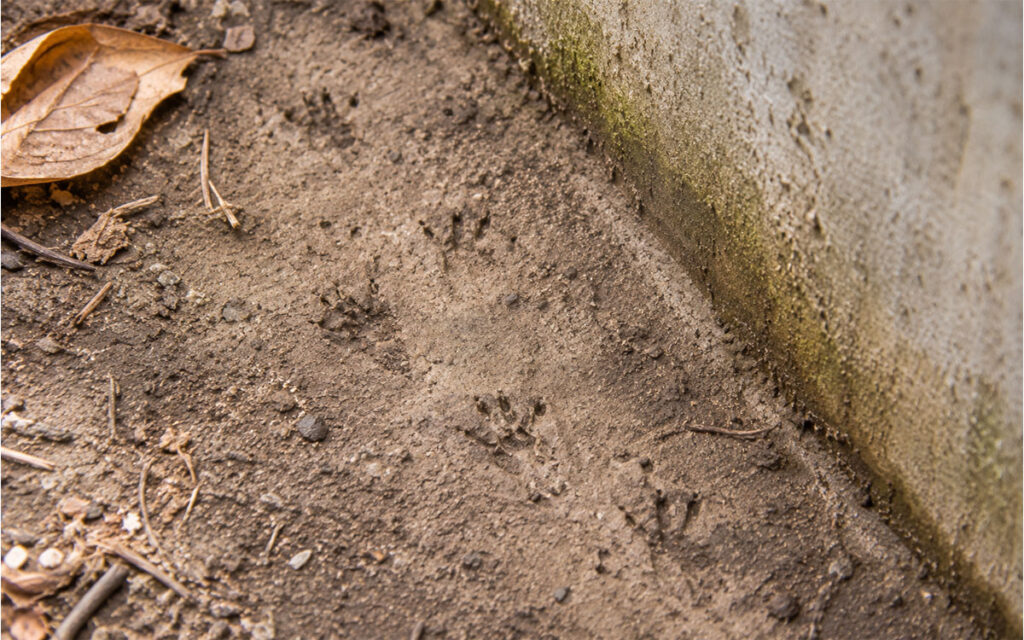
Tracks & Runways
Rats often follow the same paths along walls, fences, and other edges. Look for footprints, worn trails, or signs of repeated movement.
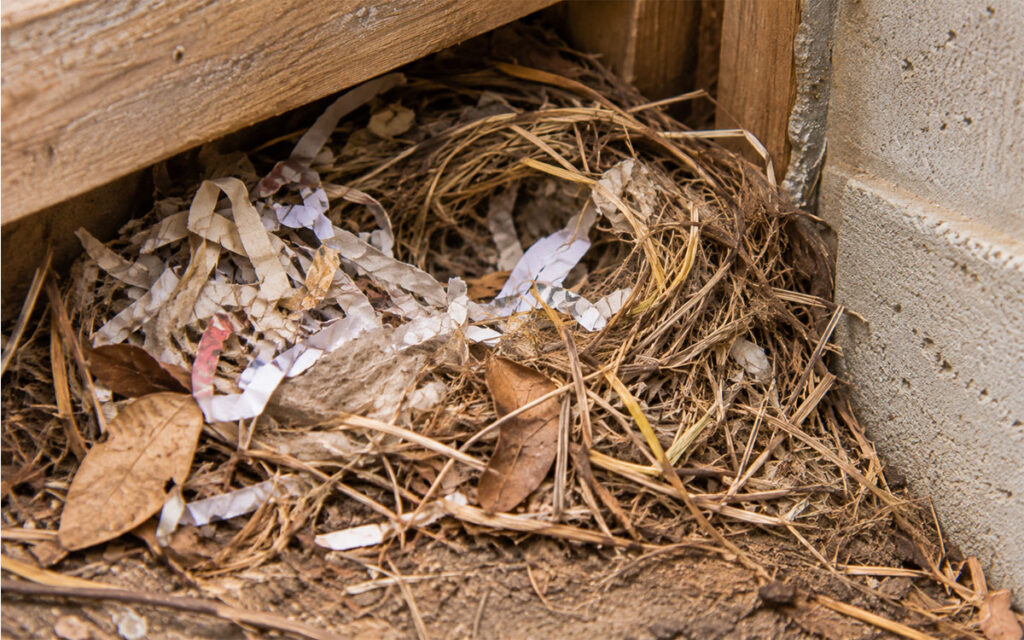
Nesting Material
Shredded paper, fabric, and dried plant material may be used for nesting. Finding these materials in sheltered spaces could indicate rodent activity.
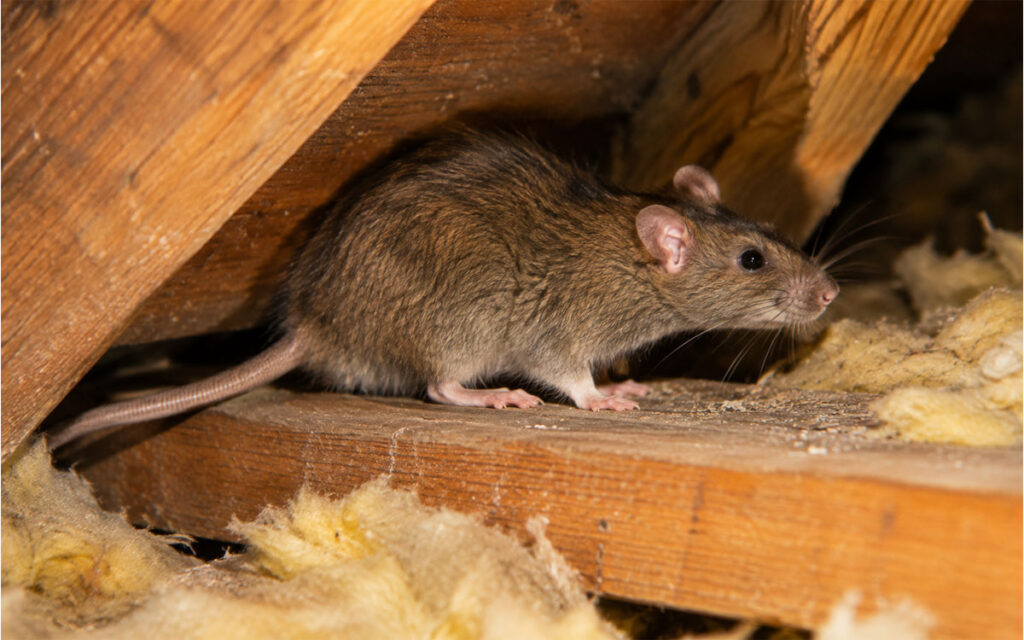
Scratching Noises
Scratching or movement sounds inside walls, floors, or other hidden spaces may indicate rodents. Sounds alone cannot identify the species.
Finding one of these signs doesn’t automatically confirm a Norway Rat. Mice, Roof Rats, and other animals can leave similar evidence.
Look at the size, location, and condition of each clue. Several signs found together can tell us much more than one clue alone.
Remember: The evidence tells the story. Our job is to connect the clues.
A Rat Doesn’t Need Great Eyesight
Norway Rats don’t rely on their eyesight the way humans do. Instead, they use their senses of smell, hearing, and touch to explore their surroundings.
Their whiskers play an important role, too. They help rats detect nearby objects and navigate tight spaces, especially in the dark.
This helps explain why rats often travel along walls, fences, and other protected edges. These routes allow them to move while staying close to cover.
If you find droppings, gnaw marks, or worn paths along a wall, you may have discovered a regular travel route.
The clue? Follow the edges. They may reveal where rodents are moving, even when you never see the animals themselves.
How Far Can the Evidence Spread?
Finding rat droppings in one area doesn’t necessarily mean the animal lives there. Rats may travel away from their shelter to search for food and water.
For example, a Norway Rat might shelter beneath a concrete slab but visit a trash area elsewhere on the property. The evidence could appear in several locations.
That’s why it’s important to look beyond a single clue. Droppings, gnaw marks, and worn paths may help reveal how rodents move between food sources and shelter.
The bigger picture matters. Where you find the evidence may not be where the problem started.
What’s on the Menu?
Norway Rats aren’t picky eaters. They’ll feed on grains, pet food, garbage, and other food they can find around a property.
Like other rodents, they need food, water, and shelter to survive. Easy access to these resources can make a property more attractive.
Look for pet food left outdoors, unsecured garbage, and spilled birdseed. These may provide an easy meal.
The clue? Removing food sources and reducing shelter can help make your property less inviting to rodents.
Why Didn’t the Rat Touch the Trap?
You placed a trap where rats may be traveling. The next morning, nothing!
Does that mean there aren’t any rats? Not necessarily.
Rats can be cautious around unfamiliar objects. Some may avoid a newly placed trap for several days.
This natural behavior is one reason rodent control takes patience and planning.
The clue? An untouched trap after one night doesn’t mean the problem is gone.
How Quickly Can Activity Grow?
Norway Rats can reproduce quickly when food, water, and shelter are readily available. Under favorable conditions, a small rodent problem can become a much larger one.
But that doesn’t mean every rat sighting will lead to an infestation. Population growth depends on available resources, survival, and other conditions.
The important thing is to watch for repeated activity. Fresh droppings, new gnaw marks, and continued sightings may indicate that rodents are becoming established.
The clue? Don’t ignore ongoing evidence. Investigating early can help prevent a small problem from becoming harder to control.
What About Health Concerns?
Rodents can carry germs that may cause illness. People can be exposed through bites, direct contact, or contaminated droppings, urine, and nesting materials.
Some rodents also carry fleas, ticks, or mites. These pests may create additional health concerns.
But you can’t tell whether a rat is carrying a disease just by looking at it. Even a healthy-looking animal may pose a risk.
The clue? Treat rodent activity and contaminated areas with caution, regardless of how the animal looks.
Don’t Sweep Away the Evidence
Found rodent droppings or nesting material? Don’t reach for the broom or vacuum cleaner!
Dry sweeping and vacuuming can stir contaminated particles into the air. This may increase the risk of exposure.
The CDC recommends wearing gloves and thoroughly wetting contaminated material with an appropriate disinfectant before wiping it up.
We’ll cover safe cleanup in more detail during our November 23 rodent investigation.
The clue? Document safely. Don’t stir up dry rodent waste.
Removing the Rat Isn’t the Whole Solution
Suppose a Norway Rat is removed from your property. Does that mean the problem is solved?
Not necessarily. We still need to understand what attracted the rat in the first place.
Was food readily available? Was there a protected burrow nearby? Could other rodents enter through openings around the structure?
Removing one rat doesn’t eliminate the conditions that brought it there. Food, water, shelter, and entry points all deserve attention.
The clue? Effective rodent control means addressing both the animals and the conditions that allow them to thrive.
Case File Summary: Norway Rats
The Norway Rat has earned its nickname: The Ground Operator.
It’s stockier than a Roof Rat, with smaller ears and a shorter tail. It’s a strong burrower, an excellent swimmer, and usually stays closer to the ground.
But Norway Rats can climb, too. And because they’re less common than Roof Rats in Florida, finding a large rat doesn’t automatically identify the species.
Look at the animal, its surroundings, and the signs it leaves behind. Burrows, droppings, gnaw marks, and travel routes can all help build the case.
The takeaway? Start low, but follow the evidence wherever it leads.
Precinct Note: Start low—but follow the evidence wherever it leads. A single clue may raise suspicion, but several clues help tell the whole story.
Found Ground-Level Rodent Evidence?
Have you noticed burrows, droppings, or gnaw marks around your property? These signs may indicate rodent activity, but they don’t always tell you which species is responsible.
Visit our Rat Identification Guide to compare Norway Rats and Roof Rats. You’ll learn how to recognize their differences and where to look for signs of activity.
If rodent evidence keeps appearing around your home or business, Bug Cops can help investigate the problem. We proudly serve homeowners and businesses throughout Clay and Putnam Counties, Florida.
Request a Free Inspection
Seeing signs of rodent activity? Let Bug Cops help investigate.
Call Bug Cops
Have questions about possible rodent activity? Give our team a call.
See it. Identify it. Solve it.™
Protecting what matters most.