Ornamental Care Services in Clay & Putnam Counties
Bug Cops provides professional ornamental care services throughout Clay and Putnam Counties, Florida. Shrubs, flowering plants, and landscape ornamentals face challenges from damaging insects, disease, nutrient deficiencies, and environmental stress. Our approach begins with evaluating plant health, identifying visible symptoms, and understanding the conditions affecting your landscape.
North Florida’s heat, humidity, seasonal rainfall, and changing pest activity can influence how ornamental plants grow and respond throughout the year. Yellowing leaves, spotting, insect damage, and declining growth may have several possible causes. That’s why Bug Cops considers plant conditions, pest activity, and surrounding environmental factors before recommending appropriate treatments.
More Than Just Beautiful Landscaping
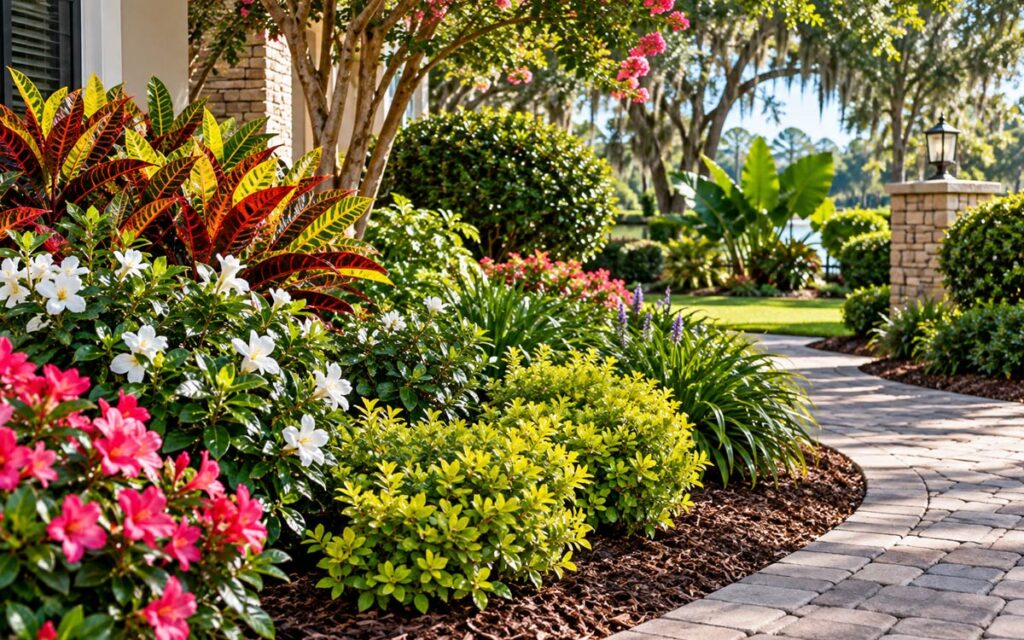
Healthy ornamental plants require more than occasional fertilization or treatment for visible pests. Insects, plant diseases, nutrient deficiencies, improper watering, soil conditions, and environmental stress can produce similar symptoms. As a result, identifying the underlying cause is an important part of protecting plant health.
Bug Cops approaches ornamental care by evaluating the plant, examining signs of damage, and considering surrounding growing conditions. Rather than treating every yellow leaf or damaged shrub the same way, we recommend care based on what we find at the property.

Insect Management
Ornamental shrubs and flowering plants can attract damaging insects, including aphids, scale insects, whiteflies, and caterpillars. These pests may cause yellowing leaves, distorted growth, sticky residue, or visible feeding damage. We inspect affected plants, identify signs of pest activity, and recommend targeted treatments when appropriate.

Disease Management
Leaf spots, discoloration, wilting, and declining growth may indicate plant disease. However, similar symptoms can also result from irrigation problems, nutrient deficiencies, or environmental stress. Bug Cops evaluates visible symptoms and growing conditions before determining whether disease treatment is appropriate.

Fertilization & Micronutrients
Ornamental plants need appropriate nutrients to support healthy foliage, root development, flowering, and overall growth. Nutritional needs can vary by plant type, soil conditions, and season. Therefore, we consider plant health and visible signs of nutrient deficiencies when recommending fertilization or micronutrient treatments.

Plant Health Evaluation
A struggling ornamental plant does not always have an insect or disease problem. Too much water, poor drainage, excessive shade, soil conditions, and other environmental factors can affect plant health. We look at the entire growing environment to help identify contributing conditions before recommending appropriate care.
What Are Your Ornamental Plants Telling You?
Changes in leaves, stems, flowers, and overall plant growth can provide important clues about ornamental plant health. Yellowing, spotting, distorted foliage, visible insects, or declining growth may have several possible causes. By examining the pattern of damage and surrounding growing conditions, Bug Cops can help narrow down what may be affecting your landscape plants.
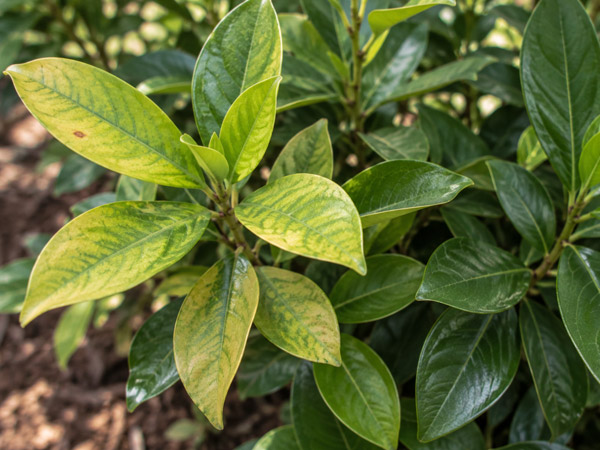
Yellowing or Discolored Leaves
Yellowing foliage may be associated with nutrient deficiencies, moisture problems, insect feeding, disease, or environmental stress.
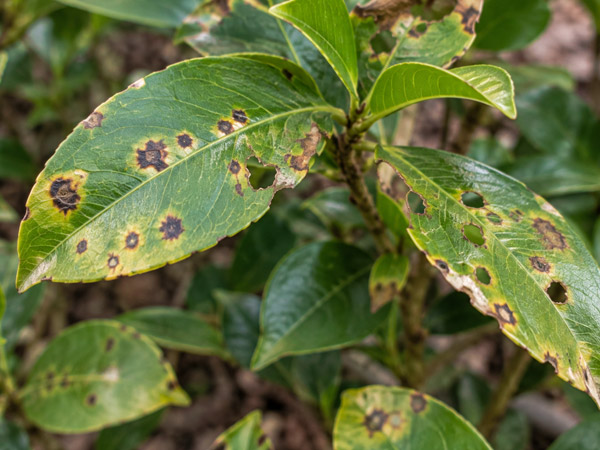
Spots or Damaged Foliage
Brown spots, holes, and damaged leaf edges can provide clues about insect feeding, plant disease, or other growing conditions.
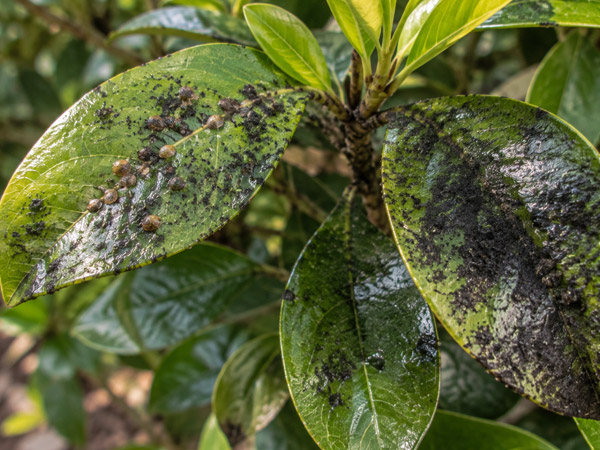
Sticky Leaves or Black Residue
Sticky honeydew and black sooty mold may indicate activity from sap-feeding insects such as aphids, whiteflies, or scale insects.
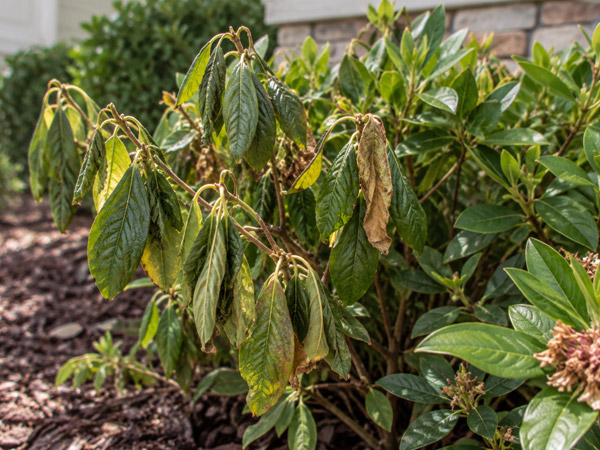
Wilting or Drooping Growth
Wilting may result from insufficient moisture, saturated soil, root problems, disease, or environmental stress.
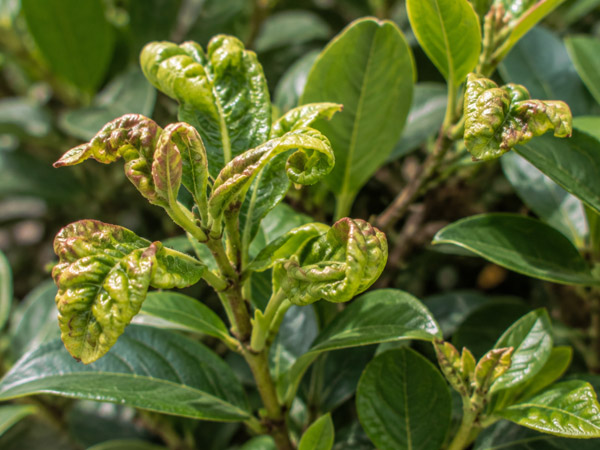
Distorted or Curling Leaves
Twisted, curled, or unusually shaped new growth may indicate insect feeding, environmental injury, or other plant health concerns.
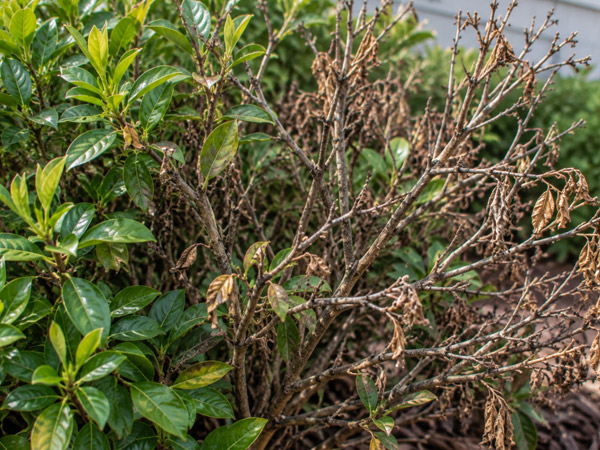
Declining Growth or Dieback
Sparse foliage, dead branches, and reduced flowering may indicate root stress, pest activity, nutrient problems, or unfavorable growing conditions.
Not Sure What’s Affecting Your Ornamental Plants?
Ornamental plant problems can look similar at first glance. Insects, disease, nutrient deficiencies, and environmental stress may produce overlapping symptoms. Identifying the pest and examining the pattern of damage can help determine what may be affecting your shrubs and flowering plants.
Ornamental Insect Activity
Aphids, whiteflies, scale insects, and caterpillars can affect ornamental foliage and growth. Look for visible insects, sticky residue, distorted leaves, or feeding damage. Because symptoms can overlap, identifying the pest helps determine whether treatment may be appropriate.
Plant Health & Growing Conditions
Yellowing, spotting, wilting, and declining growth may involve moisture, drainage, nutrition, disease, or environmental stress. Therefore, understanding the plant’s growing conditions is just as important as examining visible symptoms.

Inspection Note: We look beyond visible leaf damage. Insect activity, plant symptoms, soil moisture, drainage, and surrounding conditions help us determine what may be affecting ornamental plants before recommending treatment.
Similar Symptoms, Different Causes
A yellow leaf, wilting shrub, or declining flowering plant does not automatically mean insects or disease are responsible. For example, excessive moisture, poor drainage, nutrient deficiencies, and environmental stress can produce symptoms similar to pest damage. Therefore, understanding the cause is essential before choosing a treatment.
Bug Cops examines visible damage, insect activity, plant growth, and surrounding conditions to help distinguish between potential causes. In some cases, targeted pest or disease treatments may be appropriate. However, when irrigation, drainage, or other growing conditions contribute to the problem, correcting those conditions may be just as important as treatment.
The goal isn’t simply to make an application. It’s to make an informed decision about the landscape plants first.
Ornamental Care in North Florida
North Florida’s climate presents unique challenges for ornamental plants. Heat, humidity, heavy rainfall, occasional drought, and sandy soils can influence plant growth and overall health. In addition, seasonal changes in insect activity and disease pressure may affect shrubs, flowering plants, and other landscape ornamentals throughout the year.
Ornamental plants do not have the same needs throughout every season. For example, periods of heavy rainfall may contribute to saturated soil and root stress, while extended dry conditions can affect moisture availability and plant growth. As a result, plant health evaluations should consider both current symptoms and recent environmental conditions.
Bug Cops provides ornamental care services throughout Clay and Putnam Counties, Florida. Our approach considers local growing conditions, plant health, and seasonal pest activity when determining appropriate care for residential landscapes.
For additional information about maintaining healthy Florida lawns, explore the University of Florida’s Florida-Friendly Landscaping Program

Protection Note: Healthy ornamental plants require more than treating visible symptoms. Proper identification, seasonal awareness, and attention to growing conditions help guide responsible treatment decisions and ongoing plant care.
Bug Cops in the Field
Ornamental care begins with understanding the plants and conditions at each property. During service visits, Bug Cops evaluates visible plant symptoms, insect activity, and surrounding growing conditions. As a result, our recommendations reflect what we observe rather than relying on the same treatment approach for every landscape.
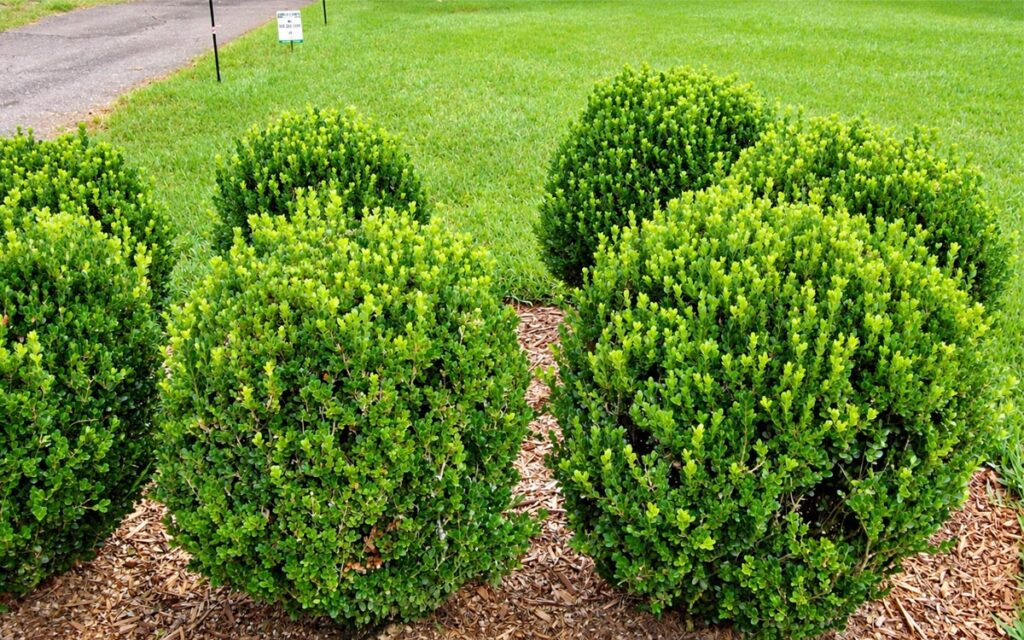
Inspecting Ornamental Plants
Healthy landscape care starts with observation. We examine foliage, stems, and visible damage for clues that may help identify insect activity, disease concerns, or environmental stress. In addition, we look for changes in leaf color, unusual growth patterns, and other signs that may indicate a developing plant health problem.
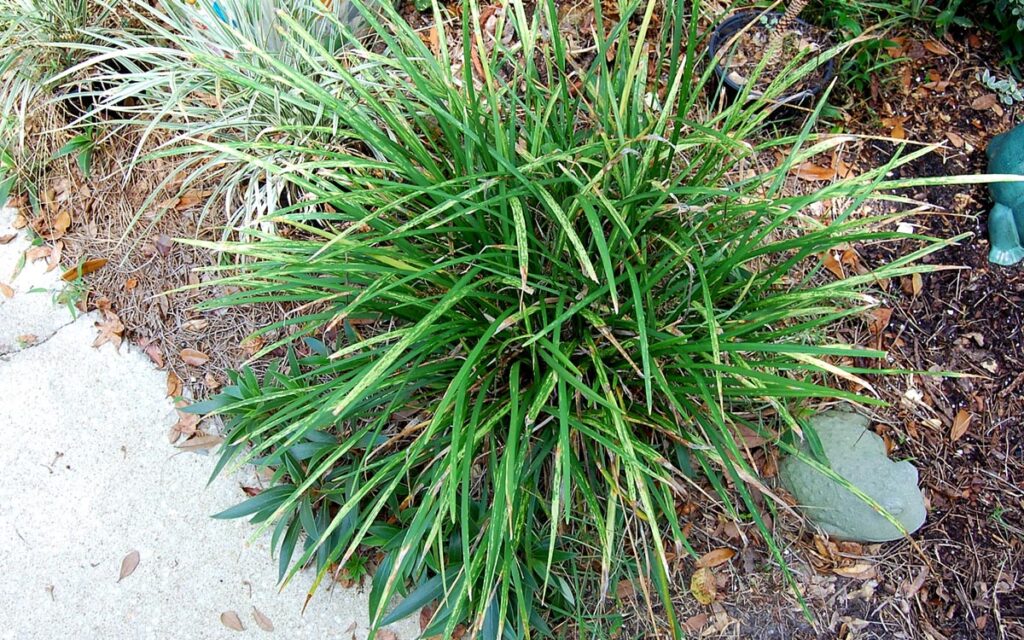
Evaluating Plant Health
Yellowing leaves, spotting, and declining growth may have different causes. Therefore, we consider plant condition, moisture, drainage, and surrounding factors before recommending appropriate care. We also examine whether symptoms affect the entire plant or only certain areas, since the pattern of damage can provide valuable clues.
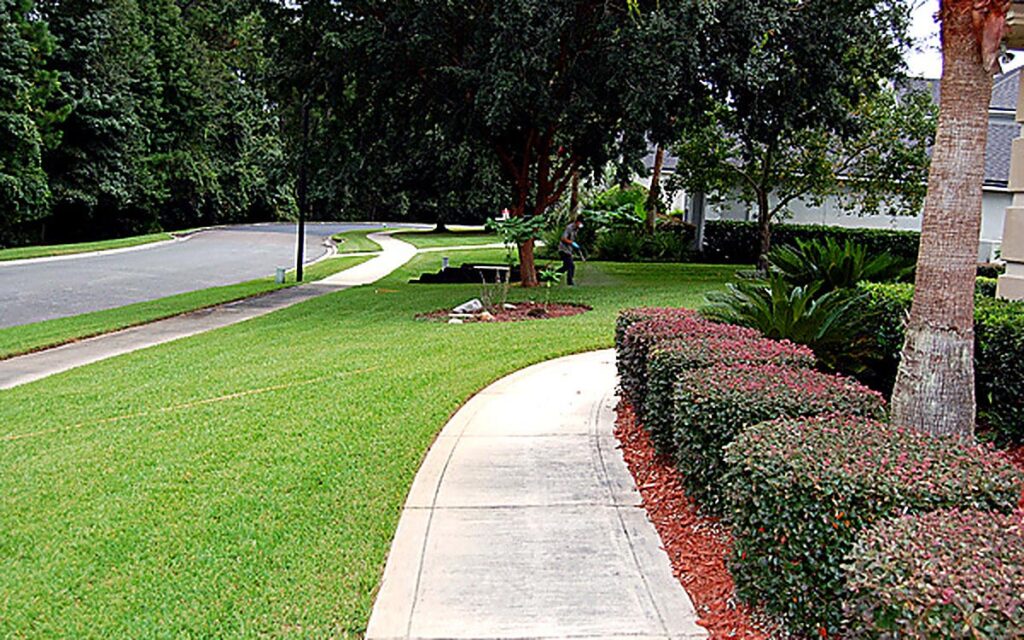
Caring for North Florida Landscapes
North Florida landscapes include ornamental shrubs, flowering plants, and established planting beds with different growing conditions. In addition, seasonal weather, sunlight, moisture, and pest activity can influence plant health. We consider these factors when evaluating ornamental care needs.
Ornamental Care Services FAQs
Ornamental care depends on the types of plants, their growing conditions, seasonal changes, and pest activity. Some properties benefit from ongoing care, while others may need targeted treatments based on inspection findings. Bug Cops evaluates these factors when recommending an appropriate service program.
Yellowing leaves can result from several conditions, including nutrient deficiencies, insect feeding, excess moisture, poor drainage, disease, or environmental stress. Because these problems can look similar, Bug Cops examines the plant and surrounding conditions before recommending treatment.
Yes. Bug Cops provides ornamental insect management for pests such as aphids, whiteflies, scale insects, and certain caterpillars. We inspect affected plants, identify signs of pest activity, and determine whether targeted treatment is appropriate for the plant and pest involved.
Yes. Bug Cops provides fertilization and micronutrient treatments for ornamental plants based on their nutritional needs and growing conditions. We consider plant health, visible symptoms, and seasonal factors when recommending an appropriate treatment program.
No. Bug Cops specializes in ornamental plant inspections and treatment services rather than pruning, landscape installation, general landscape maintenance, or irrigation repairs. However, if we observe conditions such as poor drainage or improper watering that may affect plant health, we can bring those concerns to the property owner’s attention.
Something Doesn’t Look Right in Your Ornamental Plants?
Yellowing leaves, damaged shrubs, insect activity, unusual spotting, or declining growth can have several different causes. Understanding what’s affecting your ornamental plants is the first step toward determining appropriate care.
Let Bug Cops take a closer look.
Healthy ornamental plants begin with understanding what they need. Bug Cops Pest Control provides specialized ornamental care services throughout Clay and Putnam Counties, Florida. From insect and disease management to fertilization and micronutrient treatments, our recommendations are based on the conditions we find at your property.