Cycad Care Services in Clay & Putnam Counties
Bug Cops provides professional cycad care services throughout Clay and Putnam Counties, Florida. Cycads, including plants commonly called sago palms, can be affected by damaging insects, nutritional deficiencies, diseases, and environmental stress. Our approach begins with evaluating visible symptoms, identifying potential pest activity, and understanding the conditions affecting each plant’s health.
North Florida cycads can experience scale insect infestations, yellowing or declining fronds, damaged new growth, and other plant health concerns. Because these symptoms may have several different causes, proper evaluation is important before recommending treatment. Bug Cops considers the cycad species, visible damage, pest activity, and growing conditions when developing an appropriate care plan.
Locally Owned • Family Operated • Serving Clay & Putnam Counties
Understanding Cycad Health in North Florida
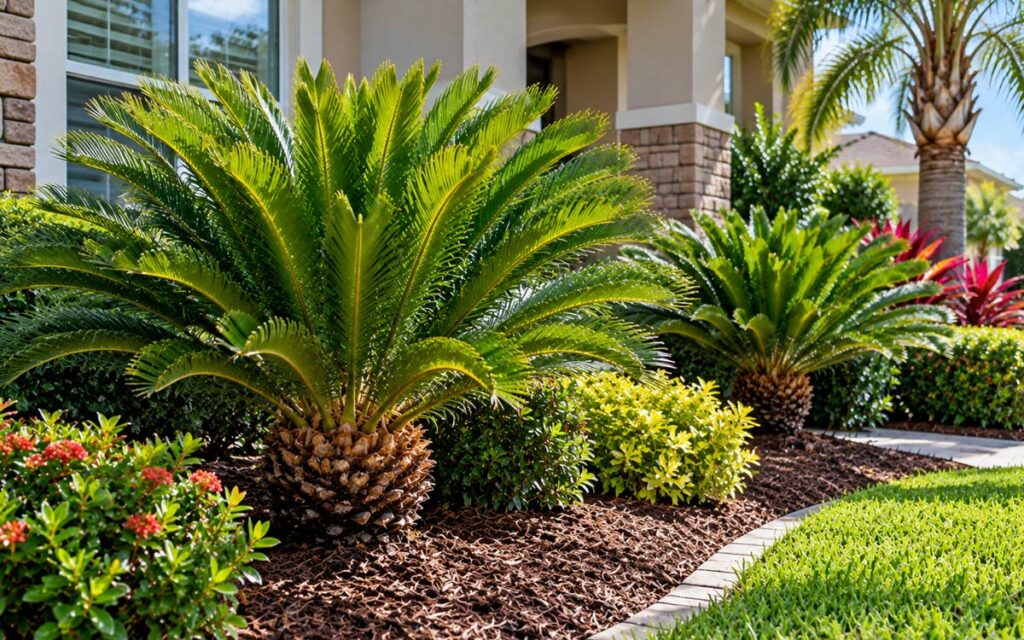
Cycads, including plants commonly called sago palms, can develop similar symptoms from different problems. Scale insects, nutritional deficiencies, diseases, improper watering, and environmental stress may contribute to yellowing fronds, damaged foliage, or declining growth.
Bug Cops evaluates visible symptoms, pest activity, and growing conditions before recommending cycad care services. Because different problems require different approaches, our goal is to identify likely causes and develop an appropriate care plan for each property.

Cycad Nutrition & Fertilization
Cycads have nutritional requirements that differ from turfgrass and many landscape plants. Bug Cops evaluates visible deficiency symptoms and growing conditions before recommending appropriate fertilization and micronutrient treatments.

Cycad Insect Management
Cycad aulacaspis scale is a serious pest of sago palms in Florida. These small insects can cover fronds and other plant surfaces, causing yellowing, damage, and decline. Bug Cops examines pest activity before recommending appropriate control measures.

Cycad Disease Evaluation
Yellowing, spotting, and declining fronds may result from disease, nutritional problems, or environmental stress. Bug Cops evaluates visible symptoms and recommends appropriate next steps, including additional diagnosis when needed.

Cycad Health & Growing Conditions
Drainage, irrigation, soil conditions, and environmental stress can influence cycad health. Bug Cops considers these factors when evaluating declining plants and recommending practical care measures for the property.
Signs Your Cycad May Need Attention
Cycads, including sago palms, may show visible signs when pests, nutritional deficiencies, diseases, or environmental conditions affect their health. Yellowing foliage, scale insects, damaged new growth, and declining fronds can have several possible causes. Recognizing these symptoms helps determine when a professional evaluation may be needed.
Yellowing or Discolored Fronds
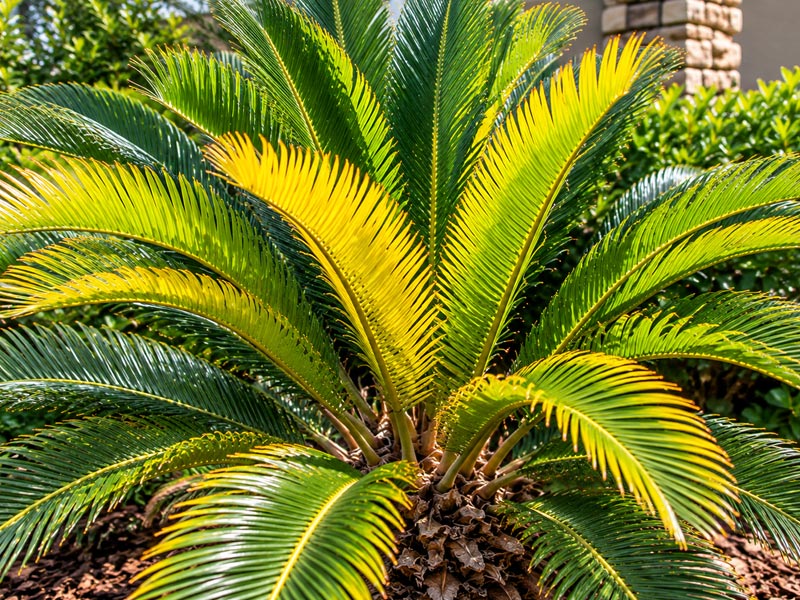
Yellowing or uneven discoloration on cycad fronds may indicate nutritional deficiencies, insect damage, or environmental stress. The location and pattern of discoloration can provide important clues about the underlying problem.
Brown or Dying Fronds
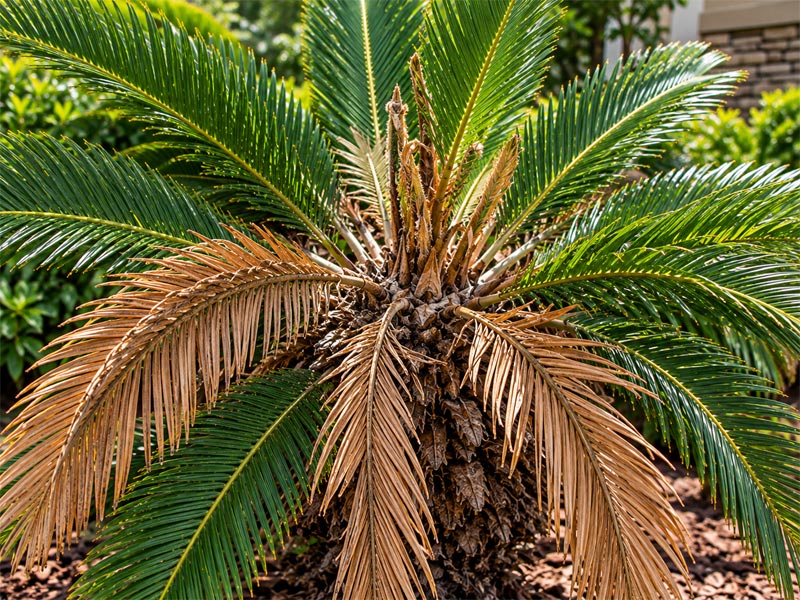
Brown, dry, or declining cycad fronds may result from pest damage, moisture problems, disease, or natural aging. The number of affected fronds and how quickly symptoms develop can help guide further evaluation.
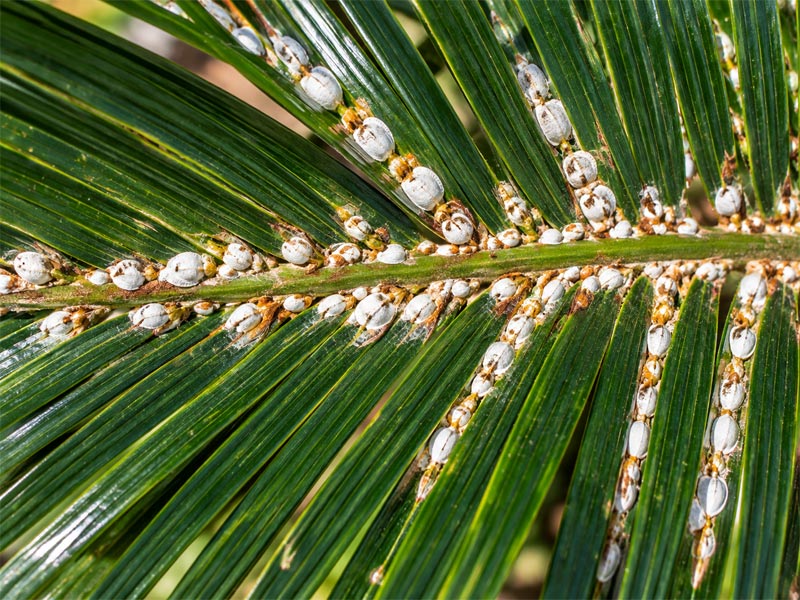
Cycad Aulacaspis Scale Activity
Cycad aulacaspis scale can form white, crusty deposits on fronds and stems. Heavy infestations may cause yellowing, browning, and plant decline. However, scale coverings can remain after insects die, so examination is needed to confirm active infestation.
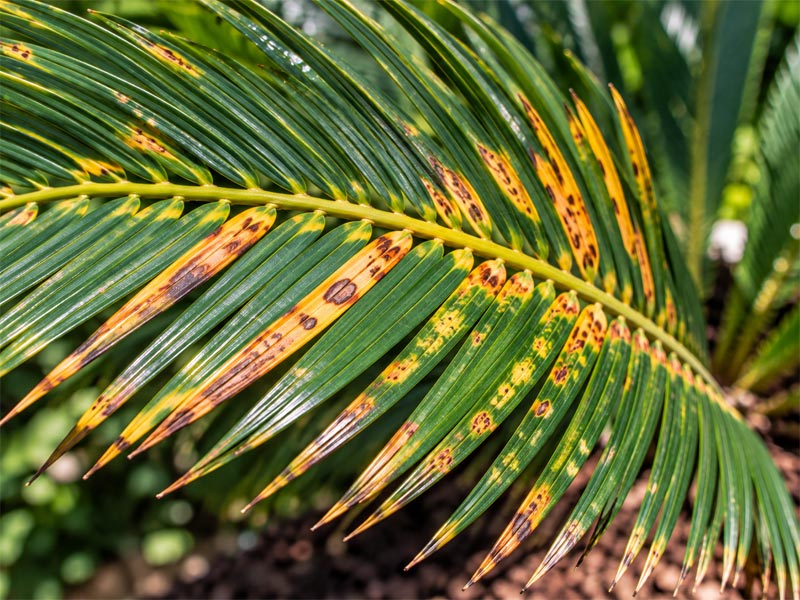
Spots or Damage on Fronds
Dark spots, damaged leaflets, or unusual markings on cycad fronds may result from disease, insect feeding, or environmental injury. Examining the appearance and distribution of damage helps determine whether further investigation is needed.
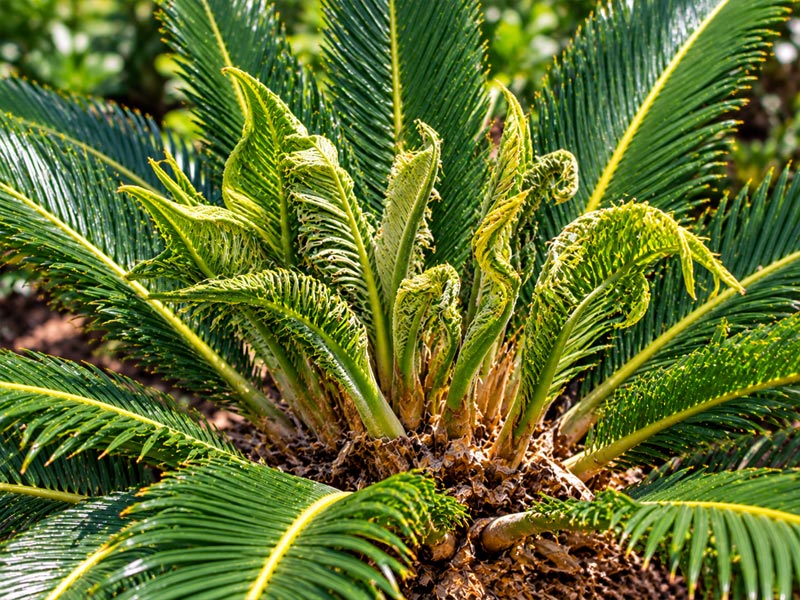
Distorted or Damaged New Growth
New cycad fronds may emerge distorted, discolored, or damaged when pests, nutritional deficiencies, or environmental stress affect developing foliage. Unusual new growth deserves attention because it may reveal an ongoing plant health problem.
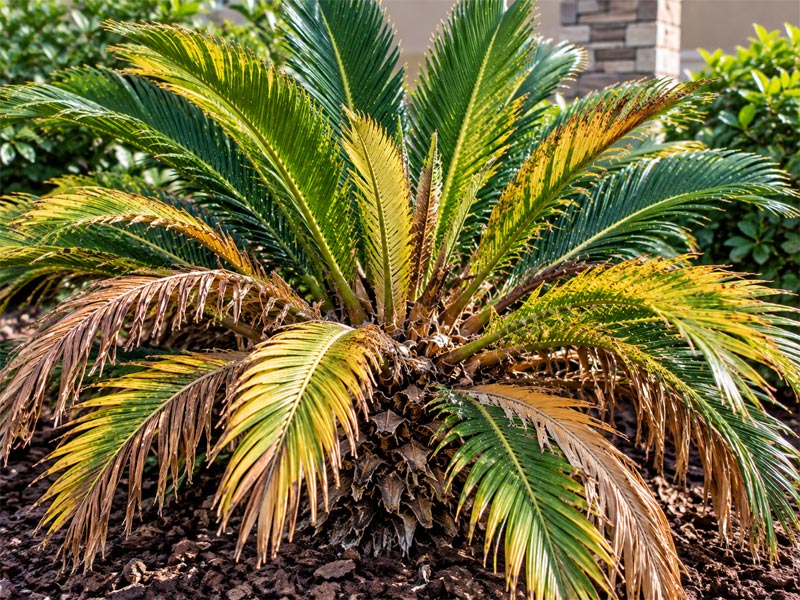
Overall Cycad Decline
Widespread yellowing, thinning foliage, or declining growth may indicate several underlying problems. Bug Cops considers visible symptoms, pest activity, and growing conditions before recommending appropriate cycad care measures.
Safety Note — Sago Palms & Pets: Sago palms and other cycads are highly toxic to dogs, cats, and other pets if eaten. All parts of the plant are poisonous, especially the seeds. Ingestion can cause severe illness, including liver failure, and may be fatal. Keep pets away from cycads. If you suspect your pet has eaten any part of the plant, contact a veterinarian or emergency animal hospital immediately. Do not wait for symptoms.
Understanding Cycad Health Problems
Cycad health problems are not always easy to identify. Scale insects, nutritional deficiencies, diseases, and environmental stress can produce similar symptoms. Understanding these differences helps homeowners recognize when a professional evaluation may be needed.
Cycad Nutrition & Growing Conditions
Yellowing fronds, unusual discoloration, and declining growth may be associated with nutrient deficiencies, irrigation problems, poor drainage, or environmental stress. The cycad species, affected fronds, and surrounding conditions provide important clues when evaluating these symptoms.
Cycad Insect & Disease Concerns
Cycad aulacaspis scale and other pests can seriously affect plant health. However, insect damage may resemble nutritional deficiencies or environmental stress. Proper evaluation helps determine whether pest management, additional diagnosis, or other corrective measures are appropriate.

Inspection Note: A yellow or brown cycad frond does not automatically indicate disease. Bug Cops considers the cycad species, symptom patterns, pest activity, and growing conditions before recommending an appropriate care approach. Some problems may require further diagnostic testing.
Cycad Problems: Yellow Fronds Aren’t a Diagnosis
Cycads can develop similar symptoms for very different reasons. Yellowing fronds, brown leaflets, unusual spotting, and declining growth may result from nutritional deficiencies, scale insects, disease, irrigation problems, or environmental stress.
Water and drainage matter, too. Excess moisture can contribute to root problems and declining cycad health, while prolonged drought may cause stress and discoloration. Soil conditions, irrigation practices, and recent weather can also influence how a cycad responds.
Rather than treating the visible symptom alone, Bug Cops evaluates the pattern of damage, which fronds are affected, the cycad species, growing conditions, and evidence of insect activity. These observations help determine whether nutritional treatment, pest management, or additional diagnosis may be appropriate.
The goal isn’t simply to make an application. It’s to understand what the cycad needs first.
Cycad Care Services FAQs
Yellowing fronds, white scale deposits, damaged new growth, or declining foliage may indicate that a cycad needs attention. However, similar symptoms can result from nutritional deficiencies, disease, or environmental stress. Bug Cops evaluates visible symptoms and growing conditions before recommending treatment.
Yellowing sago palm fronds may result from nutrient deficiencies, scale insects, moisture problems, or natural aging. The location of the affected fronds and the pattern of discoloration provide important clues. Proper evaluation helps determine whether treatment is needed.
White, crusty deposits on sago palm fronds and stems may indicate cycad aulacaspis scale, a serious insect pest in Florida. Heavy infestations can cause yellowing, browning, and plant decline. However, scale coverings may remain after the insects die. Proper identification and examination help determine whether active pest management is needed.
Yes. Bug Cops provides cycad fertilization, micronutrient treatments, and insect management based on plant conditions and identified pest activity. Our team evaluates visible symptoms and growing conditions before recommending an appropriate care program.
Yes. Sago palms and other cycads are highly toxic to dogs, cats, and other animals if eaten. All parts of the plant are poisonous, especially the seeds. Ingestion can cause severe illness, including liver failure, and may be fatal. If you suspect a pet has eaten any part of a cycad, contact a veterinarian or emergency animal hospital immediately. Do not wait for symptoms to appear.
Concerned About the Health of Your Cycads?
Noticing Changes in Your Cycads?
Yellowing fronds, white scale deposits, damaged new growth, or declining foliage can have several different causes. If you can safely photograph the affected cycad, send the image to Bug Cops. Our team can review what you’re seeing and help determine whether a closer inspection is needed.
Need Professional Cycad Care?
Healthy cycads begin with understanding their specific needs. Bug Cops evaluates visible symptoms, nutritional concerns, pest activity, and growing conditions before recommending appropriate cycad care services for properties throughout Clay and Putnam Counties.