
Wood-Destroying Beetle Identification Guide for Clay & Putnam Counties
This Wood-Destroying Beetle Identification Guide will help you recognize signs of beetle activity, understand the evidence they may leave behind, learn where damage may be found, and distinguish wood-destroying beetle evidence from other wood-destroying insects.
Wood-destroying beetles include several groups of beetles whose immature stages may develop within wood or wood products. Because much of their life cycle can occur hidden inside the wood, homeowners may discover exit holes, powder or frass, damaged wood, or other evidence before ever seeing an adult beetle.
One of the most important identification lessons is that a hole in wood does not identify the insect that made it. Exit-hole size and shape, the material associated with the hole, the type and condition of the wood, and where the damage is located can all provide useful clues.
Wood-destroying beetle evidence can also be confused with termite damage or other wood-related activity, which makes careful identification important before deciding what—if anything—needs to be done.
Not sure what made the holes or damage you’ve found? Take a clear photo of the affected wood, the holes, and any powder or material nearby and send it to Bug Cops. We’ll help investigate your tiny wood-working suspect.
Concerned about unexplained wood damage? Bug Cops offers free home inspections for homeowners in Clay and Putnam Counties.
What Do Wood-Destroying Beetles Look Like?
Wood-destroying beetles vary considerably in appearance because the term includes several different beetle families rather than one single type of insect. Adults may differ in size, shape, color, and antenna length, while the immature larvae that actually develop within wood may look completely different from the adults.
Adult Beetles
Depending on the group, adult wood-destroying beetles may have:
- Six legs
- A hardened pair of front wings called elytra
- A distinct head, thorax, and abdomen
- Antennae that vary greatly in length and shape
- Bodies ranging from narrow and cylindrical to broader or elongated
- Considerable size differences between beetle groups
Finding an adult beetle near damaged wood can be useful, but the adult alone may not prove that the wood itself is actively infested.
The Larvae Are Doing the Hidden Work
The immature stage is often responsible for the wood damage. Beetle larvae develop inside galleries within the wood, where they feed before eventually pupating and emerging as adults.
Because the larvae remain concealed, homeowners are often more likely to discover exit holes, frass or powder, and damaged wood than the insects responsible for creating the galleries.
Look at several clues together:
Exit hole → Frass texture → Type of wood → Location of damage → Adult beetle if present
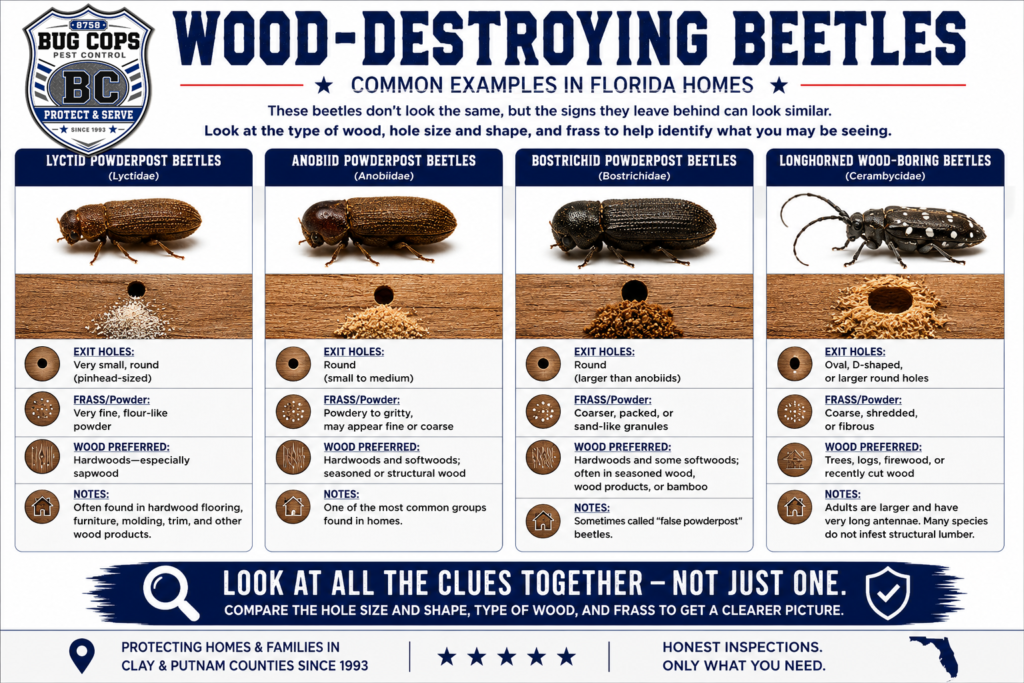
The size and shape of an exit hole can provide useful information, but the material associated with the hole and the type of wood being damaged can be just as important.

Inspection Note: Don’t identify a wood-destroying beetle from an exit hole alone. Compare the hole size and shape, frass or powder, type and condition of the wood, location of the damage, and any adult beetles found nearby.
Wood-Destroying Beetle Identification: Common Beetles in Florida Homes
Several groups of beetles can develop within seasoned wood, and the evidence they leave behind can vary considerably. Exit-hole size, frass texture, type of wood, and location of the damage can provide useful clues about which group may be involved.
Lyctid Powderpost Beetles
Lyctidae
Lyctid powderpost beetles primarily infest the sapwood of hardwoods. Activity may be found in hardwood flooring, furniture, molding, trim, paneling, and other hardwood products.
Adults leave very small, round exit holes, while the material produced by the larvae can be extremely fine and powder-like. This fine powder may fall from holes or accumulate beneath infested wood.
Evidence clue: Tiny round holes + very fine, flour-like powder + hardwood.
Anobiid Powderpost Beetles
Anobiidae
Anobiid powderpost beetles can infest both hardwoods and softwoods and may be associated with structural lumber as well as other seasoned wood. Activity can remain concealed while larvae develop inside the wood.
Their round exit holes are generally larger than those produced by lyctid beetles. Frass may appear powdery but can contain small gritty or pellet-like material when examined closely.
Evidence clue: Round exit holes + powdery or gritty frass + structural or seasoned wood.
Bostrichid Powderpost Beetles
Bostrichidae
Bostrichid beetles, sometimes called false powderpost beetles, may infest seasoned hardwoods and some softwoods. They can occur in furniture, wood products, and certain bamboo materials.
Their exit holes tend to be larger than those associated with lyctid powderpost beetles. The frass is generally coarser and more sawdust-like and may remain tightly packed within the feeding galleries rather than freely spilling from the wood.
Evidence clue: Larger round holes + coarser, packed frass + hardwood, softwood, or wood products.
Longhorned Wood-Boring Beetles
Cerambycidae
Longhorned beetles include many species whose larvae develop within wood. Adults are generally larger than powderpost beetles and are often recognizable by their elongated bodies and conspicuously long antennae.
Many longhorned beetles are associated with trees, logs, firewood, or recently cut wood rather than established structural infestations. An adult emerging from a wood product therefore doesn’t automatically mean an ongoing structural problem is present.
Evidence clue: Larger beetle + long antennae + larger emergence holes, with the type and condition of the affected wood providing important context.
Inspection Note: Beetle species matter. Different wood-destroying beetles prefer different types and conditions of wood and can leave different holes and frass behind. Correct identification helps determine whether the beetle is associated with structural wood, finished wood products, or another source.
Where Is Wood-Destroying Beetle Activity Found Around the Home?
Wood-destroying beetle evidence may be discovered anywhere susceptible wood or wood products are present. The type of wood, its condition, where it is located, and the kind of evidence associated with it can all help narrow down what may be responsible.
Hardwood Floors & Trim
Hardwood flooring, molding, baseboards, paneling, and decorative trim can sometimes show small exit holes or fine powder associated with beetle activity, particularly when susceptible hardwood sapwood is present.
Structural Lumber & Subflooring
Floor joists, subflooring, framing, and other structural wood may show exit holes, frass, or internal damage. The wood species, moisture history, and condition of the lumber can provide important clues.
Furniture & Wood Products
Furniture, cabinets, shelving, picture frames, decorative wood, and other manufactured wood products can sometimes contain beetle activity that began before the item ever entered the home.
Attics, Crawl Spaces & Framing
Exposed framing in attics and crawl spaces can make evidence easier to notice. Look for exit holes, powder or frass beneath wood, and areas where material repeatedly accumulates.
Stored Lumber & Firewood
Stored lumber, scrap wood, firewood, and recently cut wood can contain wood-boring insects. Finding beetles emerging from these materials doesn’t automatically mean the home’s structural wood is infested.
Doors, Windows & Decorative Wood
Wooden doors, window frames, sills, shutters, and architectural woodwork can also show beetle evidence. Pay attention to whether holes appear old or whether fresh material continues to accumulate nearby.
Inspection Note: Where the evidence is found matters. Note the type of wood, where it is located, the size and shape of any holes, and whether powder or frass appears to be accumulating beneath the same area.
Signs of Wood-Destroying Beetle Activity
Wood-destroying beetles may remain concealed within wood for much of their development, so homeowners often discover evidence of activity rather than the insects themselves. Exit holes, frass or powder, damaged wood, and recurring material beneath the same area can all provide useful clues.
Small Exit or Emergence Holes
Adult beetles may leave openings in the wood when they emerge. Hole size and shape can vary depending on the beetle involved, so the opening should be considered together with the other evidence present.
Fine Powder or Frass
Some wood-destroying beetles produce very fine, flour-like powder, while others leave grittier or coarser material. The texture of material associated with an exit hole can be an important identification clue.
Material Accumulating Beneath Wood
Powder, frass, or other wood material may collect on window sills, floors, furniture, framing, or surfaces beneath affected wood. Repeated accumulation in the same location deserves closer attention.
Damaged or Weakened Wood
Larval feeding occurs inside the wood and may create hidden galleries. In some cases, the outer surface can remain relatively intact even though internal damage is present beneath it.
Adult Beetles Near the Wood
Adult beetles may occasionally be found on windowsills, floors, walls, or near affected wood after emerging. Finding an adult can provide another clue, but the beetle should be considered together with the wood evidence.
Evidence Keeps Reappearing
Fresh material appearing again after an area has been cleaned can be especially useful information. Recurring powder or frass beneath the same holes or piece of wood may indicate that the evidence deserves further investigation.
Inspection Note: Don’t clean away the evidence just yet. Before removing powder, frass, or other material, take clear photos of where it was found and the wood directly above or around it. The location and appearance of the material can provide useful clues during an inspection.
Real Wood-Destroying Beetle Evidence
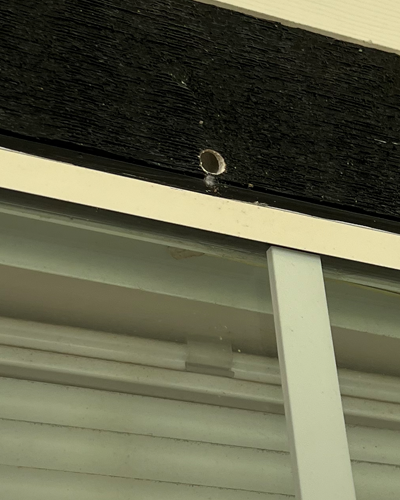
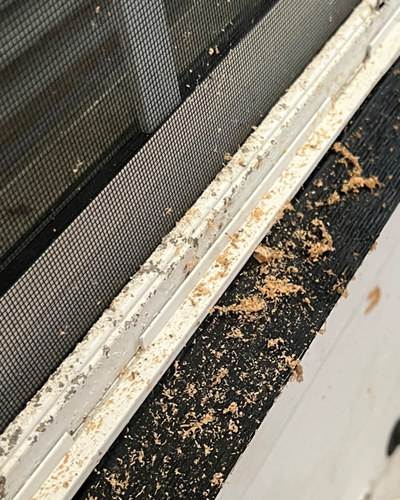
Wood-destroying beetle activity may be discovered through exit holes, fresh frass or wood powder, and evidence associated with the same piece of wood. These photos show actual wood-destroying beetle evidence documented by Bug Cops during a field inspection and treatment.
Beetle Exit Hole
Frass Below the Damage
Treating the Affected Wood
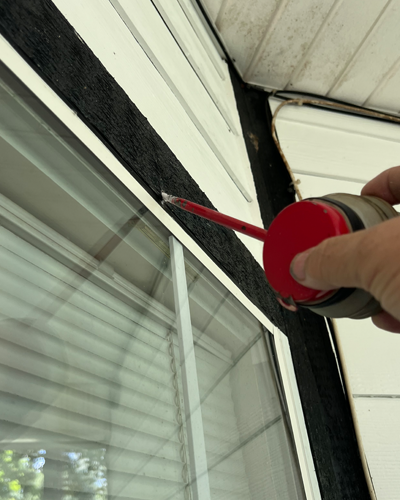
Actual Bug Cops field evidence and treatment photos from North Florida.
Inspection Note: A hole becomes much more informative when other evidence is present. Look at the opening, the material accumulating beneath it, the type of wood involved, and whether fresh evidence continues to appear.
Why Am I Seeing Wood-Destroying Beetle Activity?
Seeing evidence of wood-destroying beetles does not necessarily mean the problem started recently. Depending on the species, beetles may spend months or even years developing inside wood before adults emerge and leave the small holes that finally get noticed.
Several conditions can contribute to wood-destroying beetle activity around a home:
Moisture or Damp Wood
Leaks, condensation, poor ventilation, and high moisture levels can make wood more suitable for certain species of wood-destroying beetles. Moisture problems may also allow activity to continue if the underlying condition is not corrected.
Beetles Were Already Inside the Wood
Infested lumber, furniture, cabinets, flooring, decorative wood, or other wood products can sometimes bring beetles into a home. The insects may not become noticeable until adult beetles eventually emerge.
Older or Unfinished Wood
Some beetles are more likely to infest particular types or conditions of wood. Exposed structural lumber, older wood, and unfinished wood may provide suitable places for certain species to lay eggs and develop.
An Existing Infestation Is Continuing
Depending on the beetle species and conditions, new generations may reinfest suitable wood. Fresh exit holes or newly accumulating powder or frass can be important clues that activity may be ongoing.
The Evidence May Be From an Old Infestation
Exit holes remain in wood after beetles have emerged. Finding holes alone does not prove beetles are currently active—which is why the condition of the evidence matters just as much as finding it.
Inspection Note: Fresh evidence tells us more than old damage. When inspecting suspected beetle activity, we look at the exit holes, the type and condition of the powder or frass, the surrounding wood, moisture conditions, and other evidence to help determine what may be happening inside the wood.
Is the Wood-Destroying Beetle Infestation Active?
Finding exit holes or damaged wood does not automatically mean beetles are still active. Wood can retain evidence of an infestation long after the insects have emerged. The key is looking for new or changing evidence.
Signs That May Suggest Current Activity
Fresh Powder or Frass
New powder or frass appearing beneath exit holes can be an important clue. If the material is cleaned away and begins accumulating again, beetle activity may still be occurring inside the wood.
New or Fresh-Looking Exit Holes
Recently created exit holes may appear cleaner or lighter than older holes because the exposed interior wood has not yet darkened with age, dust, or debris.
Live Adult Beetles
Finding adult beetles near affected wood, windows, or other light sources may indicate that insects are emerging from somewhere nearby.
New Damage Appears Over Time
Additional holes, fresh powder, or other changes in previously inspected wood can provide stronger evidence that the infestation is ongoing.
Evidence That May Be Older
Dark or Weathered Holes
Older exit holes may darken over time or appear weathered as dust, dirt, or age changes the exposed wood around the opening.
Dust or Debris in Holes
Exit holes containing dust, dirt, cobwebs, or other debris may have been present for some time rather than being recently created.
Old Damage With No Fresh Material
Previously damaged wood may retain exit holes and galleries long after beetles are gone. If no fresh powder or frass is appearing, the damage may be from an older infestation.
No Observable Changes Over Time
If the area is cleaned and monitored and no new holes, powder, frass, or other evidence appears, the visible damage may represent past rather than current activity.
That is why exit holes alone cannot confirm an active infestation.
Inspection Note: Don’t rely on one clue. Determining whether wood-destroying beetle activity is current often requires looking at several pieces of evidence together—including the exit holes, powder or frass, condition of the wood, moisture levels, beetle species, and whether new evidence continues to appear.
Wood-Destroying Beetles vs. Termites: What’s the Difference?
Both wood-destroying beetles and termites can damage wood, but the evidence they leave behind can be very different. Knowing what to look for can help narrow down which wood-destroying insect may be responsible.
Wood-Destroying Beetle Evidence
- Exit or emergence holes where adult beetles leave the wood
- Powder or frass associated with holes or damaged wood
- Larval galleries inside the wood
- Hole size, shape, and frass texture that can vary depending on the beetle involved
Termite Evidence
- Mud tubes associated with subterranean termite activity
- Wood damaged along the grain, sometimes with soil or mud present
- Dry, pellet-like droppings associated with drywood termites
- Termite swarmers or piles of shed wings
- Wood that may appear blistered, hollowed, or internally damaged
Similar Damage — Different Suspects
A pile of material beneath damaged wood does not necessarily mean powderpost beetles, just as damaged wood does not automatically mean termites. The type of material, pattern of damage, condition of the wood, and other evidence nearby help distinguish one wood-destroying insect from another.
Seeing signs that may point to termites? → Explore the Termite Identification Guide.
Inspection Note: Identification comes before treatment. Beetles and termites have different biology and may require very different approaches. Determining what caused the damage—and whether activity appears current—is an important first step before deciding what, if anything, needs to be done.
What Should I Do If I Find Wood-Destroying Beetle Evidence?
If you discover exit holes, powder, frass, or damaged wood, don’t rush to treat the area before you know what caused it. Preserving and documenting the evidence can make identification much easier.

Take Clear Photos
Photograph the damaged wood, exit holes, and any powder or material nearby. Include both close-up photos and a wider photo showing where the evidence was found.

Leave Some of the Evidence Undisturbed
If possible, avoid immediately wiping away all of the powder or frass. Its texture, color, and location can provide useful identification clues.

Note Where You Found It
Record whether the evidence was found in flooring, trim, furniture, structural lumber, a window or door frame, stored wood, or another location. Also note any nearby moisture or previous water damage.

Save the Beetle If You Find One
If an adult beetle is present, place it in a small sealed container or bag if you can do so safely. The insect itself may provide valuable identification information.

Watch for New Evidence
If an area has already been cleaned, watch for fresh powder, frass, or additional exit holes. New material appearing in the same location can help determine whether activity may still be occurring.

Avoid Treating Based on a Guess
Different beetles—and other wood-destroying insects such as termites—may require completely different responses. Correct identification should come before deciding whether treatment is necessary.
Inspection Note: The evidence you find can help tell the story. Photos of the holes, surrounding wood, and material beneath the area—along with the location where it was found—can give us valuable information before and during an inspection.
How Does Bug Cops Inspect Wood-Destroying Beetle Activity?
A wood-destroying beetle inspection is about more than finding holes. The goal is to determine what may have caused the evidence, whether activity appears current, and what conditions may be contributing to the problem.
During an inspection, we may evaluate:
The Evidence
We examine exit holes, powder or frass, damaged wood, and any insects that may be present. The size, shape, texture, and location of the evidence can provide important identification clues.
The Affected Wood
The type and condition of the wood matter. We look at where the damage is occurring and whether the affected material is structural lumber, trim, flooring, furniture, or another wood product.
Moisture & Contributing Conditions
When appropriate, we look for moisture, leaks, poor ventilation, or other conditions that may make wood more susceptible to certain wood-destroying beetles.
Signs of Current Activity
Fresh material, new exit holes, live insects, or evidence that continues to appear can help determine whether the activity may be ongoing rather than historical.
Other Possible Wood-Destroying Insects
Not every hole or damaged piece of wood is caused by a beetle. We consider whether the evidence could be associated with termites or another wood-destroying insect before recommending a response.
What — If Anything — Needs to Be Done
Not every piece of old beetle damage requires treatment. Once the evidence and conditions have been evaluated, we can explain what we found and whether treatment, correction of contributing conditions, monitoring, or no action may be appropriate.
Inspection Note: The inspection determines the next step—not the other way around. Our job is to identify the evidence, explain what it means, and recommend only what the situation calls for.
How Can I Help Prevent Wood-Destroying Beetle Problems?
Not every wood-destroying beetle problem can be prevented, especially when insects are already present inside lumber, furniture, or other wood products. However, homeowners can take steps to reduce conditions that may favor certain beetles and make new activity easier to recognize.
Control Excess Moisture
Repair plumbing or roof leaks, improve ventilation where needed, and address areas where wood remains damp. Moisture control is particularly important for beetles associated with higher-moisture wood.
Inspect Wood Before Bringing It Indoors
Check used furniture, reclaimed wood, decorative wood, lumber, and other wood products for exit holes, powder, frass, or other signs of insect activity before bringing them into the home.
Store Firewood Away From the Home
Keep firewood outdoors and separated from the structure when practical. Bring in only what you plan to use rather than storing large quantities of firewood inside.
Protect & Maintain Exposed Wood
Properly finished or sealed wood may be less suitable for some beetles than unfinished wood. Pay particular attention to exposed wood in areas where moisture or weathering occurs.
Correct Conditions Around Damaged Wood
If beetle activity is associated with a leak, moisture problem, deteriorating wood, or another contributing condition, correcting that condition may be an important part of addressing the overall problem.
Keep an Eye on Previously Affected Areas
After an area has been inspected or addressed, periodically check it for fresh powder, new exit holes, or other changes.
New evidence is more informative than old damage that simply remains visible.
Inspection Note: Prevention starts with understanding why the activity occurred. The beetle involved, type and condition of the wood, moisture levels, and source of the affected material can all influence which preventive steps make sense.
Wood-Destroying Beetle Identification Guide FAQs
Not necessarily. Exit holes can remain long after adult beetles have emerged. Fresh powder or frass, new holes, live beetles, or evidence that continues to appear can provide better clues about whether activity may still be occurring.
The material may be frass or wood particles produced by beetle larvae as they develop inside the wood. Its texture can vary by beetle—from very fine, flour-like powder to coarser or more pellet-like material. The material should be considered along with the exit holes, type of wood, and other evidence.
No. Beetles and termites are different insects with different life cycles and damage patterns. Beetles commonly leave emergence holes and associated powder or frass, while termites may leave evidence such as mud tubes, damaged galleries, swarmers, shed wings, or drywood termite pellets.
Some species can damage structural wood when larvae feed and develop inside it, particularly when infestations continue over time. How serious the damage is depends on the beetle involved, the wood affected, the extent of the activity, and whether the infestation is current.
No. Old exit holes or historical damage do not automatically mean treatment is necessary. Identification and inspection should come first so the evidence, affected wood, contributing conditions, and likelihood of current activity can be evaluated before deciding what—if anything—needs to be done.
Want to learn more about wood-infesting beetles? Visit the University of Florida IFAS Extension resource on powderpost beetles and other wood-infesting insects.
Not Sure What’s Damaging the Wood?
Small holes, powder, frass, or damaged wood can raise a lot of questions—and the evidence isn’t always enough to identify the cause at a glance.
Take a few clear photos of what you found and send them to Bug Cops. Include the holes or damaged wood, any powder or material nearby, and a wider photo showing where the evidence is located.
We can help you determine whether the evidence may point to wood-destroying beetles, termites, or another cause—and whether the situation deserves a closer inspection.
Protecting & Serving Clay and Putnam Counties Since 1993
Bug Cops Pest Control helps homeowners identify pest problems and understand what they’re seeing. We believe in identifying the problem first, explaining what we find, and recommending only what you need.