
Bed Bug Identification Guide for Clay & Putnam Counties
This Bed Bug Identification Guide will help you identify bed bugs, recognize common signs of activity, understand where they hide, and learn what evidence to look for around your home.
Bed bugs are small, flat, reddish-brown insects that feed on blood. Although people commonly associate them with beds and bedrooms, these insects can hide in many protected cracks and crevices near places where people regularly rest or sleep.
Because they are excellent hitchhikers, bed bugs can enter homes in luggage, furniture, clothing, bags, boxes, and other belongings.
One reason bed bugs can be difficult to identify is that the insect itself may remain hidden during the day. Often, the first useful evidence is not a live bed bug but dark spotting, shed skins, eggs, or reddish stains around mattresses, bed frames, furniture, and nearby hiding places.
Not sure whether the tiny insect or evidence you’ve found is from bed bugs? Take a clear photo and send it to Bug Cops. We’ll help you identify the insect or evidence you found.
How to Identify a Bed Bug
This bed bug identification guide highlights the physical features that can help distinguish bed bugs from other small household pests.
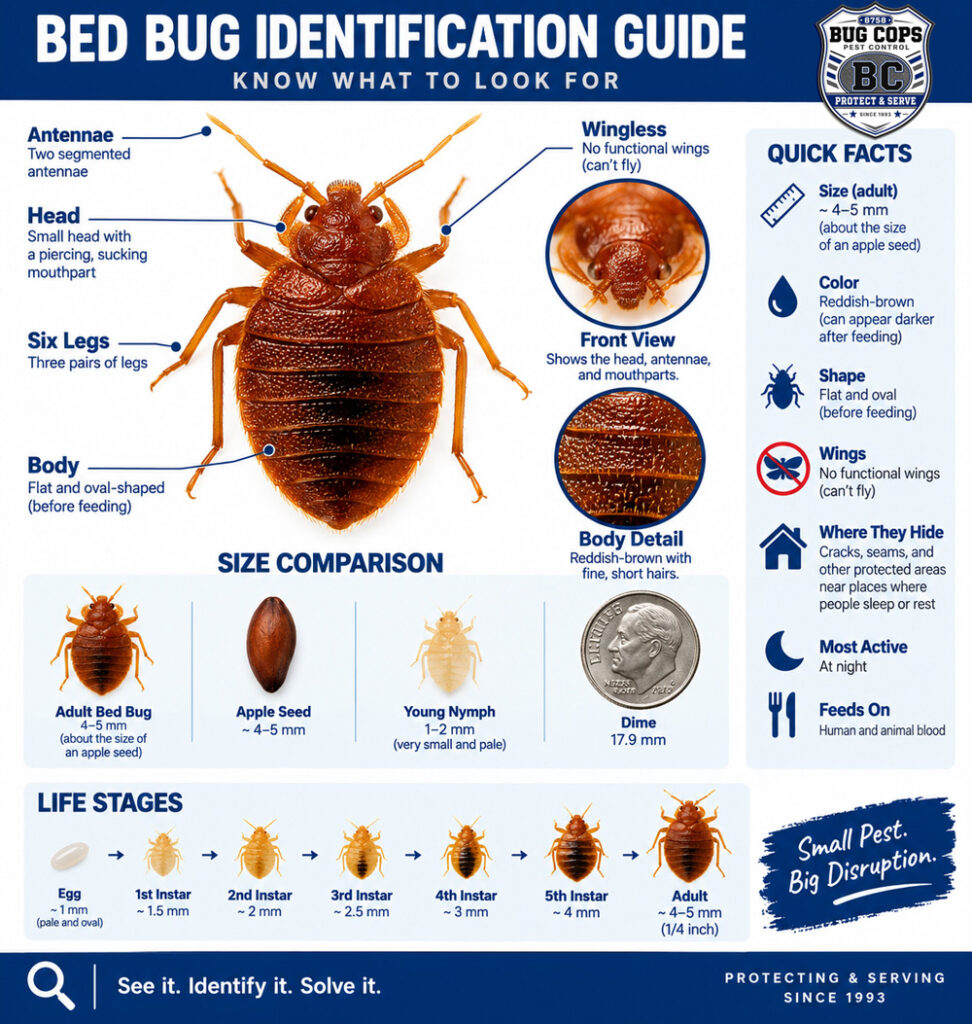
Adult bed bugs are small, wingless insects with flat, oval-shaped bodies. They are usually reddish-brown, although their size, shape, and color can change after feeding. Adults are roughly 1/4 inch long—about the size of an apple seed.
Bed bugs have six legs, two antennae, and a broad, oval-shaped body. Before feeding, their bodies appear relatively flat. After a blood meal, however, they become noticeably swollen and elongated. Adults are typically reddish-brown, and although bed bugs have reduced wing structures, they cannot fly.
Young bed bugs, called nymphs, are smaller and lighter in color than adults. Newly hatched nymphs can be pale or nearly translucent, making them particularly difficult to see against light-colored surfaces.
This bed bug identification guide also focuses on the evidence bed bugs leave behind, since finding the insect itself is not always the easiest way to recognize activity.
Don’t Just Look for the Bug
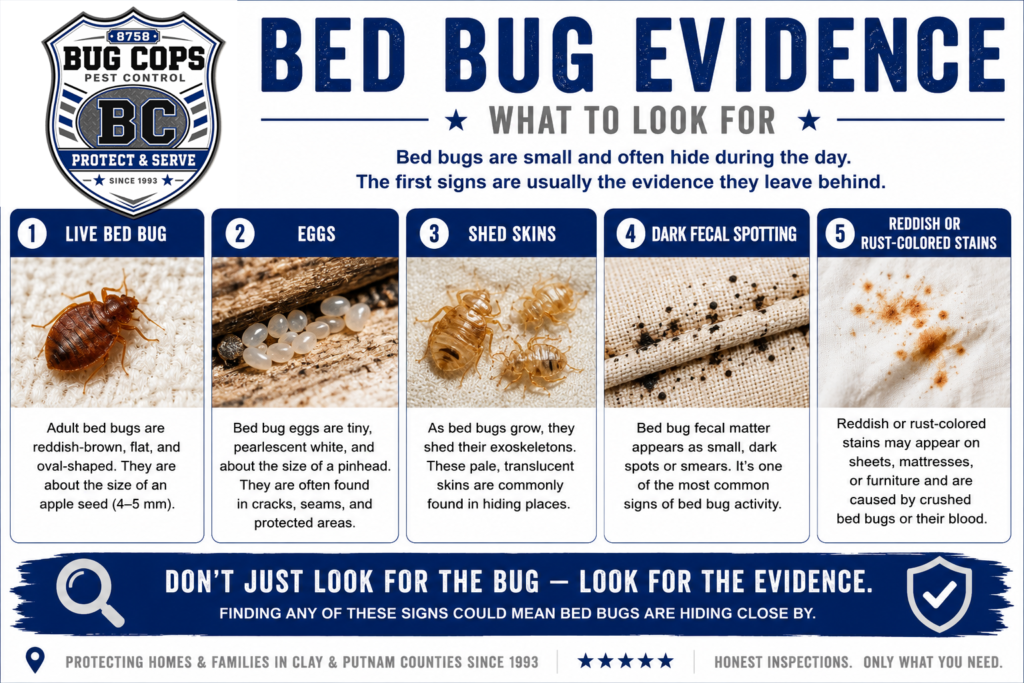
Because bed bugs spend much of their time hidden in cracks, seams, and other protected spaces, finding the insect itself isn’t always the easiest way to recognize activity. Look for several types of evidence:
Live bugs → Eggs → Shed skins → Dark spotting → Reddish or rust-colored stains
The presence of more than one type of evidence can provide a much clearer picture of what may be happening around a sleeping or resting area.

Identification Note: Don’t identify a bed bug from a bite or skin reaction alone. The insect itself—or physical evidence such as eggs, shed skins, or characteristic spotting—provides much stronger identification information.
Bed Bug Identification Guide: Common Look-Alikes
People can mistake several small household pests for bed bugs, especially when they find them near bedrooms, furniture, or fabrics. Body shape, size, location, and physical evidence can help distinguish bed bugs from some of their common look-alikes.
Bat Bugs
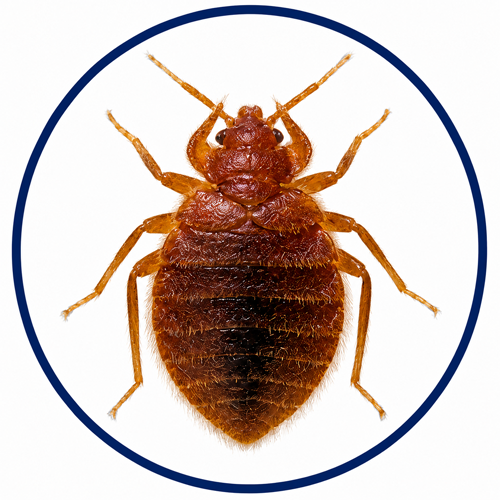
Bat bugs are extremely similar in appearance to bed bugs and can be difficult to distinguish without magnification. However, they primarily live around bats and the areas where bats roost, rather than places typically associated with human-feeding bed bugs.
Spider Beetle
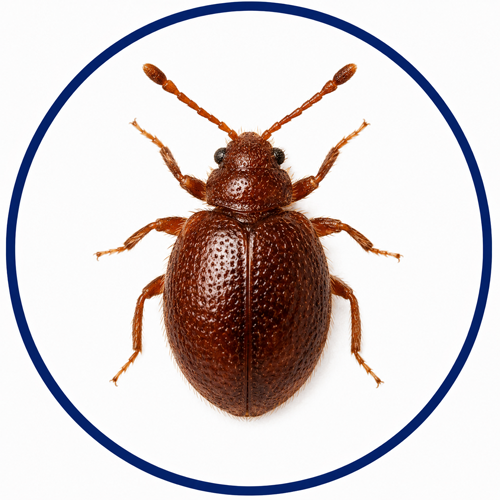
Spider beetles are small household beetles with rounded, reddish-brown bodies that can resemble bed bugs at a quick glance. Their smooth, hard-bodied appearance becomes easier to distinguish when viewed closely.
Unlike bed bugs, spider beetles do not feed on blood. Spider beetles typically live near stored foods, organic debris, animal nests, or other materials that provide a food source.
Fleas
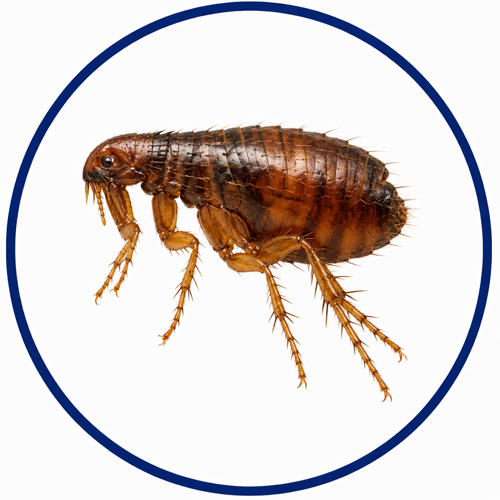
Fleas are small, reddish-brown, blood-feeding insects. Unlike bed bugs, however, their bodies are narrow and flattened from side to side rather than broad and oval.
Another useful clue is movement. Fleas have powerful hind legs that allow them to jump, whereas bed bugs crawl and cannot jump.
Cockroach Nymphs
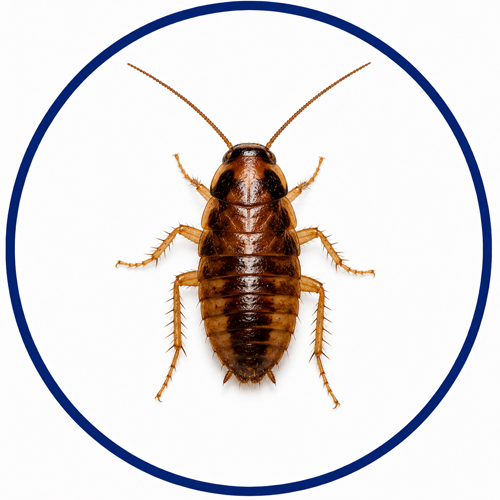
People sometimes mistake young cockroaches for bed bugs because they’re small, brown, and wingless. Cockroach nymphs generally have a more elongated body, longer antennae, and faster running movement than bed bugs.
Their activity and the other evidence they leave behind also differ from bed bugs.
What About Carpet Beetles?
Carpet beetle larvae and their shed skins can sometimes be mistaken for signs of bed bugs, especially when found around beds, upholstered furniture, fabrics, lint, or accumulated hair. However, carpet beetle larvae are typically hairy or bristly, while bed bugs are flat, smooth-bodied insects. Finding shed skins alone does not confirm bed bugs, so look closely at the shape, texture, and other evidence before making an identification.
Identification Note: Don’t identify a suspected bed bug from color alone. Body shape, antennae, movement, where the insect was found, and the evidence surrounding it can all help separate bed bugs from their look-alikes.
Bed Bug Identification: Where to Look Around the Home
Bed bugs usually stay close to places where people sleep, rest, or spend extended periods of time. Their flat bodies allow them to hide in surprisingly narrow cracks and crevices, and as activity increases, they may spread farther from the original hiding area.
Mattress Seams & Box Springs
Mattress piping, seams, labels, tufts, and folds can provide protected hiding places. Bed bugs may also hide beneath fabric, around staples, and inside or along the edges of box springs.
Bed Frames & Headboards
Cracks, screw holes, joints, brackets, and spaces where bed-frame pieces connect can provide excellent hiding places. Headboards—particularly those mounted against a wall—may also conceal activity.
Upholstered Furniture
Couches, recliners, upholstered chairs, and other furniture where people regularly sit or rest can harbor bed bugs. Check seams, folds, cushions, undersides, and structural joints rather than looking only at exposed fabric.
Baseboards, Cracks & Crevices
Bed bugs can hide along baseboards, flooring edges, wall cracks, trim, and other narrow protected spaces near sleeping or resting areas.
Nearby Furniture & Belongings
Nightstands, dressers, picture frames, luggage, bags, boxes, and belongings stored near beds or resting areas can provide additional hiding places—especially when activity has been present for some time.
Behind Wall Fixtures & Protected Voids
Bed bugs may occasionally hide behind switch plates, outlet covers, loose wallpaper, wall-mounted items, or other protected spaces. These areas should not be disturbed or opened if doing so could create an electrical or other safety hazard.
Identification Note: Start close to where people sleep or rest and work outward. We look carefully at seams, joints, cracks, folds, furniture connections, and other protected spaces rather than examining only exposed surfaces.
Bed Bug Identification: Signs of Activity
Bed bugs can remain hidden for long periods of time, so recognizing their activity often means looking for physical evidence around sleeping and resting areas rather than waiting to see a live insect.
Live Bed Bugs
Finding a live bed bug is strong evidence of activity. Adults are reddish-brown and roughly apple-seed sized, while younger nymphs are smaller and may be pale or nearly translucent.
Dark Fecal Spotting
Small dark brown or black spots may appear along mattress seams, bed frames, furniture joints, or other hiding areas. These spots may look somewhat like tiny ink marks or dots on fabric and other surfaces.
Shed Skins
As bed bugs grow, they shed their outer skins. These pale, translucent cast skins may accumulate around seams, cracks, furniture joints, and other protected hiding places.
Eggs & Eggshells
Bed bug eggs are tiny, pale or pearly white, and difficult to see without close inspection. You may find them individually or in small groups within protected cracks, seams, and crevices.
Reddish or Rust-Colored Stains
Small reddish or rust-colored marks may sometimes appear on sheets or bedding. Stains alone don’t confirm bed bugs, but they can be useful when found along with other physical evidence.
Bites or Skin Reactions
People can react differently to bites, and many other things can cause similar skin reactions. Bites or skin reactions alone should not be used to identify bed bugs. Look for physical evidence of the insect.
Identification Note: One clue by itself may not tell the whole story. Finding multiple types of physical evidence in the same sleeping or resting area provides much stronger identification information.
Why Am I Seeing Bed Bugs?
Bed bugs don’t appear because a home is dirty or poorly maintained. These hitchhiking pests can enter homes on luggage, furniture, clothing, and other belongings or move between nearby areas after activity becomes established.
Luggage Came Home With More Than Souvenirs
Bed bugs can travel in luggage, backpacks, clothing, and other belongings after stays in hotels, rentals, dormitories, or other places where people sleep.
Used Furniture or Belongings Were Brought Inside
Mattresses, upholstered furniture, bed frames, clothing, boxes, and other secondhand items can occasionally transport bed bugs or their eggs into a home.
Visitors or Household Members Carried Them In
People may unknowingly carry bed bugs from one location to another on bags, clothing, and other personal belongings.
Bed Bugs Have Spread From Another Area
In apartments, multi-unit housing, hotels, or other connected spaces, bed bugs may move through cracks, wall voids, utility pathways, or shared structural areas.
Activity Was Already Present but Hidden
Small populations can remain unnoticed because bed bugs hide in narrow protected spaces. Activity may become apparent only after numbers increase or physical evidence becomes easier to find.
Items Were Moved From an Infested Area
Moving furniture, bedding, boxes, luggage, or belongings from one room or location to another can unintentionally move bed bugs and create activity in additional areas.
Identification Note: Finding bed bugs does not tell you exactly how or when they arrived. Focus first on confirming the evidence and identifying where activity is concentrated rather than trying to determine who or what brought them into the home.
Bed Bug Prevention Tips
Bed bug prevention is less about treating a home “just in case” and more about reducing opportunities for bed bugs to hitchhike inside and recognizing evidence early. Paying attention to travel, used belongings, sleeping areas, and items brought into the home can help.
Inspect Luggage After Travel
After staying away from home, inspect luggage and bags before storing them. Pay attention to seams, pockets, folds, and other protected areas where a small insect could remain hidden.
Learn more about protecting your home from bed bugs from the U.S. EPA.
Be Careful With Used Furniture
Inspect secondhand mattresses, upholstered furniture, bed frames, and other used items carefully before bringing them inside. Avoid bringing home discarded furniture when its history is unknown.
Keep Luggage Away From the Bed
When traveling, avoid placing luggage directly on beds or upholstered furniture. Use a luggage rack when available and keep bags separated from sleeping areas when practical.
Inspect Sleeping & Resting Areas
Periodically look around mattress seams, bed frames, headboards, upholstered furniture, and nearby cracks for live bugs, spotting, shed skins, eggs, or other suspicious evidence.
Be Thoughtful When Moving Belongings
If bed bug activity is suspected, avoid casually moving bedding, furniture, boxes, or belongings into other rooms. Moving items can unintentionally spread bed bugs to additional areas.
Act on Evidence Early
If you find a suspected bed bug or physical evidence, document what you found and where you found it. Early identification can make it easier to determine the extent and location of activity.
Identification Note: Prevention starts with awareness. Know what bed bug evidence looks like, pay attention to items that travel between locations, and investigate suspicious signs before moving belongings around the home.
When Should I Be Concerned About Bed Bugs?
Finding one unexplained spot, insect, or skin reaction doesn’t necessarily confirm bed bugs. Concern increases when physical evidence appears repeatedly, multiple types of evidence are found together, or activity begins spreading beyond one sleeping or resting area.
You Find a Live Bed Bug
Finding an insect that appears to be a bed bug deserves closer inspection. If possible, take a clear photo or safely preserve the specimen so it can be examined more carefully.
You Find Multiple Types of Evidence
Dark spotting, shed skins, eggs, live insects, and reddish stains become more meaningful when several signs are found together in the same sleeping or resting area.
Evidence Keeps Reappearing
If suspicious evidence returns after cleaning or continues appearing around mattress seams, furniture, bed frames, or nearby hiding places, there may be ongoing activity that warrants closer investigation.
Activity Appears in More Than One Area
Evidence around multiple beds, bedrooms, couches, recliners, or other resting areas may indicate that bed bugs have moved beyond one concentrated hiding area.
Bed Bugs Are Found in a Multi-Unit Building
Bed bug activity in apartments, duplexes, hotels, assisted-living facilities, or other connected structures may require additional attention because neighboring areas can sometimes be involved.
You Have Concerns About Bites or Skin Reactions
Skin reactions alone cannot confirm bed bugs and can have many possible causes. If you have concerns about bites, symptoms, or a skin reaction, contact an appropriate medical professional. For pest identification, look for physical evidence around the sleeping or resting area.
Identification Note: When bed bugs are suspected, avoid relying on one clue alone. Document where evidence appears, look for multiple signs in the same area, and avoid moving potentially affected belongings into other rooms until the situation is better understood.
Bed Bug Identification Guide FAQs
Yes. Adult bed bugs are visible without magnification and are roughly 1/4 inch long—about the size of an apple seed. Nymphs and eggs are much smaller and can be more difficult to see.
No. Bites or skin reactions alone cannot confirm bed bugs. Many things can cause similar reactions. Look for physical evidence such as live insects, dark spotting, shed skins, eggs, or other signs around sleeping and resting areas.
Yes. Bed bugs may hide in bed frames, headboards, upholstered furniture, baseboards, cracks, furniture joints, and nearby belongings. They tend to remain near places where people regularly sleep or rest.
No. Bed bugs do not jump or fly. They crawl and can spread by moving between nearby hiding places or by hitchhiking on luggage, furniture, bags, and other belongings.
No. Bed bugs are hitchhiking pests, not a sign of poor housekeeping. They can be transported into clean or cluttered homes alike on luggage, furniture, bags, clothing, and other belongings.
Not Sure If It’s a Bed Bug?
Use this bed bug identification guide to compare the insect and evidence you found with the common signs shown above. Bed bugs can be difficult to identify, particularly when the insect is small or the only thing you’ve found is suspicious evidence around a sleeping or resting area.
Don’t guess. If you’ve found an insect, spotting, shed skin, eggs, or other evidence you don’t recognize, take a clear photo and send it to Bug Cops. We’ll help you determine whether you’re dealing with a bed bug—or something else.
Protecting & Serving Clay and Putnam Counties Since 1993
If bed bug activity is suspected around your home, Bug Cops Pest Control can help evaluate the evidence, identify where activity may be concentrated, and determine the appropriate next step.