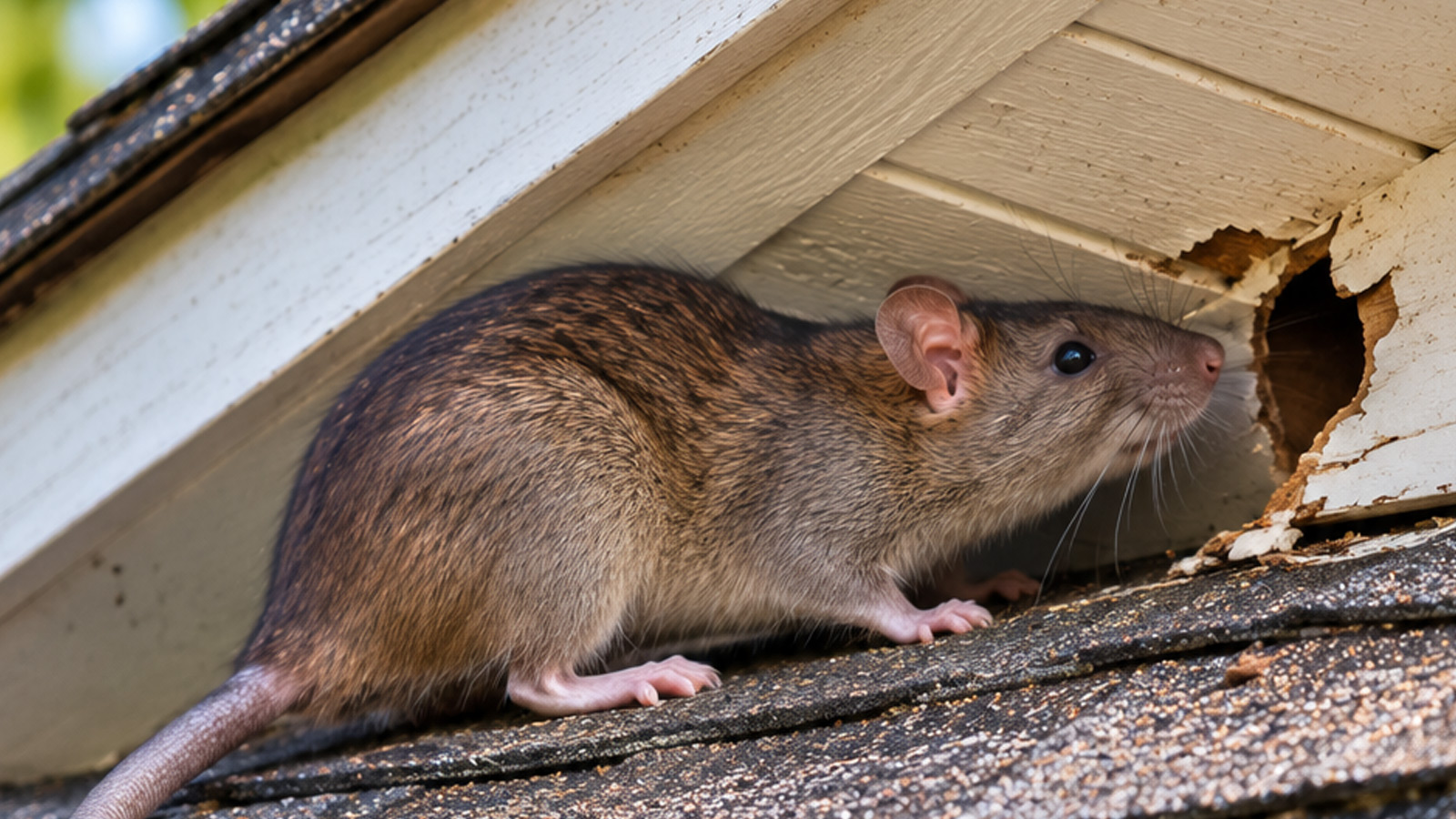
Something’s Moving In — And It Wasn’t Invited!
Why Rodents Seek Shelter in North Florida Homes and How to Keep Them Out
Rodents in North Florida homes can become a concern as the seasons change. However, cooler weather isn’t the only reason rats and mice look for shelter. Food, water, and easy entry points can make your home an inviting place any time of year.
It’s a quiet evening. You’re relaxing at home when you hear something moving overhead.
Scratch. Scratch. Thump.
Was that something in the attic?
You listen again. Nothing.
Then it happens again.
Before you start blaming the squirrels, you might want to consider another possibility. A rodent may have found its way inside.
Rodents in North Florida homes can become more noticeable as fall arrives. However, rats and mice don’t need freezing temperatures to seek shelter indoors.
Instead, they’re looking for food, water, and a safe place to nest. Unfortunately, your home may offer everything they need.
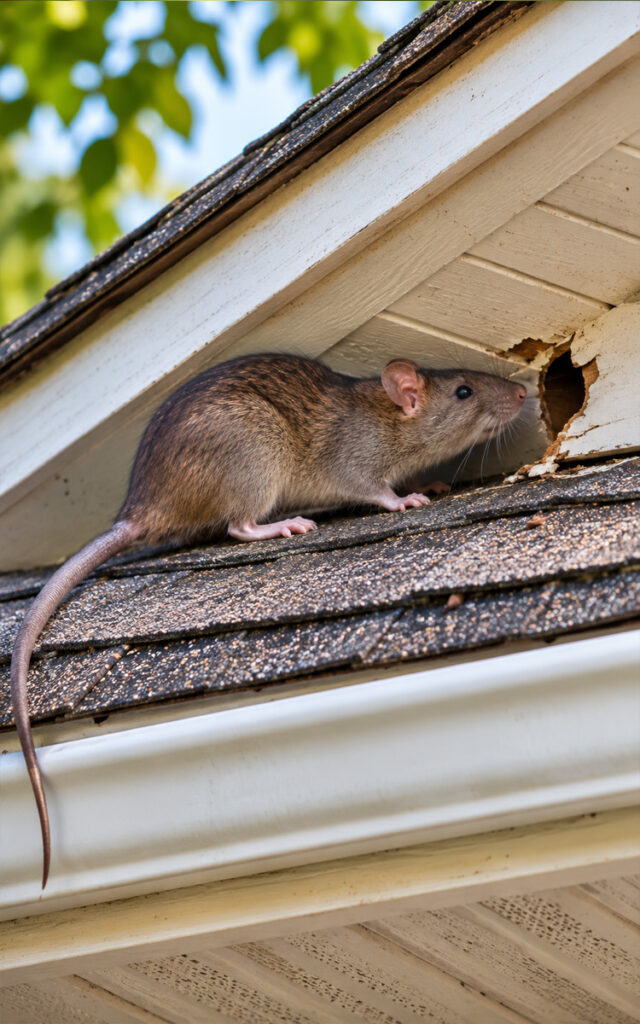
Sometimes, all they need is an easy way in.
Why Are Rodents in North Florida Homes This Time of Year?
In colder parts of the country, falling temperatures can push rodents to seek warmer shelter. Here in Clay and Putnam Counties, however, our winters are usually much milder.
So why might rodents become more noticeable around homes during fall and winter?
The answer involves three basic needs: food, water, and shelter.
Rats and mice remain active throughout the year in Florida. However, seasonal changes may influence where they travel, feed, and build nests. As a result, a comfortable attic, garage, or crawl space can attract them during any season.
Your home offers several advantages:
- Protection from predators and changing weather
- Quiet spaces for nesting and raising young
- Access to food and water
- Hidden pathways through walls, ceilings, and storage areas
Once rodents discover a dependable source of food or shelter, they may continue returning.
That’s why prevention matters long before you hear that first scratching sound.
What’s Attracting Rodents to Your Property?
You might be surprised by how many ordinary things can attract rodents.
Even a well-kept home isn’t automatically rodent-proof. After all, a clean property can still provide food, water, and hiding places.water, and hiding places.
Easy Meals Around the Yard
Rodents are opportunistic feeders. In other words, they take advantage of whatever food is available.
Common attractions include:
- Pet food left outside overnight
- Birdseed scattered beneath feeders
- Fallen fruit from trees
- Unsecured garbage containers
- Food scraps around outdoor eating areas
As a result, even a small, steady food supply can encourage rodents to remain nearby.
Comfortable Places to Hide
Overgrown vegetation, stacked materials, and clutter can provide shelter.
For example, woodpiles, stored equipment, thick shrubs, and crowded storage sheds may offer protected spaces where rodents can hide.
Some rodents prefer traveling above ground, while others spend more time near the soil.
Either way, reducing hiding places makes your property less inviting.
Water Sources
Like other animals, rodents need water.
Leaking outdoor faucets, dripping irrigation lines, standing water, and pet water bowls can provide convenient sources.
Therefore, eliminating unnecessary moisture may help reduce the appeal of your property.
How Are Rodents Getting Inside?
Here’s where the investigation gets interesting.
Rodents don’t need an open front door to enter your home.
Instead, they may take advantage of small gaps, damaged materials, and openings around the building.
However, not every rodent approaches from ground level.
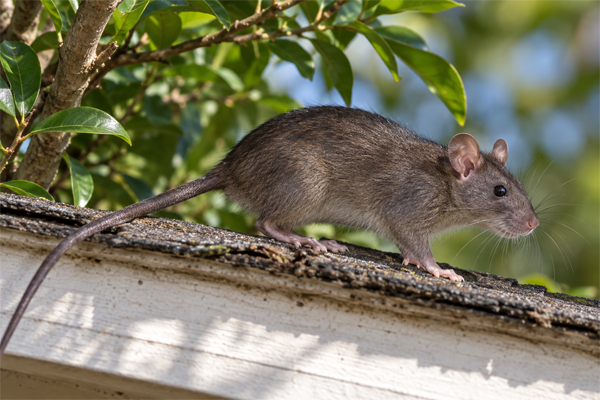
Look Up!
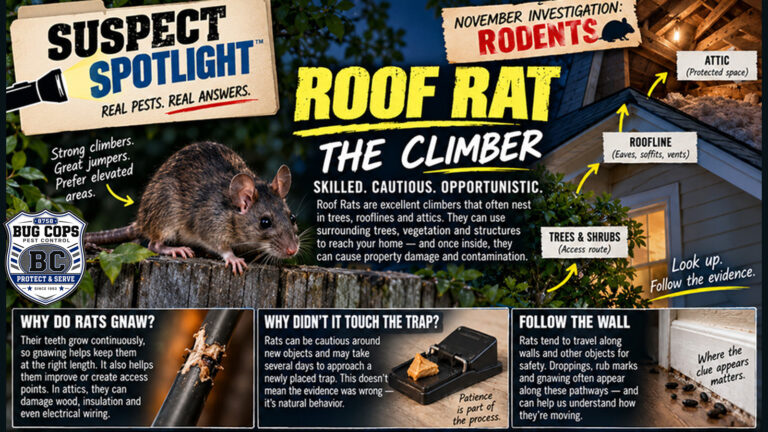
Roof rats are skilled climbers. For example, they may travel along fences, tree limbs, utility lines, and other elevated routes.
Potential entry points include:
- Damaged soffits and fascia
- Openings around roof vents
- Gaps near the roofline
- Damaged screening
- Openings around pipes and utility lines
Even a small opening can provide access, especially where building materials have deteriorated.
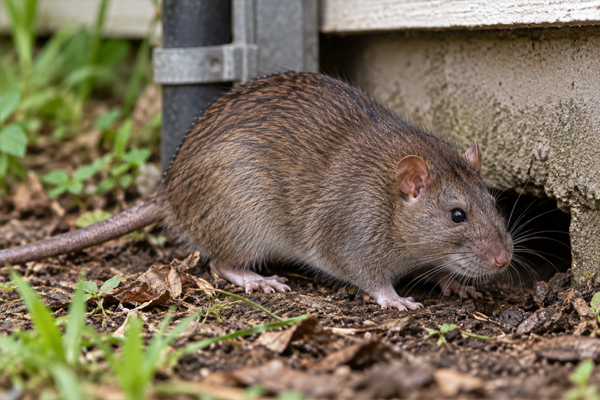
Start Low!
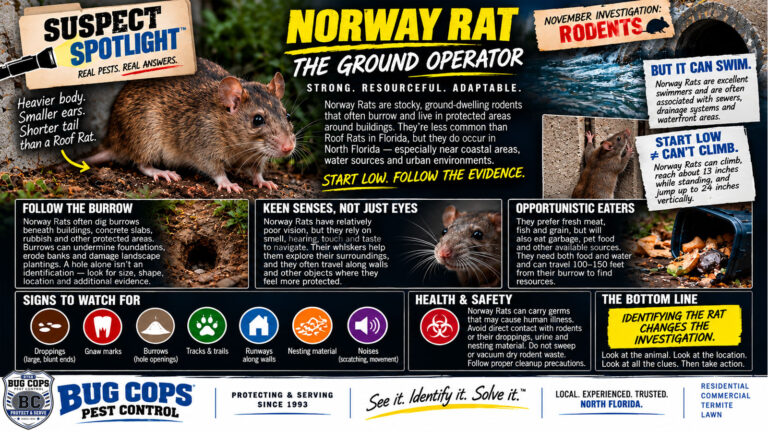
Other rodents may investigate openings closer to the ground.
For example, check for:
- Gaps beneath exterior doors
- Damaged garage door seals
- Openings around plumbing
- Foundation gaps
- Damaged crawl space vents
Mice can squeeze through openings roughly the width of a pencil, while rats generally require larger openings.e rats generally require larger openings.
The important lesson?
Inspect the entire structure, not just the areas you can easily see.
For safety, inspect rooflines from the ground. Leave roof access and unsafe spaces to trained professionals.
Five Clues That Rodents May Have Moved In
Rodents often leave evidence before homeowners actually see them. Here are five clues worth investigating.
1. Scratching or Movement at Night
Sounds in the attic, walls, or ceiling may indicate animal activity. However, sounds alone cannot confirm that rodents are responsible.
2. Droppings
Small, dark droppings in cabinets, garages, storage areas, or attics can be a warning sign. In fact, droppings may be one of the first clues homeowners discover.
3. Gnaw Marks
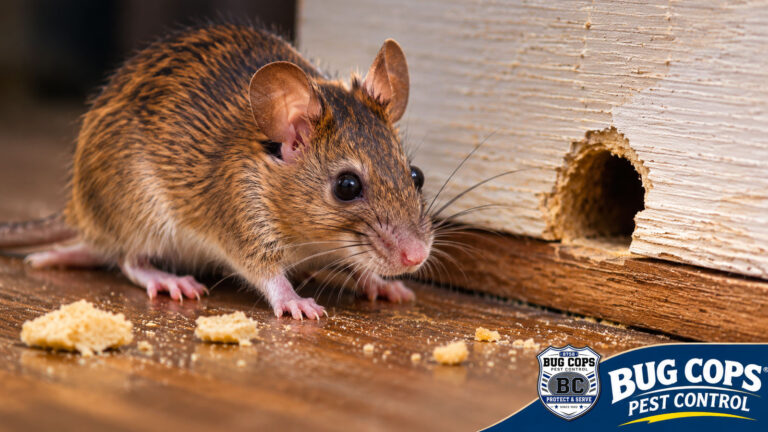
Rodents have front teeth that never stop growing. As a result, they frequently gnaw on materials such as wood, packaging, and even wiring.
4. Nesting Materials
Rodents may gather shredded paper, insulation, fabric, and other soft materials to build nests. For example, they may use these materials in sheltered areas of an attic or garage.
5. Damaged Food Packaging
Chewed bags, opened containers, or scattered food in pantries and storage spaces may suggest unwanted visitors. Therefore, unexplained food damage deserves a closer look.
Finding one clue doesn’t always tell you which animal is responsible. Identifying the pest and understanding its activity are important before deciding how to address the problem.
Six Ways to Make Your Home Less Inviting
The good news is that homeowners can take practical steps to make their properties less attractive to rodents. In fact, a few simple changes can help reduce food, water, shelter, and entry opportunities.
Secure Food Sources
Store pet food, birdseed, and other animal feed in sturdy, tightly closed containers.
Also, avoid leaving pet food outdoors overnight, and clean up fallen fruit regularly.
Reduce Outdoor Clutter
Remove unnecessary debris, organize storage areas, and keep stacked materials away from the home when practical.
As a result, reducing protected hiding places can make the property less attractive to rodents.
Maintain Vegetation
Trim overgrown shrubs and inspect tree limbs that touch or overhang the roof.
By keeping vegetation maintained, you can reduce some of the pathways rodents use around buildings.
Inspect Doors and Openings
Check exterior doors, garage seals, vents, and openings around utility lines.
Repair damaged screening and seal gaps with rodent-resistant materials.
However, if you suspect rodents are already inside, have the area inspected before sealing entry points.
Address Moisture Problems
Repair leaking faucets, correct drainage issues, and remove unnecessary standing water.
Check around outdoor faucets, air-conditioning units, and irrigation systems for hidden moisture.
Therefore, reducing easy access to water can make your property less attractive to rodents.
Watch for New Evidence
Pay attention to fresh gnaw marks, droppings, damaged materials, and unusual noises.
Check garages, storage areas, and other quiet spaces where rodent activity may go unnoticed.
Most importantly, early investigation can help identify a problem before it becomes more difficult to manage.
Why Rodent Prevention Takes More Than Setting a Trap
That’s why preventing rodents in North Florida homes requires more than simply setting traps.
However, trapping alone may not solve the problem.
If rodents still have access to food, shelter, and entry points, additional animals may continue finding their way inside.
That’s why effective rodent management often involves several steps:
- Identifying the rodent involved
- Locating entry points and travel routes
- Addressing active rodent activity
- Reducing food, water, and shelter opportunities
- Sealing appropriate openings to help prevent future entry
Ultimately, the right approach depends on the property and the evidence found during an inspection.
For more information about rodent identification and management, visit the University of Florida’s UF/IFAS Extension resource on rat and mouse control.
When Should You Call Bug Cops?
If you’re hearing movement in the attic, finding droppings, or noticing unexplained damage, don’t wait for the problem to become more serious.
After all, rodents can contaminate stored food and surfaces, damage building materials, and create potential health and safety concerns.
At Bug Cops Pest Control, we believe the first step is understanding what’s happening.
That’s why a thorough inspection is important. It can help identify signs of activity, possible entry points, and conditions that may be attracting rodents.
From there, we can discuss appropriate options for your home.
We’ve been Protecting & Serving Since 1993, helping homeowners throughout Clay and Putnam Counties address their pest concerns.
Precinct Note: A rodent doesn’t need an invitation. It only needs an opportunity.
Before the next cool evening arrives, take a few minutes to look around your property. Check the roofline from the ground, inspect exterior doors, secure outdoor food sources, and watch for signs of activity.
A little prevention today may help keep unwanted houseguests from settling in tomorrow.
Think Something Has Moved In?
Don’t let scratching sounds and suspicious clues go unanswered.