Lawn and Ornamental Care Services in Clay & Putnam Counties
Lawn and ornamental care in Clay and Putnam Counties requires an approach that considers North Florida’s growing conditions. Bug Cops provides specialized care for turfgrass, ornamental plants, palm trees, and cycads, including inspections, insect and disease management, fertilization, and micronutrient treatments based on each property’s needs.
Bug Cops provides professional lawn and ornamental care throughout Clay and Putnam Counties, Florida. Our services include inspections, insect and disease management, fertilization, and micronutrient treatments tailored to the needs of your lawn and landscape plants.
The right lawn care starts with identifying the problem correctly.
Explore Our Lawn and Ornamental Care Services
Every lawn and landscape plant has different needs. For that reason, Bug Cops provides specialized care for turfgrass, ornamental plants, palm trees, and cycads throughout Clay and Putnam Counties. Depending on the conditions we find,our services may include inspections, insect and disease treatments, fertilization, and micronutrient management.
Lawn Care
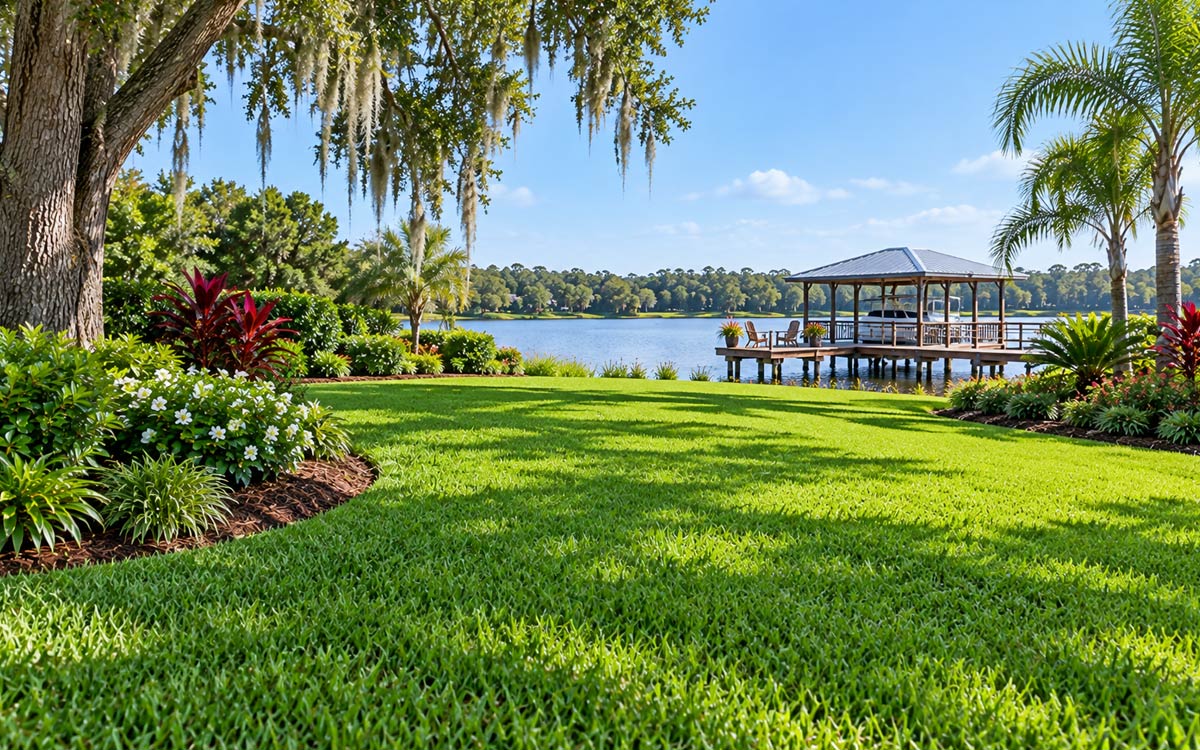
Professional turf care addressing weeds, damaging insects, disease, and nutrient deficiencies. In addition, treatments and fertilization are selected based on the lawn’s condition and overall health.
Ornamental Care
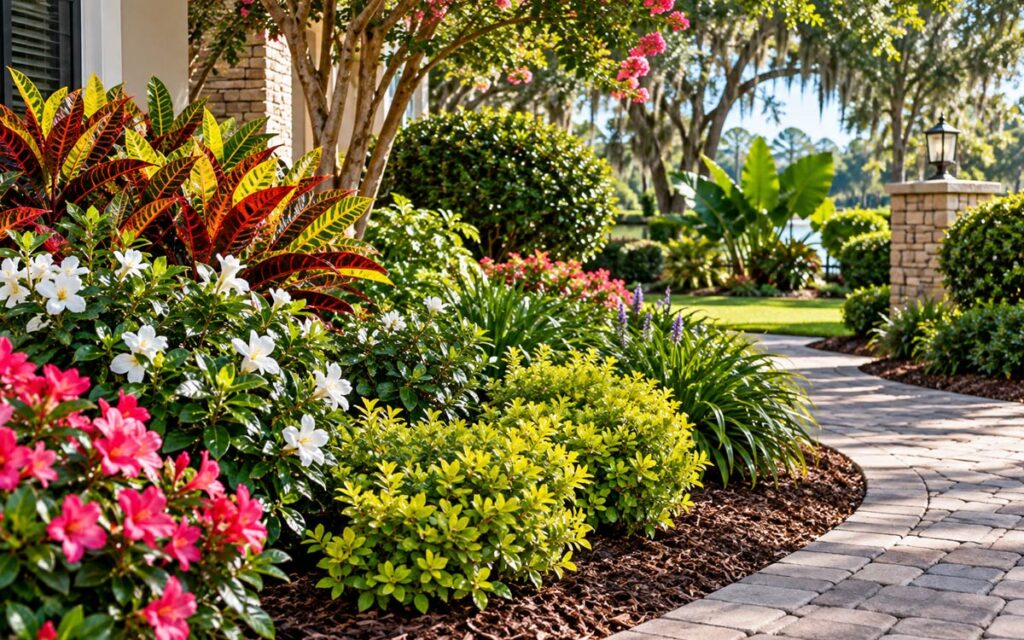
Specialized care for shrubs, flowering plants, and landscape ornamentals. Depending on plant needs, services may include insect and disease management, fertilization, and micronutrients.
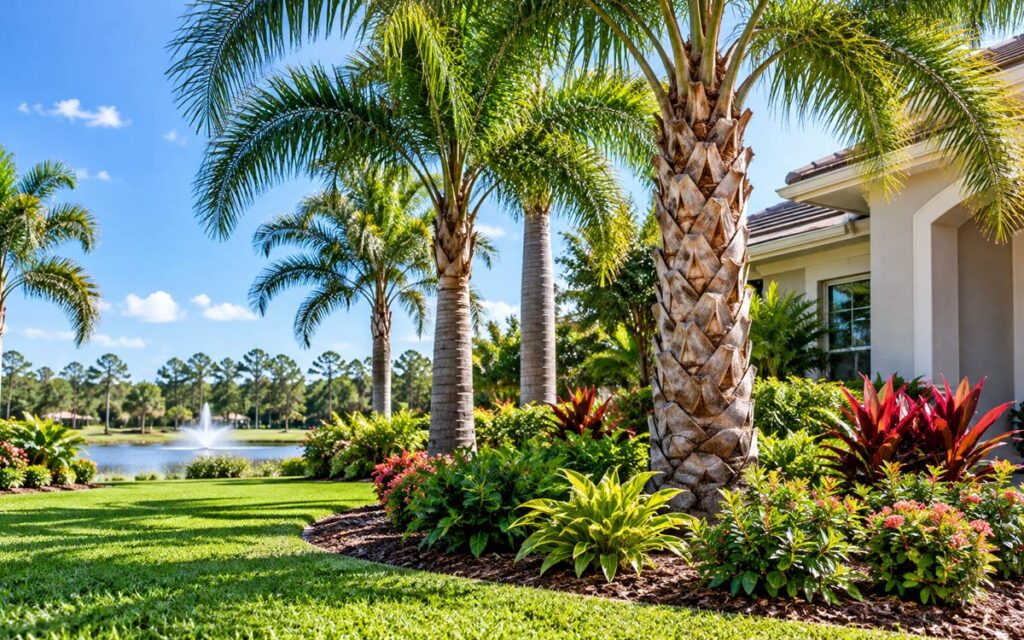
Palm Tree Care
Palm-specific inspections and treatments addressing insect activity, disease concerns, nutritional deficiencies, and overall palm health.
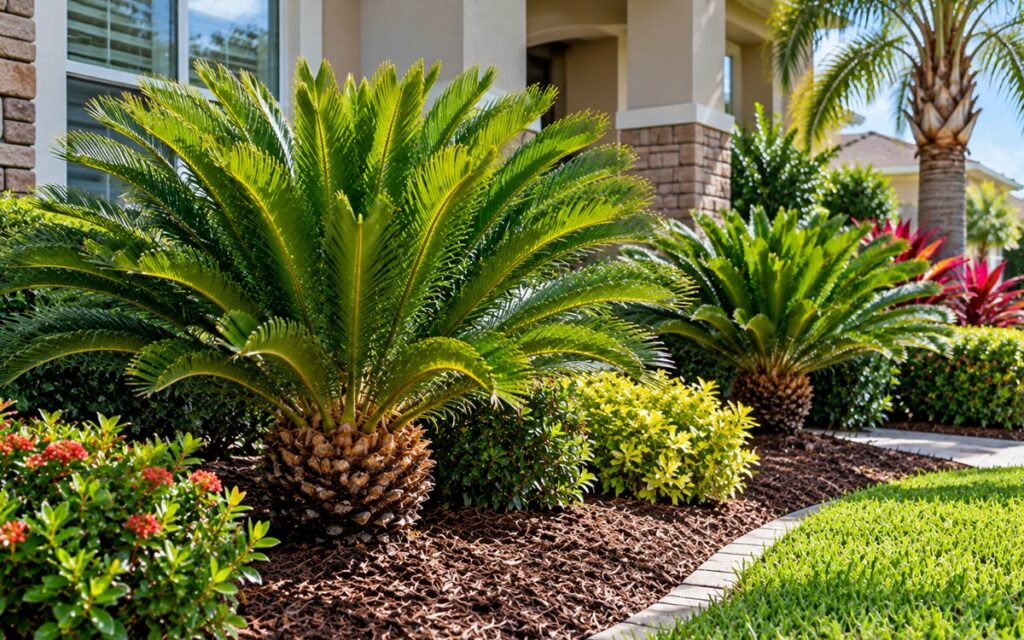
Cycad Care
Focused care for cycads, including sago palms and coonties, with inspections, pest and disease management, fertilization, and micronutrient treatments.

Inspection Note: Healthy landscapes begin with understanding the problem. We evaluate visible symptoms, plant conditions, and surrounding factors to help determine the appropriate care for lawns, ornamentals, palms, and cycads.
How Bug Cops Approaches Lawn and Ornamental Care
Lawn and ornamental care works best when each decision builds on what we observe at the property. Instead of relying on a one-size-fits-all program, Bug Cops evaluates turf, ornamental plants, palms, and cycads, identifies conditions affecting their health, recommends appropriate treatments, and monitors changes throughout the year.

Inspect
Look at the whole property.
First, we evaluate the turf, weeds, visible damage, pest activity, ornamentals, irrigation patterns, and surrounding conditions to understand what may be contributing to the problem.

Identify
Follow the evidence.
Next, we use symptoms, damage patterns, pest activity, growing conditions, and other clues to narrow down the likely cause. This helps us avoid assuming every lawn problem needs the same treatment.

Treat
Apply what the property needs.
Once we identify the problem, we select an appropriate treatment when needed. We also consider the lawn or plant being treated, seasonal conditions, and the property’s specific needs.

Monitor & Adjust
Respond to changing conditions.
Landscapes change throughout the year. For example, weather, pest pressure, plant growth, and environmental conditions vary with the seasons. Therefore, we continue monitoring the property and adjust the care program when conditions indicate it’s needed.
Effective lawn and ornamental care is an ongoing process of observing, identifying, treating when appropriate, and adjusting as conditions change.
Bug Cops in the Field
Every property is different, and what we observe during a service visit helps guide what happens next. From managing weeds and lawn-damaging insects to evaluating ornamental plants, palms, and cycads, Bug Cops considers the property’s conditions when determining appropriate care.
Bug Cops on the Property
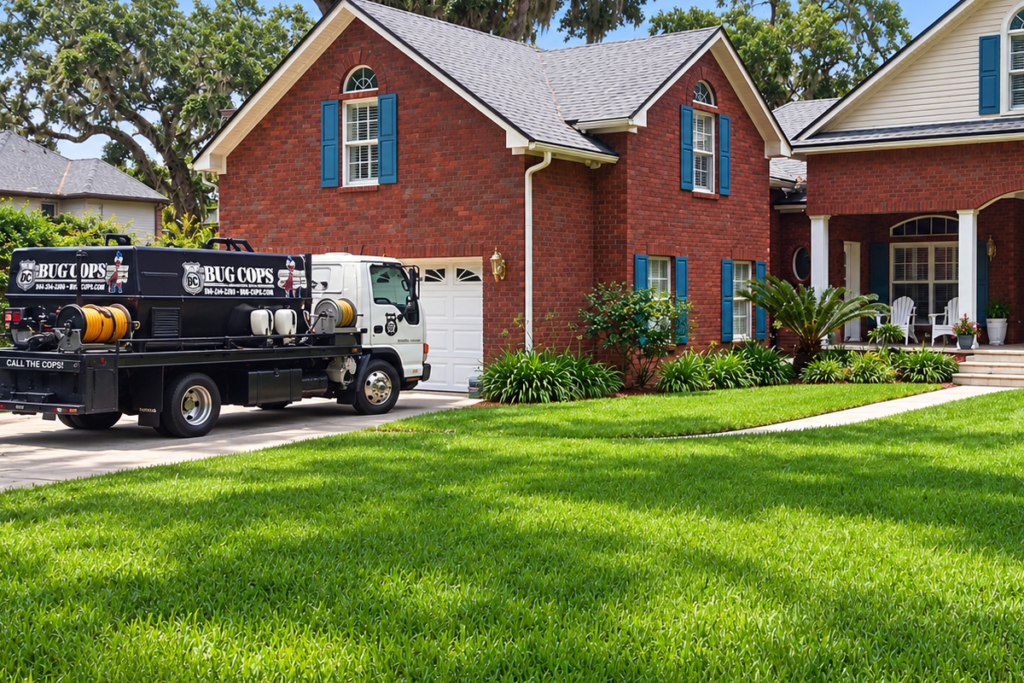
Bug Cops provides lawn and ornamental care at North Florida residential properties. Therefore, each service begins with understanding the property’s needs.
Caring for Turf & Ornamentals
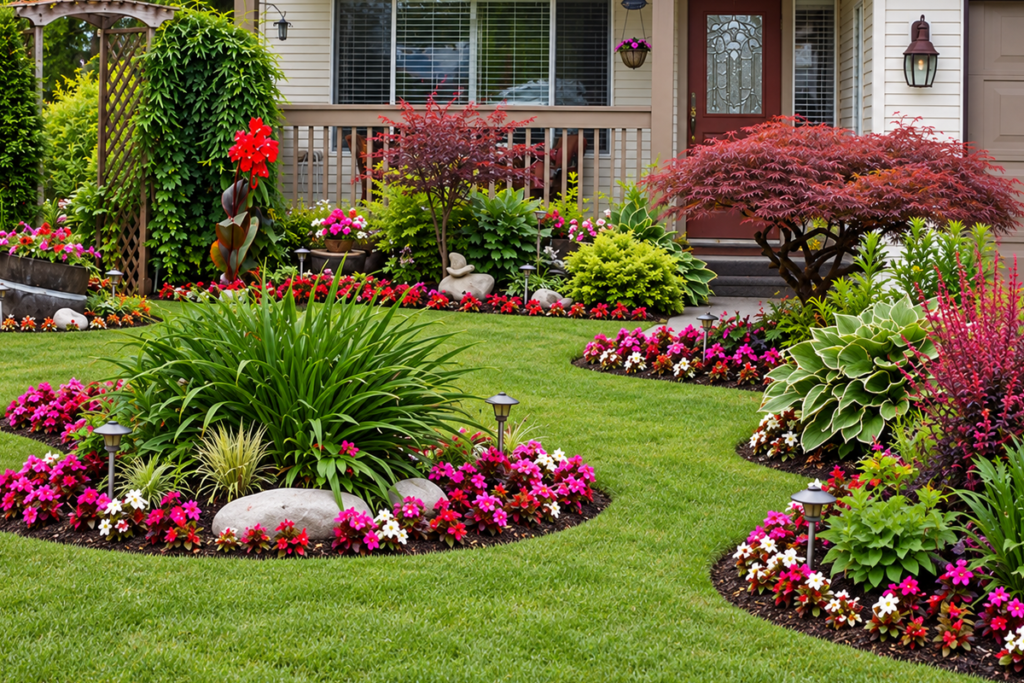
Healthy turf and ornamental plantings are evaluated together. As a result, treatment recommendations consider the needs of the entire landscape.
Looking at the Whole Property
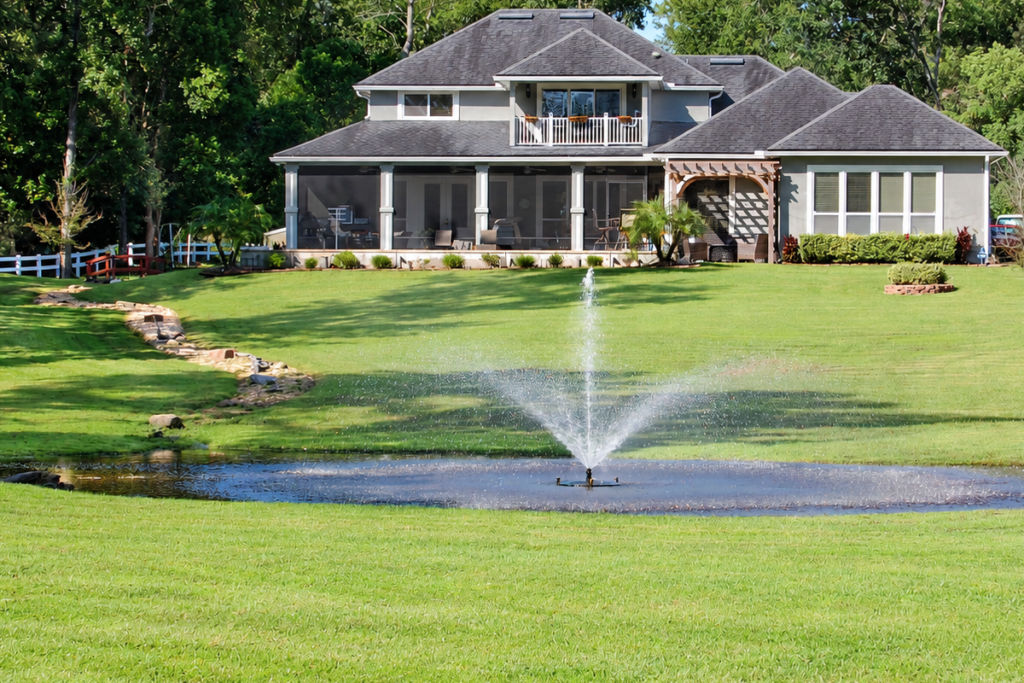
Lawn conditions can vary across a property due to irrigation, drainage, sunlight, and soil conditions. For example, shaded areas may respond differently than areas receiving full sun.
Actual Bug Cops Lawn and Ornamental field service photos from Clay & Putnam Counties.
Lawn and Ornamental Care for North Florida
North Florida’s long growing season creates its own challenges for lawns and landscapes. For example, heat, humidity, heavy rainfall, drought, sandy soils, changing pest pressure, and year-round weed activity can influence how turf and ornamental plants respond throughout the year. For additional information about Florida landscapes and growing conditions, homeowners can explore resources from the University of Florida’s UF/IFAS Extension.
A landscape that performs well during one season may need something different as temperatures, rainfall, plant growth, and pest activity change. That’s why effective lawn and ornamental care must respond to current conditions at the property, rather than simply follow the calendar.
Bug Cops provides lawn and ornamental care throughout Clay and Putnam Counties. As a result, our programs reflect the conditions we encounter in local lawns and landscapes.

Protection Note: North Florida doesn’t provide the same growing conditions twelve months a year. Therefore, our approach to lawn and ornamental care adjusts as weather, plant needs, and property conditions change.
Need Help With Your Lawn or Landscape Plants?
Yellowing grass, damaged ornamental plants, declining palms, or unhealthy cycads can have several different causes. Identifying the conditions affecting your landscape is the first step toward determining appropriate care.
Let Bug Cops take a closer look.
Healthy landscapes begin with understanding what they need. Bug Cops Pest Control provides specialized care for lawns, ornamental plants, palms, and cycads throughout Clay and Putnam Counties, Florida. Our recommendations are based on the conditions we find at your property.