
Earwig Identification Guide for Clay & Putnam Counties
This Earwig Identification Guide will help you recognize earwigs found around North Florida homes, understand where they may be hiding, identify signs of activity, and distinguish between common Florida earwigs.
Earwigs are elongated insects best recognized by the distinctive forceps-like appendages at the rear of the abdomen. In addition, they are primarily active at night and commonly spend daylight hours hidden in dark, protected locations.
In Florida, the ringlegged earwig (Euborellia annulipes) is the most common earwig and the species most likely to be considered a nuisance around homes. However, other earwigs, including Doru species, also occur in Florida and may be beneficial predators of other insects.
However, seeing an earwig does not automatically mean there is a pest problem. Where the insect was found, its physical features, moisture conditions, and whether activity keeps recurring can all provide useful identification clues.
Not sure what kind of earwig you’ve found? Take a clear photo and send it to Bug Cops. We’ll help you take a closer look at your suspect.
What Do Earwigs Look Like?
This Earwig Identification Guide highlights the distinctive features that can help identify earwigs. This Earwig Identification Guide highlights the distinctive features that can help identify earwigs.
Earwigs typically have:
- Six legs
- An elongated, flattened body
- Long antennae
- Forceps-like cerci at the rear
- Brown to dark-brown coloration
- Quick movement when disturbed
- Mostly nighttime activity
- A tendency to hide during the day
One of the strongest identification features is the pair of forceps-like cerci at the tip of the abdomen. Their shape can vary by species, sex, and age, so the forceps alone should not be used to determine the exact species.
Body color and wings provide additional clues. Ringlegged earwigs are dark brown, wingless, and commonly have pale legs marked with darker bands. Doru earwigs have wings and distinctive tan-colored markings that can help separate them from ringlegged earwigs.

Identification Note: Start with the rear forceps, but look at several features together. Body color, leg markings, wings, antennae, size, and where the insect was found can provide stronger identification clues.
Ringlegged Earwig vs. Doru Earwig
Ringlegged and Doru earwigs both occur in Florida, but their appearance and behavior differ. Looking at wings, body markings, leg coloration, and where the insect is found can help distinguish them.
Ringlegged Earwig
Euborellia annulipes
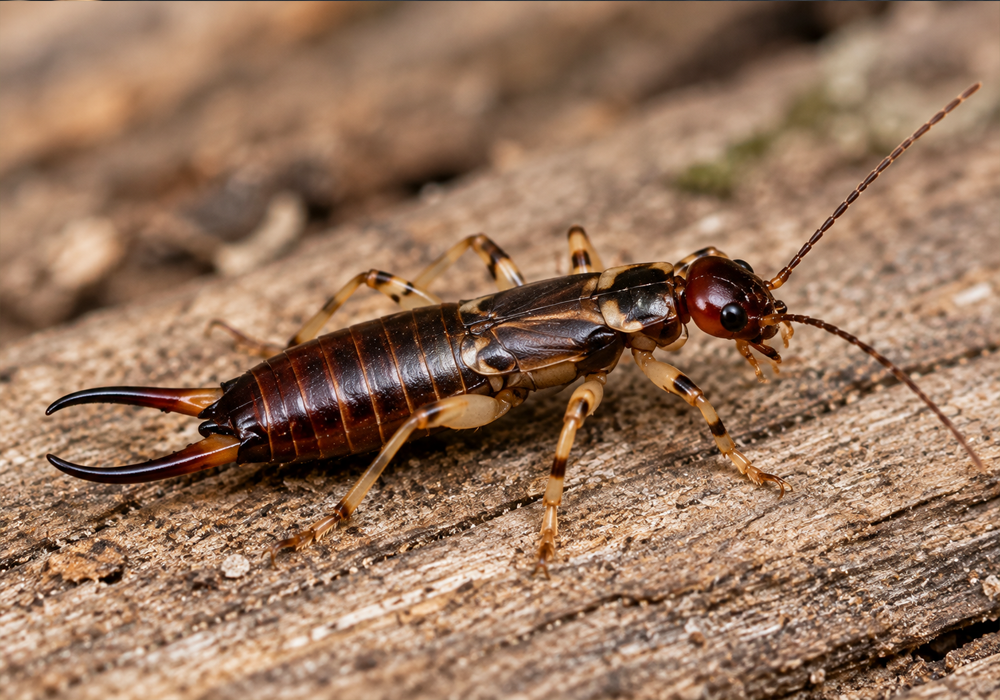
This species is dark brown and wingless. Its pale yellowish or brown legs commonly have darker bands that give it the “ringlegged” appearance.
This species is primarily active at night and spends the day hiding in protected locations. It may occur around mulch, leaf litter, debris, cracks, crevices, and other dark, sheltered areas.
The ringlegged earwig is the most common earwig in Florida and the species most likely to become a nuisance around homes.
Doru Earwig
Doru spp.
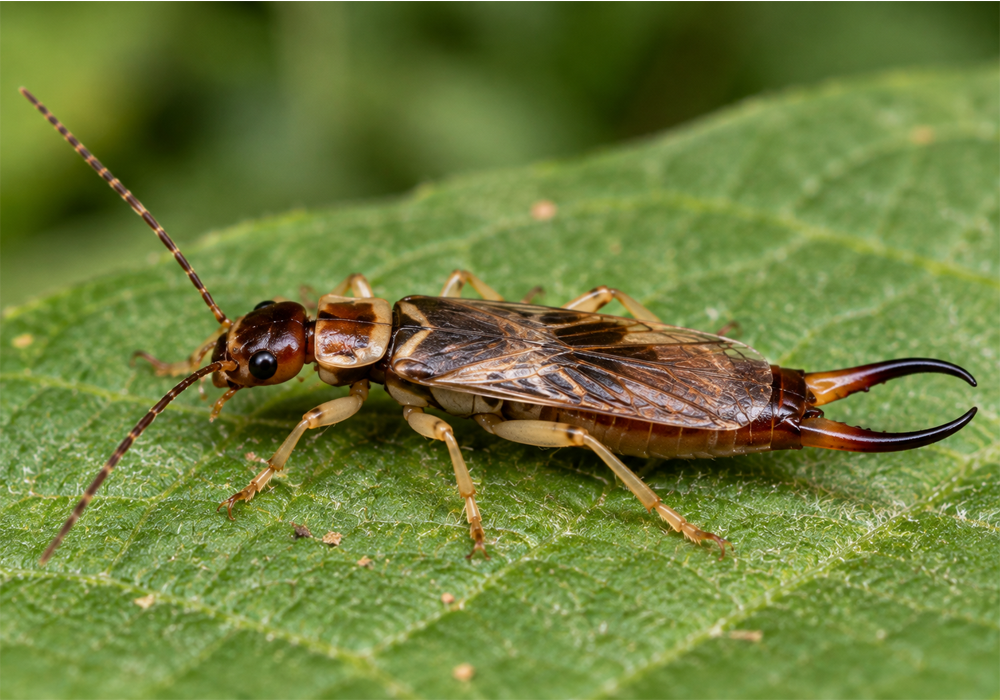
Doru earwigs differ from ringlegged earwigs because they have wings. Tan-colored markings on the pronotum and front wings can also help distinguish them.
In Florida, these earwigs occur around vegetation and agricultural environments, where they may feed on other insects.
These earwigs can be beneficial predators, particularly of caterpillars. Their presence does not automatically indicate a household pest problem.
Identification Note: Don’t identify an earwig by its rear forceps alone. Look for wings, body markings, leg coloration, habitat, and where the insect was found. Ringlegged earwigs are wingless with banded legs, while Doru earwigs have wings and may be beneficial predators.
Where Are Earwigs Found Around the Home?
Earwigs usually spend daylight hours in dark, protected, and relatively moist locations. However, they may also occur around landscaping and occasionally wander into structures, especially when suitable shelter is available nearby.
Mulch & Leaf Litter
Mulch, fallen leaves, plant debris, and other organic material can provide dark, protected hiding places where earwigs can remain during the day.
Under Logs, Boards & Debris
Earwigs may hide beneath logs, boards, stones, landscape materials, containers, and other objects that provide shelter from light and drying conditions.
Gardens & Vegetation
Earwigs may occur around plants, flowers, shrubs, gardens, and other vegetation. Specifically, some feed on plant material, while others prey on insects and other small organisms.
Cracks & Crevices
Narrow cracks, gaps, bark, landscape edging, and other protected spaces can provide daytime shelter. Earwigs may quickly retreat into these areas when disturbed.
Around Foundations & Entry Areas
Earwigs living near structures may occasionally enter through gaps around doors, foundations, utility penetrations, or other openings, particularly when outdoor conditions change.
Damp & Protected Indoor Areas
Homeowners may encounter earwigs that wander indoors in bathrooms, garages, utility areas, storage spaces, or other protected locations. However, indoor sightings do not necessarily mean they are reproducing inside the home.
For more information about earwigs found around Florida homes, visit the UF/IFAS Extension Ringlegged Earwig resource.
The location of an earwig can provide an important identification clue. Look at moisture, nearby vegetation, mulch or debris, protected hiding spaces, and whether the insect appears indoors or outdoors when evaluating earwig activity.
Signs of Earwig Activity
This Earwig Identification Guide also covers signs that may reveal activity even when earwigs are hiding. Common signs include live earwigs, repeated nighttime sightings, activity beneath debris, plant feeding, and earwigs entering protected areas.
Live Earwigs
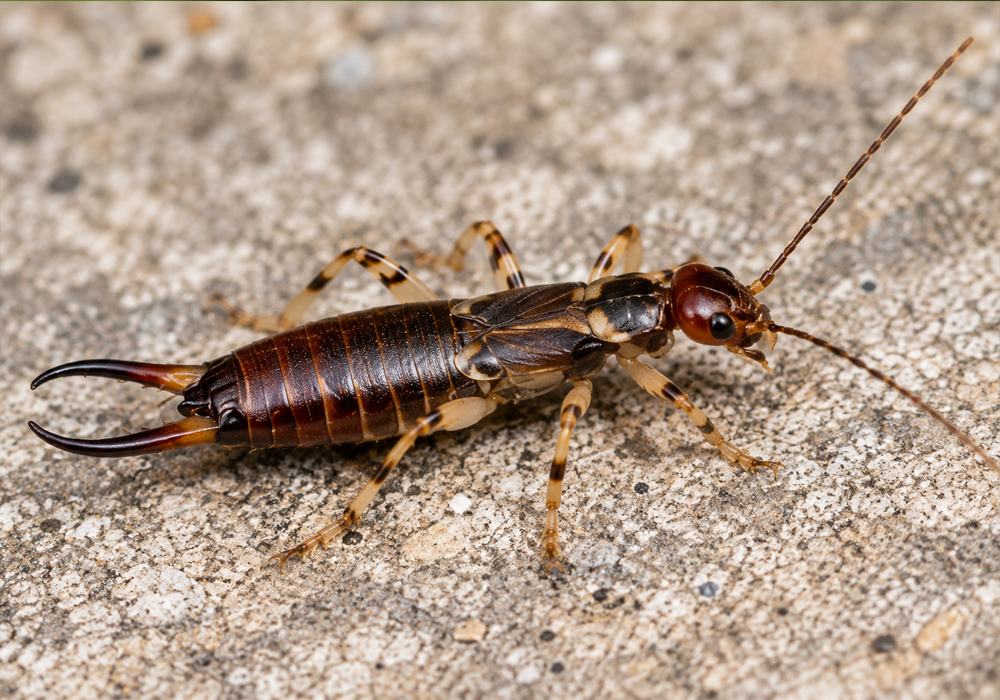
Seeing a live earwig is the clearest sign of activity. Look for the elongated body, long antennae, and distinctive rear forceps that separate earwigs from many other insects.
Earwigs Under Mulch & Debris
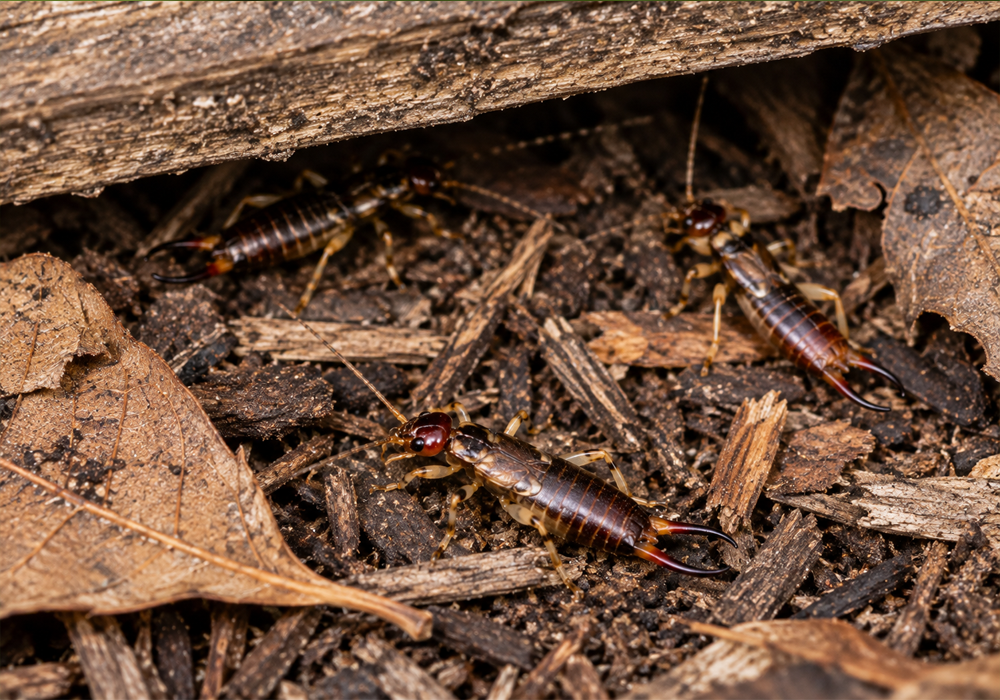
Moving mulch, leaves, boards, pots, stones, landscape materials, or other objects may uncover earwigs using these areas for dark daytime shelter.
Nighttime Activity
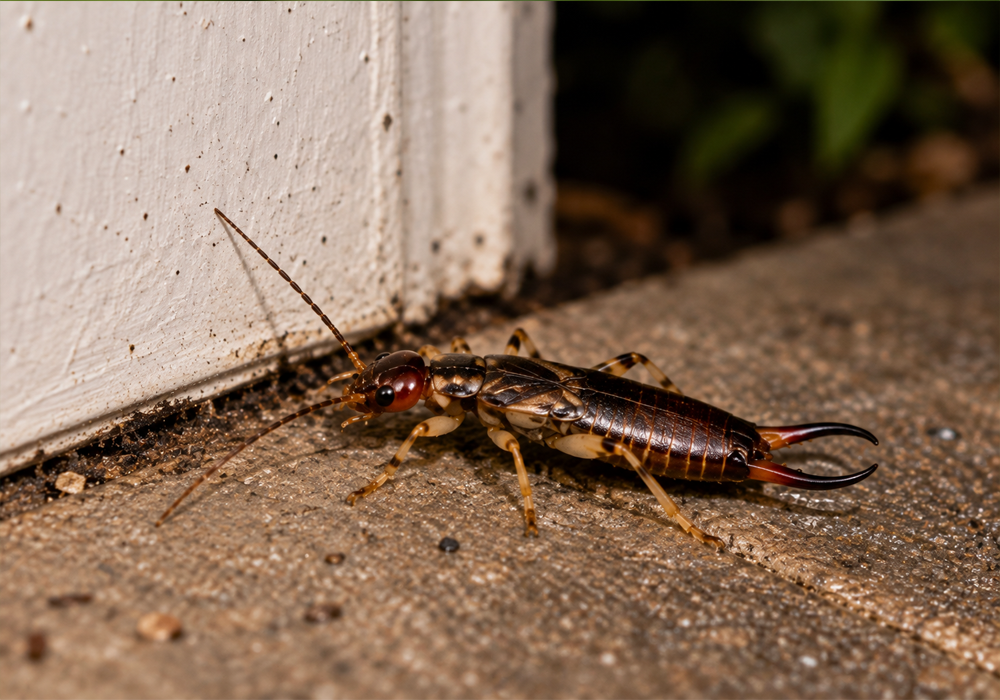
Because earwigs are primarily nocturnal, they may become more noticeable after dark when they leave protected hiding places to forage.
Plant Feeding Damage
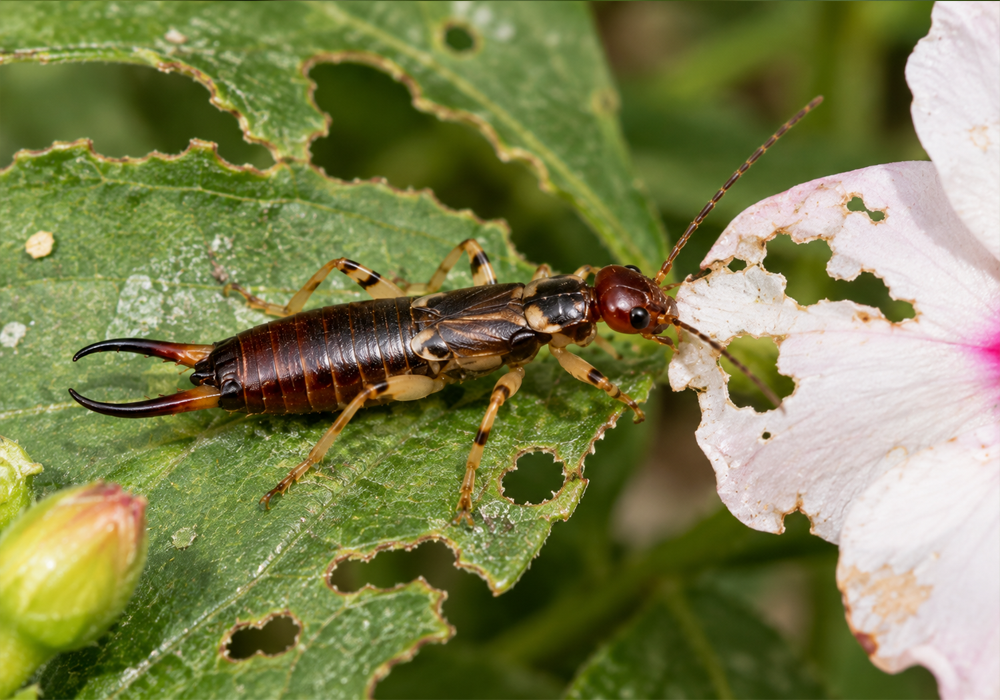
For example, some earwigs may feed on flowers, leaves, seedlings, fruits, or other plant material. However, plant damage alone should not be used to identify earwig activity because many other pests can cause similar damage.
Activity Near Moisture
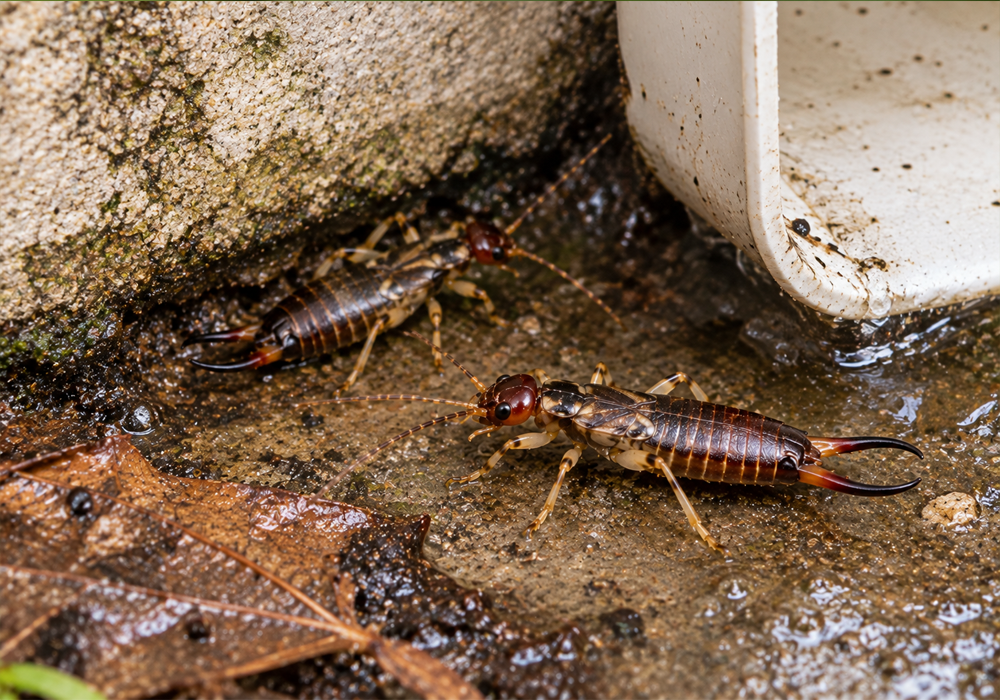
Recurring sightings around damp landscaping, irrigation areas, bathrooms, garages, utility areas, or other moisture-prone locations may indicate suitable hiding conditions nearby.
Earwigs Wandering Indoors
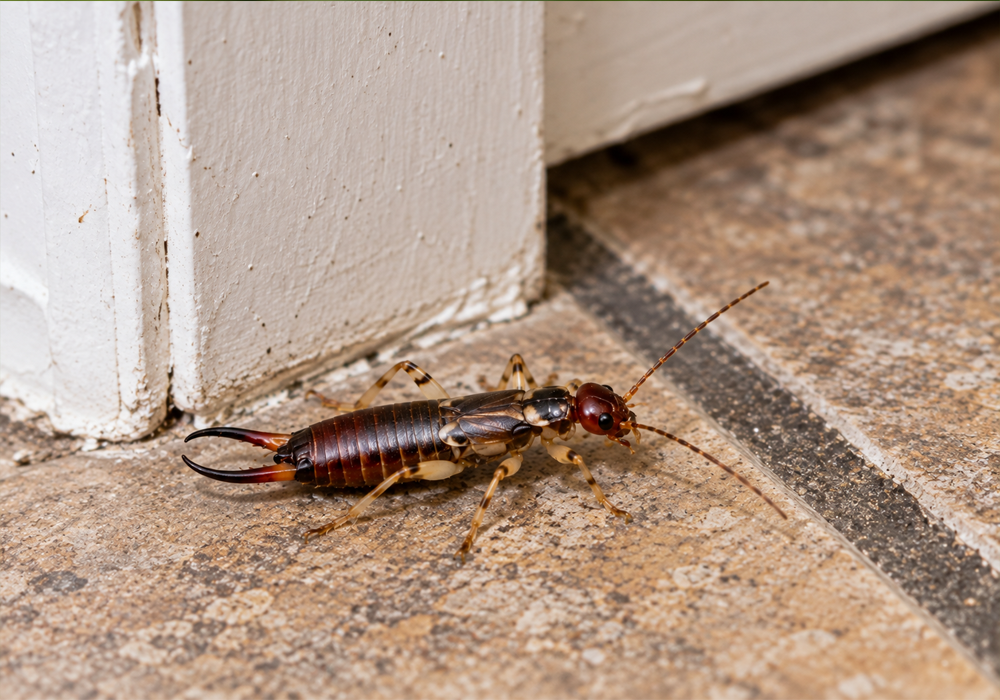
Small openings may allow earwigs to enter homes or other structures from nearby outdoor hiding areas. Indoor sightings can occur, but they do not necessarily indicate an indoor infestation.
Identification Note: Don’t rely on one sign alone. Look for live earwigs, rear forceps, nighttime activity, nearby moisture, protected hiding places, and where the insects are being found when evaluating possible earwig activity.
Why Am I Seeing Earwigs?
Earwigs usually appear around a property because they have found moisture, protected hiding places, organic debris, vegetation, or suitable food sources. In addition, changes in weather or outdoor conditions may cause earwigs to become more noticeable or move toward structures.
Moisture Is Available
Damp mulch, irrigation, leaking plumbing, condensation, shaded soil, and other moisture sources can create conditions that help earwigs avoid drying out.
Protected Hiding Places Are Available
Earwigs spend daylight hours concealed beneath mulch, leaves, boards, stones, containers, bark, and other sheltered materials.
Organic Debris Provides Shelter
Leaf litter, plant debris, wood, mulch, and accumulated organic material can provide protected spaces where earwigs can hide during the day.
Vegetation Is Nearby
Gardens, flowers, shrubs, groundcover, and other vegetation can provide earwigs with shelter and places to forage.
Food Sources Are Available
Depending on the species, earwigs may feed on decaying organic matter, plant material, or other small insects. Some earwigs are useful predators rather than pests.
Outdoor Conditions Have Changed
Heavy rain, dry weather, temperature changes, landscaping disturbance, or changes in available shelter may cause earwigs to move from established outdoor hiding places and become more noticeable.
Identification Note: If earwigs keep appearing, look beyond where you see the insect. Moisture, mulch and debris, vegetation, protected hiding places, food sources, and changing outdoor conditions can all influence earwig activity.
Ringlegged Earwig vs. Doru Earwig: Identification Clues
This Earwig Identification Guide compares ringlegged and Doru earwigs found in Florida. Comparing wings, leg markings, body coloration, habitat, and behavior can help distinguish between them.
Wings
Ringlegged Earwig: Wingless.
Doru Earwig: Has wings and can fly.
Leg Markings
Ringlegged Earwig: Pale yellowish or brown legs commonly marked with darker bands.
Doru Earwig: The distinctive dark-banded leg pattern of the ringlegged earwig is not the primary identification feature.
Body Appearance
Ringlegged Earwig: Primarily dark brown with an elongated body.
Doru Earwig: Winged appearance with tan-colored markings on the pronotum and front wings.
Typical Habitat
Ringlegged Earwig: Often associated with mulch, leaf litter, debris, protected ground-level spaces, and areas around structures.
Doru Earwig: Commonly associated with vegetation and agricultural environments.
Feeding Behavior
Ringlegged Earwig: Feeds on a variety of organic material and may occasionally damage plants.
Doru Earwig: An important predator of caterpillars and other insects.
Florida Relevance
Ringlegged Earwig: The most common earwig in Florida and the species most likely to become a nuisance around homes.
Doru Earwig: Also occurs frequently in Florida but may be beneficial because of its predatory behavior.
Identification Note: Rear forceps confirm that you’re looking at an earwig, but they don’t necessarily identify the species. Compare wings, leg markings, body coloration, habitat, and feeding behavior to help distinguish a ringlegged earwig from a Doru earwig.
When Should I Be Concerned About Earwigs?
Seeing an occasional earwig does not necessarily indicate a serious pest problem. However, repeated indoor sightings, increasing numbers, recurring activity near entry points, plant damage, or persistent moisture conditions can warrant closer attention.
Earwigs Keep Appearing Indoors
Repeatedly finding earwigs in bathrooms, garages, utility areas, storage spaces, or other indoor locations may indicate that insects are regularly entering from nearby outdoor hiding areas.
Numbers Are Increasing
In addition, seeing earwigs more frequently or finding several insects in a short period can indicate that nearby conditions are providing suitable shelter.
Activity Is Near Entry Points
Repeated sightings around doors, foundations, utility penetrations, windows, or other openings can help identify where earwigs may be entering the structure.
Plant Damage Is Increasing
Fresh feeding damage on flowers, leaves, seedlings, or other plant material deserves a closer look. However, the insect should be identified because many pests can cause similar plant damage.
Moisture Conditions Persist
Recurring activity around damp mulch, irrigation areas, plumbing, shaded soil, or other moisture-prone locations may indicate that suitable conditions remain nearby.
Earwigs Are Concentrated Near the Home
As a result, large numbers beneath mulch, landscape materials, containers, boards, or debris immediately around the structure may increase the chance of earwigs wandering indoors.
Not sure whether the insect or damage you’re seeing is from earwigs? Bug Cops Pest Control offers free home inspections to help identify what you’re dealing with and determine the appropriate next step.

Inspection Note: Recurring earwig activity can provide important clues. We look at where earwigs are appearing, nearby moisture and hiding places, possible entry points, outdoor conditions, and whether activity is isolated or repeatedly occurring around the property.
Earwig Identification Guide FAQs
Earwigs favor dark, protected locations where moisture and shelter are available. Mulch, leaf litter, landscape debris, vegetation, boards, containers, and other protected materials around a home can provide suitable hiding places.
Earwigs are not considered dangerous to people. Their rear forceps may look intimidating, but earwigs do not seek out people to attack. They are primarily scavengers or predators and usually try to hide when disturbed.
As a result, gaps around doors, foundations, utility penetrations, windows, and other openings may provide access.
Some earwigs may feed on flowers, leaves, seedlings, fruits, or other plant material. However, plant damage alone does not confirm earwig activity because many other insects can cause similar damage. Some earwig species are also beneficial predators.
Ringlegged earwigs are dark brown, wingless, and commonly have pale legs with darker bands. However, Doru earwigs have wings and tan-colored markings and may be beneficial predators of caterpillars and other insects.
Not Sure If You’ve Found an Earwig?
This Earwig Identification Guide can help when earwigs are confused with other insects. Body shape, rear forceps, wings, leg markings, coloration, and where the insect was found can all provide useful identification clues.
If you’ve found an insect or damage you don’t recognize, take a clear photo and send it to Bug Cops. In addition, we can help you take a closer look at your suspect.
Protecting & Serving Clay and Putnam Counties Since 1993
If earwig activity keeps returning around your home or property, Bug Cops Pest Control can help identify the insect, evaluate where activity may be occurring, and determine whether moisture, hiding places, entry points, or outdoor conditions may be contributing.
Free home inspections are available if you’d like us to take a closer look.