
Occasional Invaders Identification Guide for Clay & Putnam Counties
This Occasional Invaders Identification Guide will help North Florida homeowners identify some of the unexpected pests that may wander into or appear around homes and buildings.
Pests found around homes generally fall into two broad groups. Some are structural pests that can become established in or around a building and may damage property, contaminate food, or create other ongoing concerns. Others are known as occasional invaders because they normally live outdoors and enter structures only from time to time.
Occasional invaders may slip through cracks, gaps around doors and windows, utility openings, vents, foundations, and other small access points. Some enter while searching for moisture or protected shelter. Others become more noticeable when weather or outdoor conditions change, while certain insects may gather around exterior lights and eventually find their way indoors.
Many occasional invaders are primarily nuisance pests and do not pose a significant threat to a home or its contents. However, repeated activity should not automatically be ignored. Frequent sightings can reveal moisture, openings in the structure, heavy pest populations around the foundation, or sheltered conditions that make entry easier. Those same conditions may also provide opportunities for other pests that can cause more significant problems.
This Occasional Invaders Identification Guide covers six suspects homeowners may encounter around North Florida properties: centipedes, millipedes, stink bugs, ground beetles, boxelder bugs, and pill bugs. Each suspect has its own section so you can compare what you found, where you found it, and the conditions surrounding the activity.
Not sure what wandered in? Take a clear photo and send it to Bug Cops. We’ll help you take a closer look at your unexpected visitor.
For more information about pests that may occasionally enter Florida homes and buildings, visit the UF/IFAS Pests that Occasionally Invade Structures resource.
Common Occasional Invaders in North Florida
This Occasional Invaders Identification Guide includes six different suspects that may appear around North Florida homes. Start with body shape, number of legs, markings, movement, and where the pest was found, then select a suspect below for more identification clues.
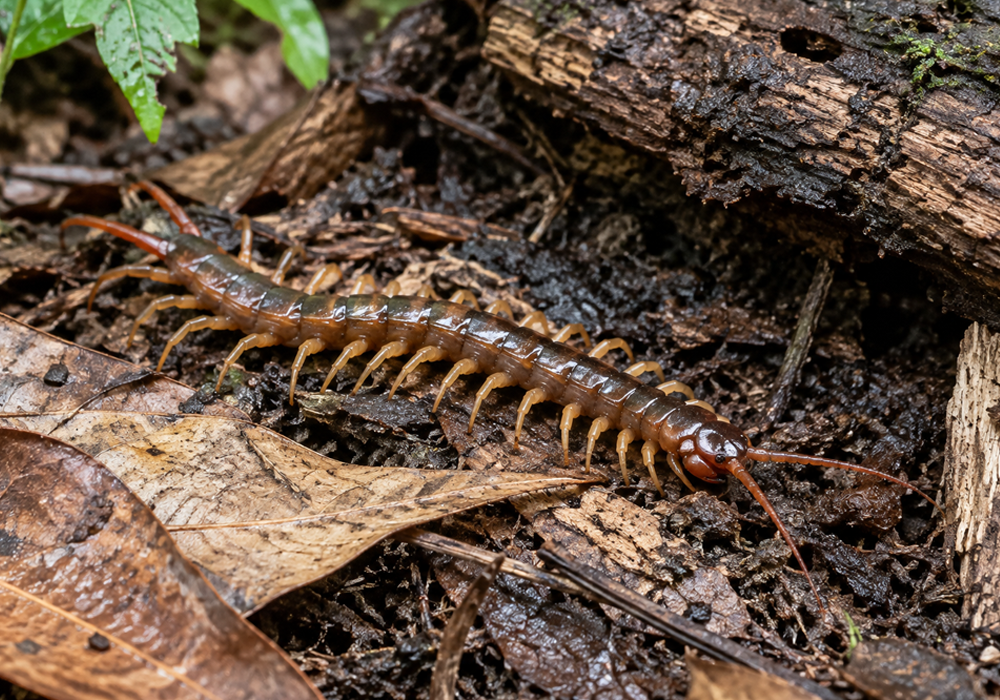
Centipedes
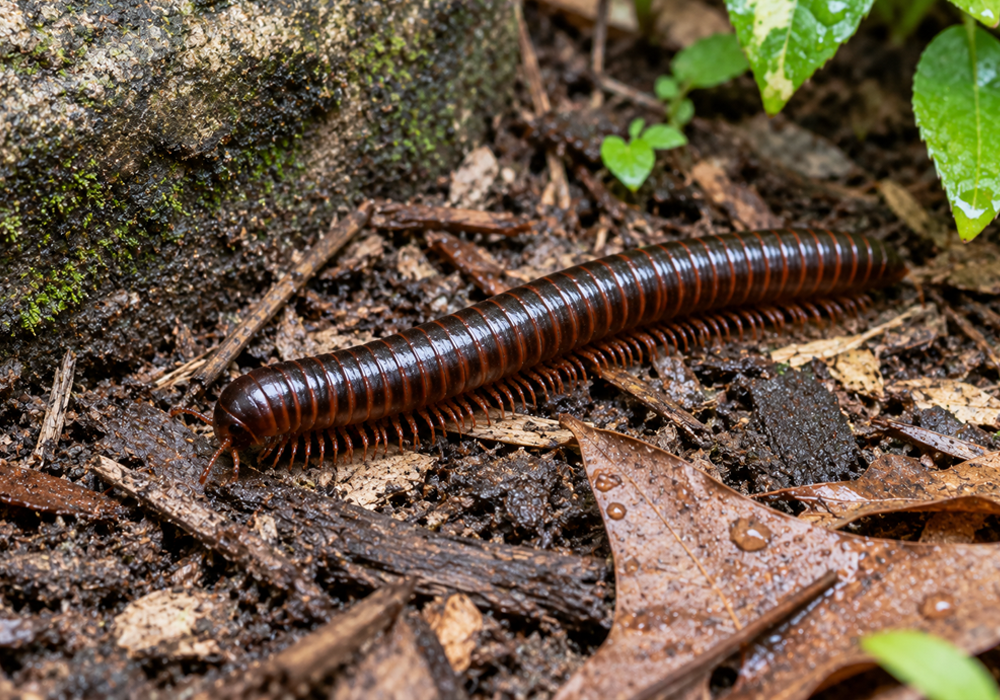
Millipedes
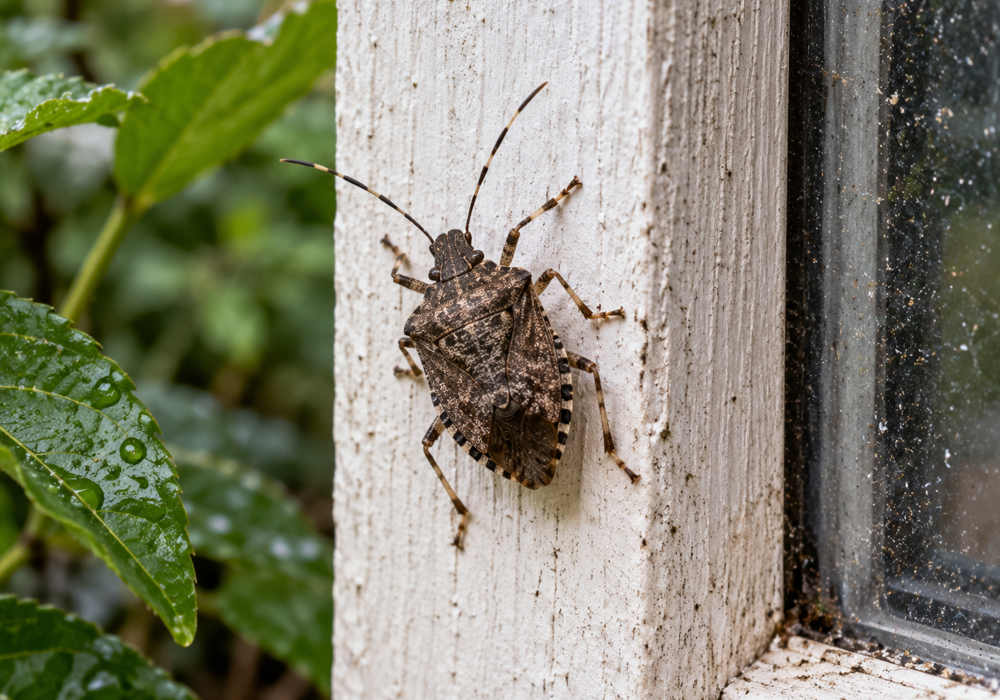
Stink Bugs
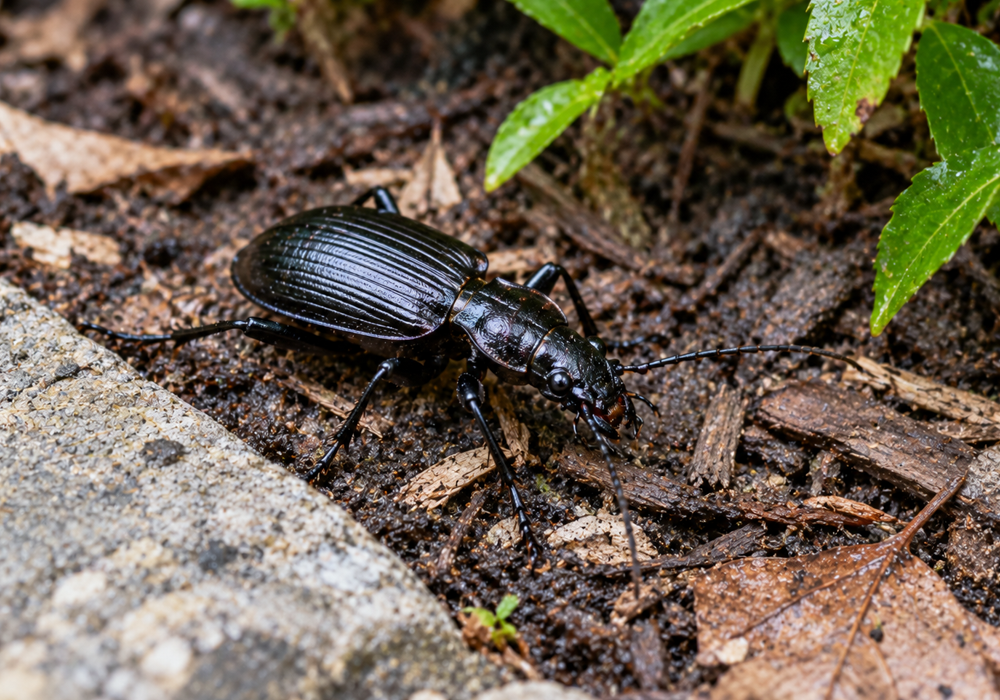
Ground Beetles
Boxelder Bugs
Pill Bugs
Seeing an occasional invader repeatedly around your home? Visit our Pest Control Services page to learn how Bug Cops investigates activity and the conditions that may be supporting it.
Occasional Invaders: Centipedes
This Occasional Invaders Identification Guide includes centipedes, fast-moving predators with flattened, segmented bodies and one pair of legs per body segment. They normally live outdoors in dark, protected areas where moisture and prey are available. Around North Florida homes, they may be found beneath logs, bark, stones, leaf litter, mulch, landscape materials, and other damp shelter. Occasionally, a centipede may wander indoors and appear in bathrooms, closets, garages, or other protected areas.
Unlike many occasional invaders, centipedes are predators rather than plant feeders or decomposers. They feed on insects, spiders, and other small animals, so their presence can sometimes indicate that suitable prey is nearby. Although most encounters are simply a nuisance, larger centipedes can bite if handled or trapped against the skin. For that reason, avoid picking up an unidentified centipede with bare hands.
Identification Clues
Look for a flattened, segmented body with one pair of legs per body segment. Centipedes also have long antennae and move quickly when disturbed. Depending on the species, body color and size can vary, so use several features together for identification.
Where They’re Found
Outdoors, centipedes commonly shelter beneath logs, bark, stones, leaf litter, mulch, boards, and other protected materials. Indoors, they may appear in bathrooms, closets, garages, crawlspaces, or other areas where moisture and shelter are available.
Signs & Activity
A live centipede is usually the most noticeable sign. Because centipedes are primarily active at night, homeowners may occasionally discover one moving across a floor or hiding in a dark, protected area during the day.
Why You’re Seeing Them
Centipedes may become noticeable where moisture, shelter, and insect prey are available. In addition, weather changes or disturbance of outdoor hiding places can cause them to move into new areas or occasionally wander indoors.
When to Be Concerned
An occasional centipede indoors does not necessarily indicate an infestation. However, repeated sightings or increasing numbers may warrant a closer look at moisture conditions, possible entry points, and the availability of other insects they may be feeding on.
What to Check Around the Home
Check for damp mulch, leaf litter, stacked wood, landscape debris, plumbing moisture, foundation gaps, door openings, and other protected areas near the structure. Also, look for conditions that may be supporting insects and spiders that provide prey for centipedes.

Identification Note: Don’t rely on the number of legs alone. Look for a flattened, segmented body, one pair of legs per body segment, long antennae, quick movement, and where the animal was found. These clues can help distinguish a centipede from millipedes and other many-legged occasional invaders.
Occasional Invaders: Millipedes
This Occasional Invaders Identification Guide includes millipedes, slow-moving arthropods with rounded, segmented bodies and two pairs of legs on most body segments. They normally live outdoors in moist areas containing decaying organic matter. Around North Florida homes, they may shelter beneath mulch, leaf litter, logs, stones, flower pots, boards, and other damp landscape materials.
Unlike centipedes, millipedes are not fast-moving predators. They feed primarily on decaying plant material and often curl into a tight coil when disturbed. After periods of heavy rain, changing temperatures, or other environmental conditions, millipedes may leave their normal habitat and sometimes appear around foundations or enter buildings in noticeable numbers.
Identification Clues
Look for a rounded, segmented body with many short legs. Millipedes generally have two pairs of legs on most body segments and move much more slowly than centipedes. In addition, many species curl into a coil when disturbed.
Where They’re Found
Outdoors, millipedes favor moist soil, mulch, leaf litter, decaying vegetation, logs, stones, boards, and flower pots. Around structures, they may gather near foundations, patios, garages, doorways, and other protected areas.
Signs & Activity
Individual millipedes may be found crawling across patios, foundations, garage floors, or other surfaces. However, large numbers appearing within a short period are especially noticeable and may follow changes in weather or moisture conditions.
Why You’re Seeing Them
Millipedes depend on moisture and decaying organic material for suitable habitat. As a result, heavy mulch, leaf litter, damp landscaping, and periods of wet weather can support activity near a home. Changing conditions may also cause them to leave these areas and wander toward structures.
When to Be Concerned
A few millipedes around a property are generally a nuisance rather than a structural threat. However, repeated indoor sightings or large migrations around the foundation may warrant a closer look at moisture, landscaping conditions, and possible entry points.
What to Check Around the Home
Inspect heavy mulch, accumulated leaves, damp soil, landscape debris, flower pots, foundation gaps, door thresholds, and areas where water collects. Also, check whether excessive moisture or thick organic material is creating favorable habitat immediately beside the structure.
Identification Note: Body shape and movement provide useful clues when separating millipedes from centipedes. Look for a rounded body, numerous short legs, slower movement, and the tendency to curl into a coil when disturbed. Where the animal was found can provide another important identification clue.
Occasional Invaders: Stink Bugs
This Occasional Invaders Identification Guide includes stink bugs, true bugs best recognized by their broad, shield-shaped bodies. Florida has several species that vary in color, markings, and feeding habits. Most live outdoors on plants, where they use piercing-sucking mouthparts to feed on plant material or, depending on the species, other insects.
Their common name comes from the strong odor they can release when disturbed or crushed. Around homes, stink bugs may be noticed on exterior walls, windows, doors, screens, or nearby vegetation. Occasionally, one may wander indoors through a small opening. Because several stink bug species occur in Florida, color alone should not be used for identification.
Identification Clues
Start with the distinctive shield-shaped body, six legs, and long segmented antennae. Coloration may range from green or brown to more strongly patterned combinations. Therefore, compare overall body shape, markings, antennae, and where the insect was found.
Where They’re Found
Outdoors, stink bugs are commonly associated with plants, shrubs, trees, gardens, and other vegetation. Around structures, they may appear on exterior walls, screens, windows, doors, or other surfaces close to landscaping.
Signs & Activity
A live stink bug on vegetation or a structure is usually the most obvious sign. In addition, homeowners may notice individual bugs gathering on exterior surfaces or occasionally wandering indoors.
Why You’re Seeing Them
Nearby vegetation can support stink bug activity because many species feed or hunt on plants. Additionally, seasonal changes, exterior lighting, and small openings around a structure may increase the chance of encountering them near or inside a home.
When to Be Concerned
An occasional stink bug indoors is generally more of a nuisance than evidence of a structural infestation. However, repeated sightings or noticeable numbers around windows, doors, or exterior walls may justify checking how the insects are reaching the structure.
What to Check Around the Home
Look around windows, doors, screens, siding gaps, utility openings, exterior lights, and vegetation touching or growing close to the structure. Also, inspect damaged screens or other small openings that may provide an easy route indoors.
Identification Note: A shield-shaped body is an important clue, but several stink bug species occur in Florida. Compare body shape, coloration, markings, antennae, nearby vegetation, and where the insect was found rather than identifying a stink bug by color alone.
Seeing an occasional invader repeatedly around your home? Visit our Pest Control Services page to learn how Bug Cops investigates activity and the conditions that may be supporting it.
Occasional Invaders: Ground Beetles
This Occasional Invaders Identification Guide includes ground beetles, a large group of mostly dark-colored, fast-moving beetles that live and hunt at ground level. Many have shiny black or brown bodies, hard wing covers with visible grooves, and long legs adapted for running. Around North Florida properties, they commonly live beneath logs, stones, mulch, leaf litter, landscape debris, and other protected outdoor materials.
Most ground beetles are beneficial predators that feed on insects and other small organisms. They normally remain outdoors, but some are active at night and may wander toward buildings or exterior lights. Occasionally, a ground beetle slips through a doorway or another small opening and ends up indoors. Although their dark color and quick movement can be alarming, ground beetles are not structural pests.
Identification Clues
Look for a hard, elongated beetle body, six legs, visible antennae, and hardened wing covers. Many ground beetles are shiny black or dark brown and have grooves running along the wing covers. However, size and coloration vary among species.
Where They’re Found
During the day, ground beetles often shelter beneath logs, stones, mulch, leaves, boards, and landscape debris. At night, they become more active and may travel across lawns, patios, driveways, gardens, or other ground-level areas while searching for prey.
Signs & Activity
Fast-moving beetles seen traveling along the ground after dark may be ground beetles. In addition, homeowners may occasionally find one near a doorway, garage, exterior wall, or indoor area after it wanders away from its outdoor habitat.
Why You’re Seeing Them
Ground beetles may be common where shelter and insect prey are plentiful. Because many species are active at night, exterior lighting can also bring beetles and other insects closer to structures, increasing the chance of accidental indoor entry.
When to Be Concerned
An occasional ground beetle indoors usually represents an accidental visitor rather than an indoor infestation. However, repeated sightings may warrant checking doors, screens, foundation openings, exterior lighting, and conditions immediately around the structure.
What to Check Around the Home
Inspect door thresholds, garage doors, damaged screens, foundation gaps, exterior lights, mulch, leaf litter, stacked materials, and landscape debris. Also, look for openings at ground level that could allow wandering beetles to enter.
Identification Note: Don’t identify a beetle by dark color alone. Look for a hard beetle body, elongated shape, grooved wing covers, long running legs, nighttime activity, and where the insect was found. These clues can help separate ground beetles from cockroaches and other dark-colored occasional invaders.
Occasional Invaders: Boxelder Bugs
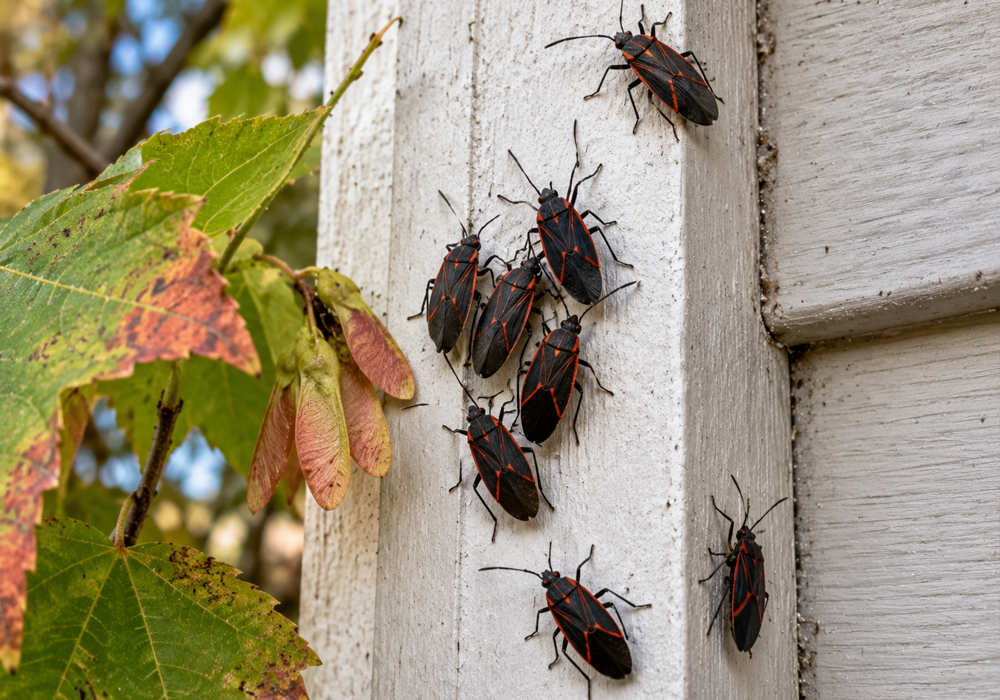
This Occasional Invaders Identification Guide includes boxelder bugs, distinctive insects with dark bodies marked by narrow red or orange lines along the thorax and wings. Adults have an elongated oval shape, six legs, and long antennae. They are associated with certain trees, including boxelder and other maples, where they feed primarily on seeds and plant material.
Around homes, boxelder bugs can become noticeable when they gather together on exterior walls and other warm, sunny surfaces. Seasonal changes may also cause them to seek protected shelter around buildings. Some eventually slip through cracks or gaps and appear indoors. Although their numbers can sometimes be impressive, boxelder bugs are primarily nuisance pests rather than insects that damage the structure.
Identification Clues
Look for a dark, elongated body with distinctive red or orange lines along the wings and thorax. Adults also have six legs and long antennae. Together, the contrasting markings and narrow body shape provide strong identification clues.
Where They’re Found
Outdoors, boxelder bugs may occur around boxelder trees, maples, vegetation, foundations, siding, windows, and other exterior surfaces. In addition, groups may gather on warm, sun-exposed portions of a building.
Signs & Activity
Clusters of black-and-red bugs resting on an exterior wall are one of the most noticeable signs. As conditions change, homeowners may also discover individual bugs around windows, doors, wall voids, or other protected areas.
Why You’re Seeing Them
Nearby host trees can support boxelder bug activity during the warmer months. However, seasonal changes may encourage the insects to gather on buildings and search for protected places to shelter, increasing the chance that some will enter through small openings.
When to Be Concerned
Boxelder bugs generally do not cause structural damage, but large numbers around a home or repeated indoor sightings can become a significant nuisance. Their presence may also reveal cracks, gaps, or other openings that allow insects to enter the structure.
What to Check Around the Home
Inspect window and door frames, siding gaps, soffits, vents, utility openings, damaged screens, and other exterior cracks or crevices. Also, look at nearby boxelder or maple trees and note where bugs are gathering on the structure.
Identification Note: The contrasting color pattern is one of the best clues for identifying an adult boxelder bug. Look for a dark elongated body, narrow red or orange markings, long antennae, group activity on sunny exterior surfaces, and nearby host trees. Use several clues together rather than relying on color alone.
Occasional Invaders: Pill Bugs
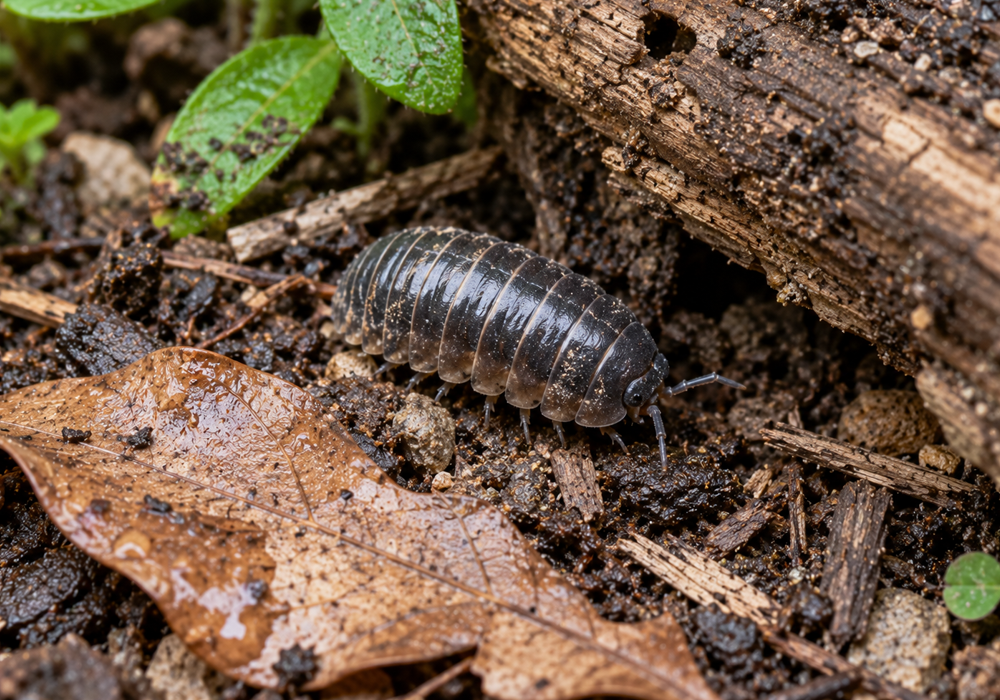
This Occasional Invaders Identification Guide includes pill bugs, small land-dwelling crustaceans with rounded, segmented bodies and seven pairs of legs. Their overlapping body plates create an armored appearance, and pill bugs can roll into a tight ball when disturbed. They require moist conditions and normally live outdoors where decaying organic material provides both food and shelter.
Around North Florida homes, pill bugs commonly occur beneath logs, mulch, leaf litter, stones, flower pots, landscape timbers, and other damp materials. Occasionally, they wander indoors through ground-level openings. Because they depend heavily on moisture, pill bugs that enter a dry indoor environment generally do not survive for long.
Identification Clues
Look for a small gray or dark body covered by rounded, overlapping plates. Pill bugs have seven pairs of legs and short antennae. Most noticeably, they can curl into a compact ball when disturbed, which helps distinguish them from many similar-looking organisms.
Where They’re Found
Outdoors, pill bugs favor damp soil, mulch, leaf litter, decaying wood, stones, flower pots, and other moisture-retaining materials. Around buildings, they may occur near foundations, patios, doorways, garages, or other ground-level areas.
Signs & Activity
Individual pill bugs may be noticed crawling through mulch, beneath landscape materials, or across patios and garage floors. After wet weather, increased activity may become more noticeable around foundations and other sheltered areas.
Why You’re Seeing Them
Pill bugs require high moisture and feed largely on decaying organic matter. As a result, damp landscaping, thick mulch, accumulated leaves, decaying wood, and poor drainage can create favorable habitat close to a structure.
When to Be Concerned
An occasional pill bug indoors is generally a nuisance rather than a structural threat. However, repeated sightings or large numbers near the foundation may point to excessive moisture or favorable outdoor habitat that deserves a closer look.
What to Check Around the Home
Inspect heavy mulch, leaf litter, decaying wood, flower pots, landscape timbers, drainage areas, foundation gaps, and door thresholds. Also, check for persistent moisture immediately beside the structure and openings that allow ground-level pests to wander indoors.
Identification Note: The ability to roll into a ball is one of the strongest clues for identifying a pill bug. Look for a rounded, plated body, seven pairs of legs, slow movement, moisture-rich habitat, and the curling response when disturbed. These features can help separate pill bugs from millipedes and other occasional invaders.
Occasional Invaders Identification Guide FAQs
Occasional invaders are pests that normally live outdoors but may enter homes and buildings from time to time. Unlike pests that become established indoors, many occasional invaders simply wander inside while searching for moisture, shelter, food, or protection from changing outdoor conditions.
Small openings around doors, windows, foundations, vents, utility lines, and other areas can provide access indoors. In addition, heavy rain, dry conditions, temperature changes, exterior lighting, or disturbances around outdoor hiding places may increase pest movement toward a structure.
Many occasional invaders are primarily nuisance pests and do not cause structural damage. However, the risks vary by species, so proper identification matters. Their presence can also reveal moisture, entry points, or outdoor conditions that may allow other pests to enter.
A sudden increase may follow changes in weather, moisture, landscaping, or outdoor pest populations. For example, heavy rain can disturb normal hiding places, while favorable habitat around the foundation may support larger numbers close to the home.
Start by checking doors, windows, screens, utility openings, foundation gaps, and other possible entry points. Also, reducing excessive moisture, accumulated leaves, heavy mulch, decaying wood, and other sheltered conditions near the structure can make the area less favorable for many occasional invaders.
Compare the pest’s body shape, number of legs, antennae, markings, movement, and where it was found. Because different occasional invaders can share similar colors or habitats, use several clues together. If you’re still unsure, take a clear photo and send it to Bug Cops for help identifying your suspect.
Not Sure What Wandered In?
This Occasional Invaders Identification Guide can help you compare some of the unexpected pests that may appear around North Florida homes. Because many occasional invaders share similar colors, habitats, or behaviors, body shape, number of legs, markings, movement, and where the pest was found can provide important identification clues.
If you’ve found an insect or other pest you don’t recognize, take a clear photo and send it to Bug Cops. In addition, we can help you take a closer look at your unexpected visitor.
Protecting & Serving Clay and Putnam Counties Since 1993
If occasional invaders keep appearing around your home or property, Bug Cops Pest Control can help identify what you’re seeing and evaluate conditions that may be contributing to the activity. Learn more about our pest control services for Clay and Putnam Counties. We can look for moisture, entry points, outdoor hiding places, exterior lighting, landscaping conditions, and other factors that may be bringing pests closer to the structure.
Free home inspections are available if you’d like us to take a closer look.