Termite Protection Services in Clay & Putnam Counties
Termites can remain active around a structure long before obvious signs appear. Bug Cops provides termite protection services for homes and businesses throughout Clay and Putnam Counties, beginning with a careful inspection to look for visible evidence of activity and conditions that may increase termite risk.
Because subterranean and drywood termites live and behave differently, proper identification matters before we recommend treatment. We’ll explain what we find, which type of termite activity is involved, and the protection or treatment appropriate for the property.
Protect Your Biggest Investment
Termites don’t need much space to reach a structure, and activity may remain hidden behind walls, beneath floors, or around other protected areas. Therefore, termite protection begins with knowing what to look for and understanding the conditions around the property.
Bug Cops termite protection services combine careful inspection, proper termite identification, and treatment recommendations based on what we actually find—not a one-size-fits-all approach.
Our Subterranean Termite Protection Program
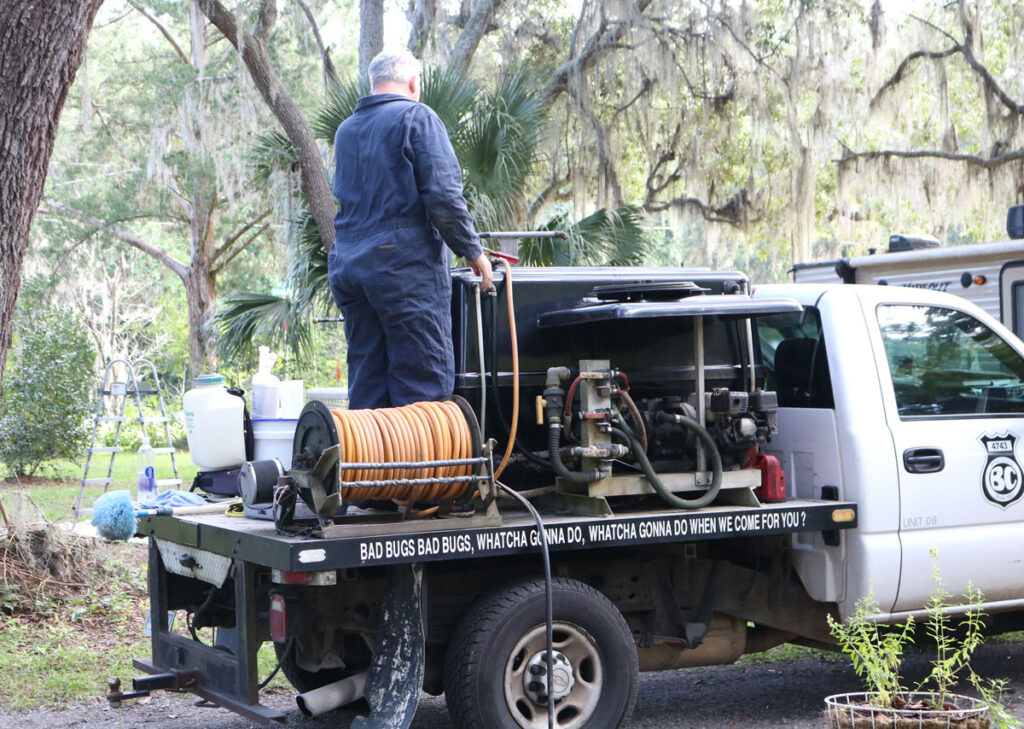
Subterranean termite protection begins with a professional inspection and a treatment plan based on the construction and conditions of the property. Bug Cops uses liquid termiticide treatments to establish protection in the soil around and, where necessary, beneath the structure. After treatment, our seven-year retreatment-only agreement provides continued protection when annual renewal and inspection requirements are maintained.

Termite Inspection
We inspect accessible areas for visible evidence of termite activity, damage, moisture, entry points, and other conditions that may increase termite risk.

Liquid Termite Treatment
When treatment is recommended, we use liquid termiticide applied according to the property and construction. Treatment may include trenching, rodding, and drilling where necessary to reach treated soil.


This is a retreatment-only termite agreement. If Bug Cops finds qualifying live subterranean termite activity while coverage remains active, we’ll retreat the active area at no additional charge. The agreement does not include repair or reimbursement for termite damage. Coverage is subject to the terms of the termite agreement.
Evidence Before Recommendations
Termite decisions should be based on evidence—not fear or pressure. Bug Cops has been Protecting & Serving since 1993. Our team knows to look beyond the obvious and evaluate the conditions surrounding a property.
We’ll explain what we inspected, show you visible evidence when it is accessible, and help you understand the difference between active termite activity, previous damage, and conditions that may increase future risk. If termite protection services are recommended, we’ll explain what we recommend and why.
Start With a Free Termite Inspection
Concerned about termite activity or looking for preventative protection? Start with a free inspection. We’ll examine accessible areas for visible evidence of termite activity, evaluate conditions around the property, and explain the appropriate next step based on what we find.
Signs You May Have Termites
Termites often remain hidden, but certain signs may indicate that a professional inspection is needed.
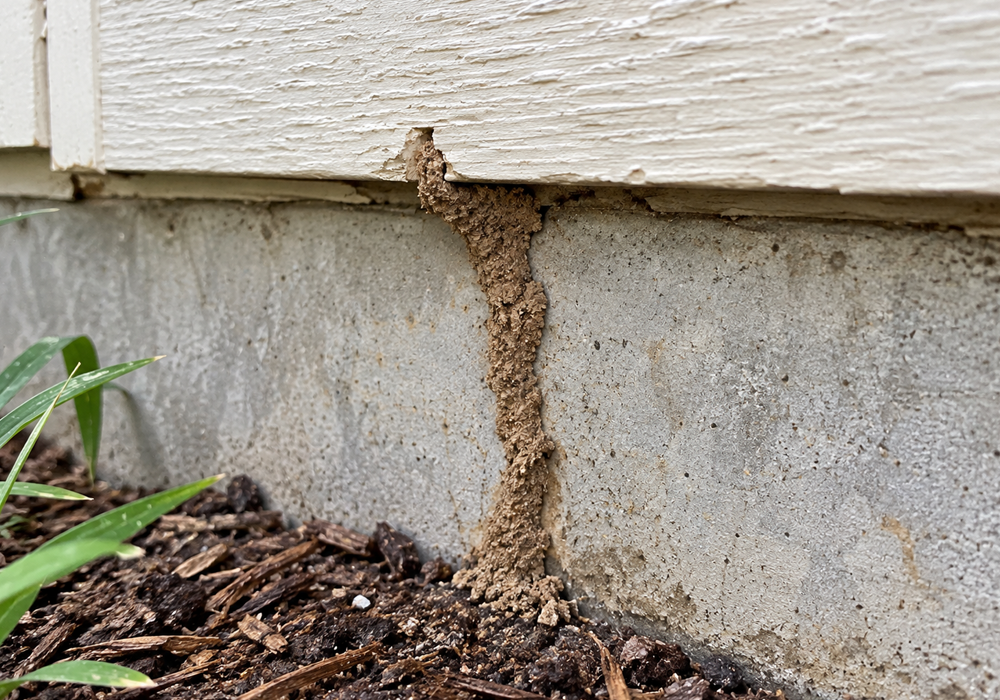
Termite Mud Tubes
Subterranean termites may build narrow mud tubes along foundations, walls, piers, or other structural surfaces as they travel between the soil and wood.
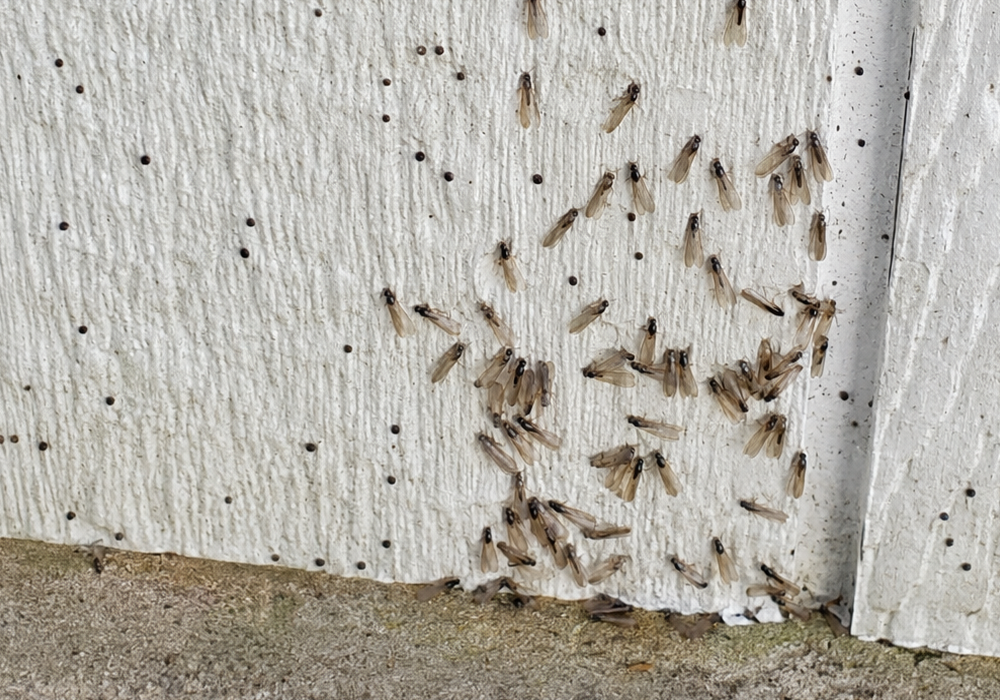
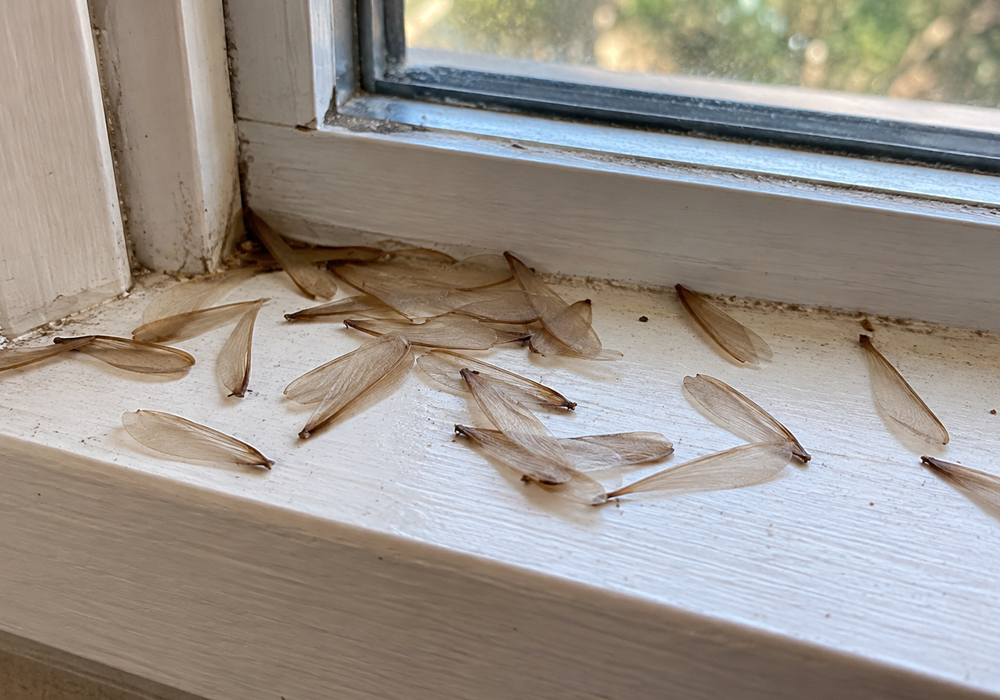
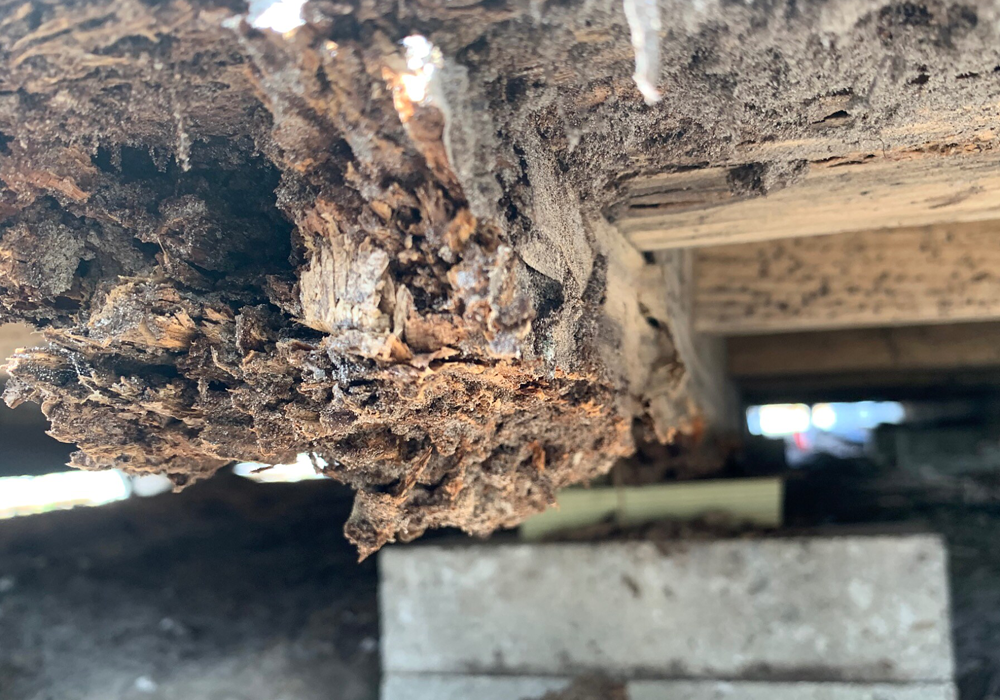
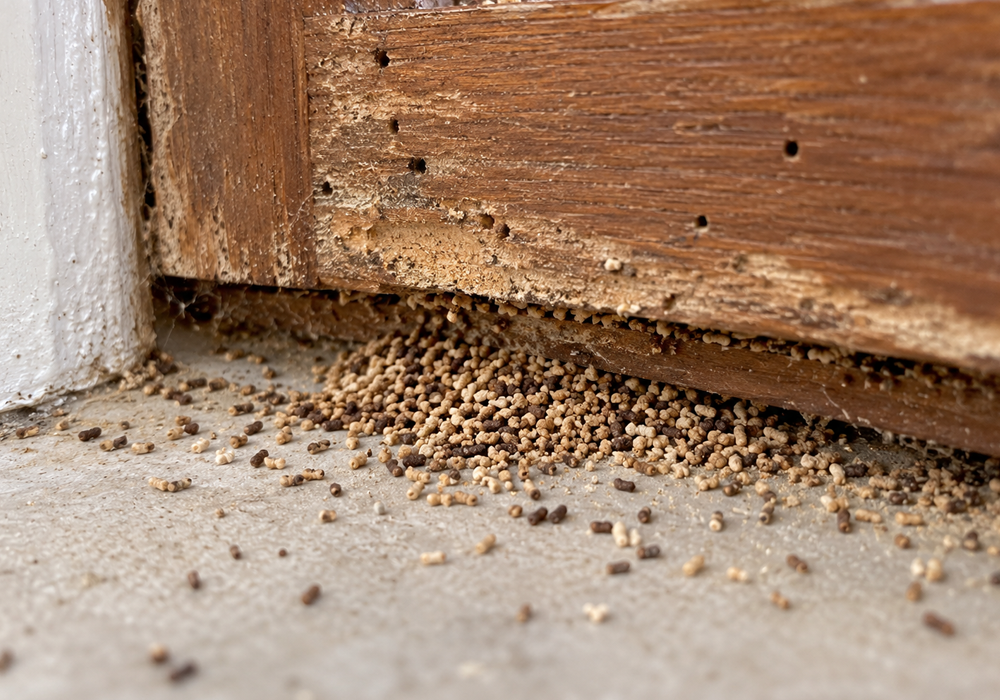
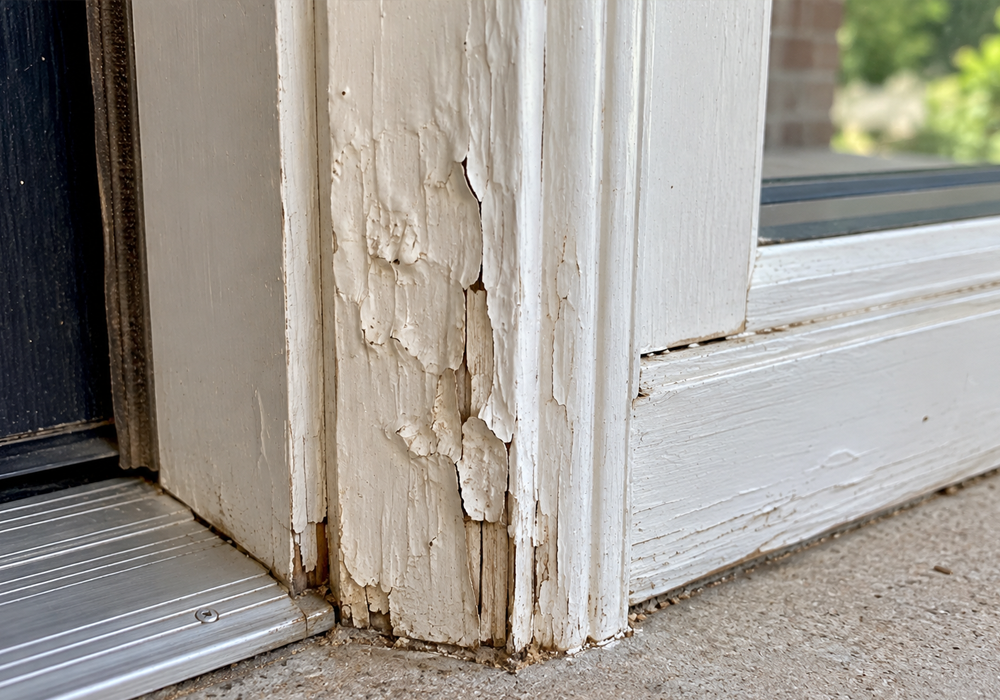
Some of these conditions can have causes unrelated to termites. A professional inspection is the best way to determine whether termites caused or contributed to the visible evidence.
Subterranean vs. Drywood Termites
Not all termites live or behave the same way. Subterranean termites live in the soil and travel between the ground and a structure, while drywood termites establish colonies within the wood they infest. Therefore, we first identify the type of termite activity before recommending the appropriate treatment. You can also use our Termite Identification Guide to compare common termite types and signs of activity.
Subterranean Termites
Subterranean termites live in colonies in the soil and travel to structures in search of cellulose. Mud tubes, swarmers, damaged wood, and activity around the foundation may provide clues to their presence.
Treatment Approach
Bug Cops uses liquid termiticide treatments for subterranean termite protection. Depending on the property’s construction, we may trench accessible soil, rod appropriate areas, or drill through concrete when necessary to reach the soil beneath it.
Following a qualifying complete treatment, our seven-year retreatment-only agreement provides continued protection when annual renewal and inspection requirements are maintained.
Drywood Termites
Drywood termites establish colonies within the wood they infest and do not require contact with the soil. Frass, swarmers, discarded wings, and activity within wood may provide clues to their presence.
Treatment Approach
Depending on the location and extent of activity, Bug Cops may use direct treatment of accessible raw wood, drill into affected wood or galleries, or apply foam treatment to targeted areas.
Drywood termite treatment is separate from our seven-year subterranean termite retreatment program.
How Liquid Treatment Supports Our Termite Protection Services
Every property is different, so the application method depends on the home’s construction and the areas that need to be treated. During the inspection, Bug Cops will explain the treatment recommended for your property and why.
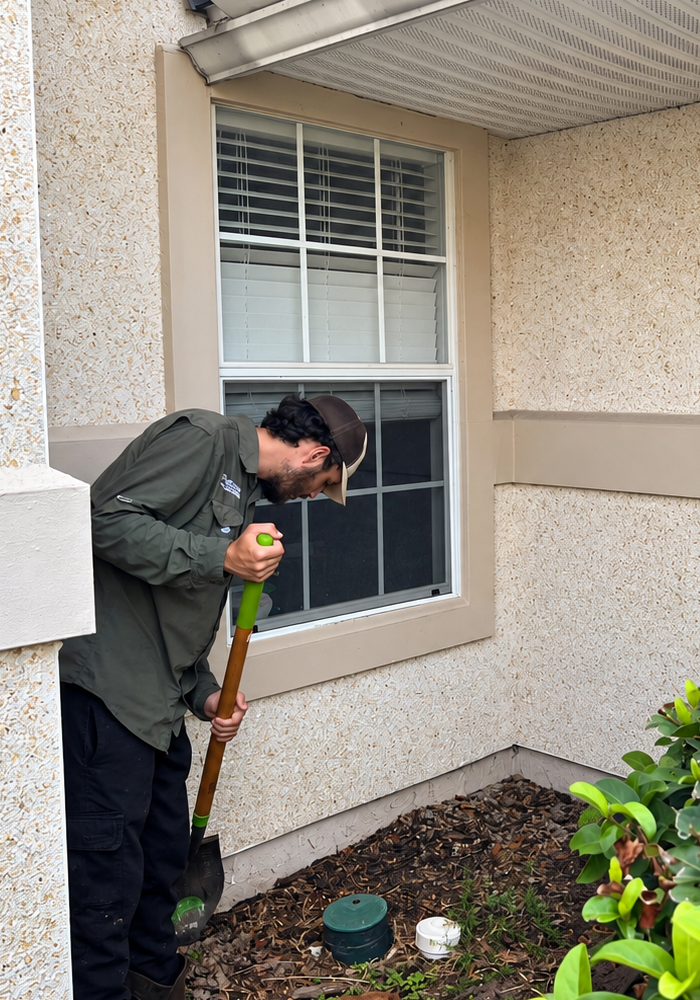
Trenching
Where soil is accessible along the foundation, we may create a shallow trench so we can apply liquid termiticide to the soil where subterranean termites may travel.
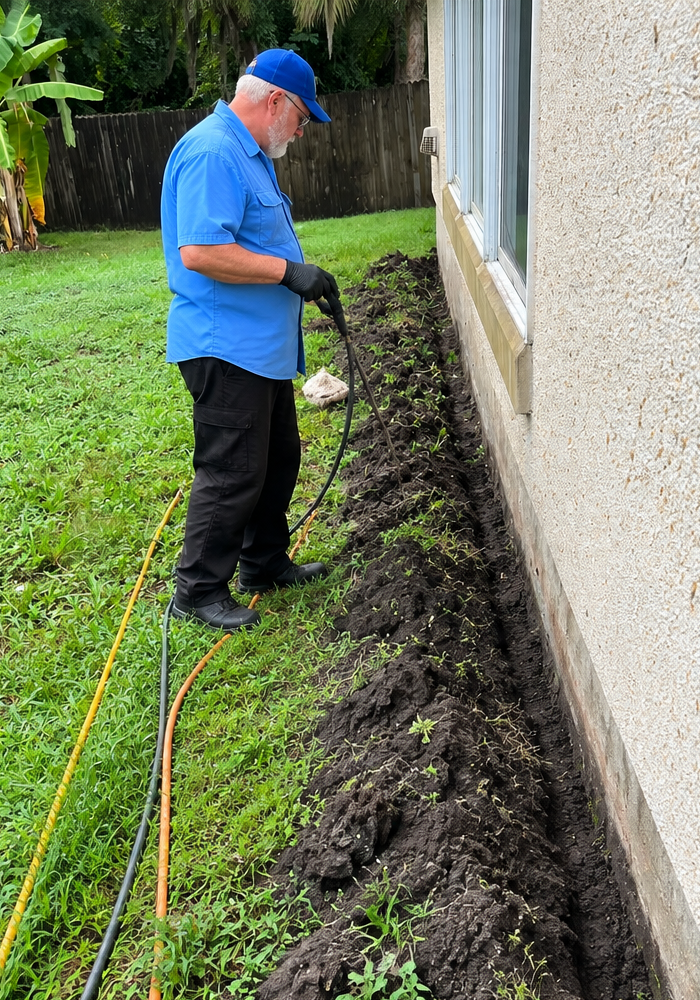
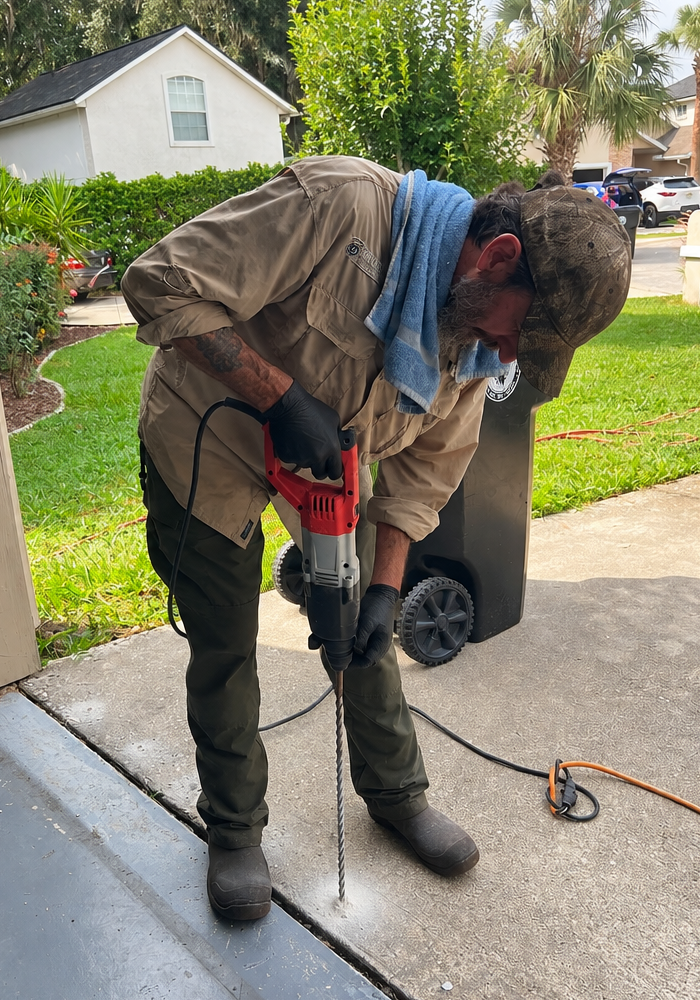
Treatment Note: Bug Cops applies termiticides according to product label directions. We determine the treatment method and application areas based on the property’s construction, conditions, and inspection findings.
Maintaining Your Seven-Year Retreatment Coverage
The initial subterranean termite treatment begins the protection period, and maintaining retreatment coverage requires annual renewal and inspection. These inspections allow Bug Cops to look for new termite activity, evaluate changes around the property, and document conditions that may affect termite protection.
Annual Renewal & Inspection
Annual renewal includes a professional termite inspection and keeps your retreatment coverage active. We’ll inspect for visible evidence of activity and document conditions that may need attention.
Report Termite Activity
If you notice swarmers, mud tubes, damaged wood, or other possible signs of termite activity, contact Bug Cops promptly. We’ll evaluate what you’re seeing and determine the appropriate next step.
Tell Us About Property Changes
Decks, pools, additions, concrete work, grading, and other projects can disturb treated soil and break the treated termite barrier around the structure. Therefore, let us know when work may affect a treated area so Bug Cops can determine whether additional treatment is needed. Additional charges may apply.
Coverage Note: We document conditions that need attention in the annual inspection report so you know what to correct.Uncorrected conducive conditions or disturbance of treated areas may affect retreatment coverage. Coverage is subject to the terms of the termite agreement.
Continuing Your Termite Protection
At the End of Seven Years
At the end of the seven-year protection period, Bug Cops performs another complete liquid soil treatment. A new retreatment-only termite agreement then begins, providing another seven years of coverage when annual renewal and inspection requirements are maintained.
Selling Your Home?
You may transfer an active termite agreement to a new homeowner as long as required renewals and inspections remain current. Bug Cops may require an inspection when the transfer occurs near the annual renewal date, and a transfer fee applies.
Transferability and continued coverage are subject to the terms of the termite agreement.
Evidence Before Recommendations
Termite decisions should be based on evidence—not fear or pressure. Bug Cops has been Protecting & Serving since 1993, and we use that experience to look beyond the obvious and evaluate the conditions surrounding your property.
We’ll explain what we inspected, show you visible evidence when it is accessible, and help you understand the difference between active termite activity, previous damage, and conditions that may increase future risk. If we recommend termite protection services, we’ll explain what we recommend and why.
Termite Protection Services FAQs
Termite Inspections & Treatment
You must complete the annual renewal and inspection to maintain the seven-year retreatment coverage. During the inspection, Bug Cops looks for visible evidence of termite activity and documents conditions that may affect protection.
No. Termites require specialized inspections and treatment methods, so general household pest service does not automatically include termite protection. We’ll explain which services and protection are included in your current plan.
Subterranean termites live in colonies in the soil and travel between the ground and a structure. Drywood termites establish colonies within the wood they infest and do not require soil contact. Because their behavior differs, the appropriate treatment method differs as well.
Retreatment Coverage & Termite Activity
If Bug Cops finds qualifying live subterranean termite activity while the retreatment-only agreement remains active, we’ll inspect and retreat the active area at no additional charge.. The agreement does not include repair or reimbursement for termite damage.
Decks, pools, additions, concrete work, grading, and other projects can disturb treated soil. Contact Bug Cops when work may affect a treated area so we can determine whether additional treatment is needed to maintain protection. Additional charges may apply.
Avoid disturbing the area where activity appears to be emerging. If possible, take clear photographs or save a few specimens for identification, then contact Bug Cops for an inspection. Swarmers do not always confirm an infestation inside the structure, so Bug Cops should inspect the activity before determining whether termites are present in the structure.
Ready to Protect Your Home From Termites?
Whether you’ve found suspicious termite activity or want preventative protection, our termite protection services begin with inspecting the property, explaining what we find, and helping you understand the appropriate next step.