Identification Guides
Bug Cops Identification Guides help North Florida homeowners identify what they find around their homes and lawns. In addition, the guides cover common pests, rodents, turf-damaging insects, and weeds. Not sure what has moved into your home or yard? Explore the Bug Cops Identification Guides to learn about common North Florida suspects. For example, compare what they look like, where they may be found, and conditions that can contribute to their activity.
In Clay & Putnam Counties, pest activity can vary with the season, property conditions, moisture, and surrounding habitat. Correct identification is an important first step. These guides can help you better understand what you’re seeing. However, a professional inspection may be needed to confirm the pest and determine the appropriate response.
What Are You Seeing?
Common Household Pests
Learn about ants, cockroaches, silverfish, spiders, and other pests that may enter Florida homes. In addition, compare identifying features, common hiding areas, and conditions that support their activity.
Termites & Wood-Destroying Pests
Explore termites and other wood-destroying insects found around Florida structures. Then, learn the warning signs, conditions that may place a structure at risk, and when a professional inspection may be needed.
Turf-Damaging Insects
Identify common lawn-damaging insects found in North Florida lawns. These include chinch bugs, mole crickets, tropical sod webworms, and fall armyworms.
Broadleaf Weed Identification
Identify common broadleaf weeds found in North Florida lawns. In addition, compare identifying features, growing conditions, and what their presence may indicate about your lawn.
Browse the Common Household Pest Identification Guides
Learn about ants, cockroaches, silverfish, spiders, and other pests that may enter Florida homes. In addition, compare identifying features, common hiding areas, and conditions that support their activity.
Ants
Learn why ants enter homes and where colonies may be located. In addition, correct identification can help determine an effective control approach.
Cockroaches
Explore common cockroach characteristics, hiding areas, and property conditions. For example, food, water, and shelter may allow these resilient household pests to remain active.
Spiders
Learn about spiders commonly encountered around homes and where they may build webs or hide. In addition, spider activity may provide clues about other insect activity nearby.
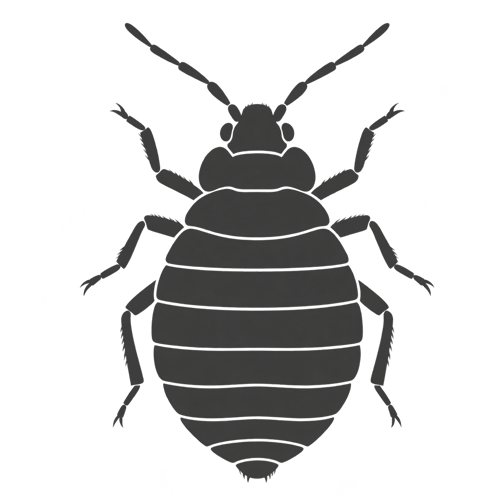
Bed Bugs
Learn how to recognize bed bugs and common signs of activity. For example, spotting, shed skins, and other evidence may be found around sleeping and resting areas.
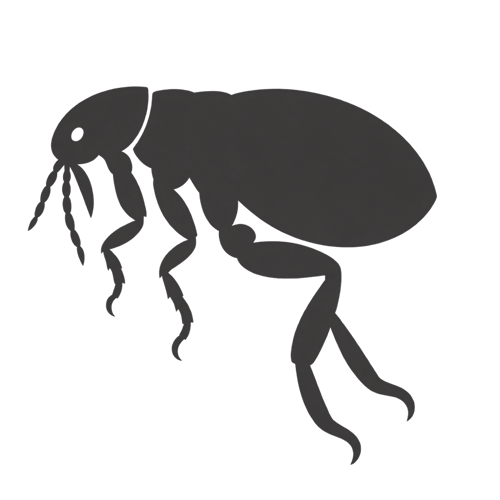
Fleas
Learn about flea activity, common hosts, and areas where fleas may develop. However, treating only the visible adult fleas may not resolve the concern.
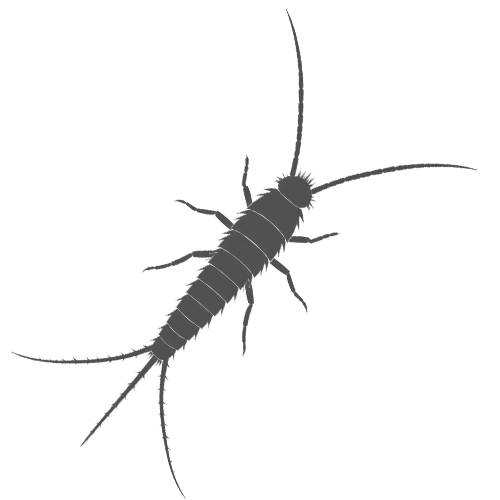
Silverfish
Identify silverfish by their distinctive shape and movement. In addition, learn why they are often found in humid, protected areas of a home.
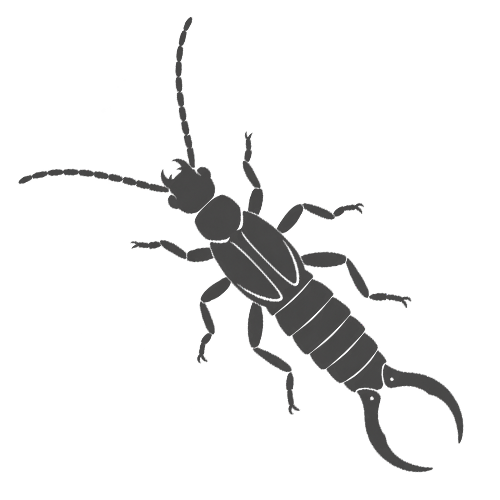
Earwigs
Learn how to recognize earwigs and where they commonly shelter. In addition, moisture and changing outdoor conditions may occasionally bring them indoors.
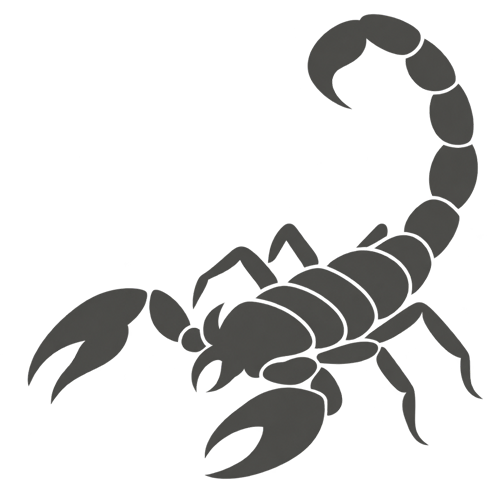
Scorpions
Identify scorpions commonly encountered in Florida and where they may hide around homes. For example, changes in outdoor conditions may cause them to wander toward structures.
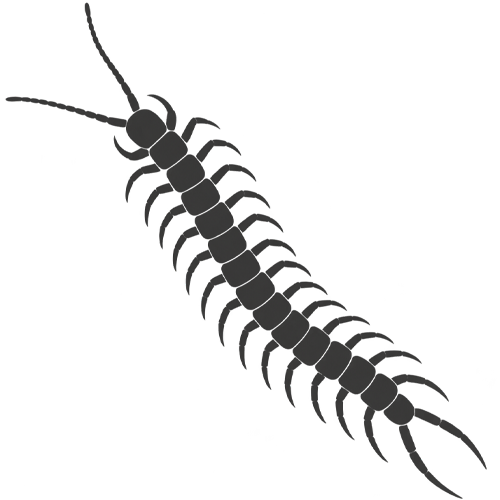
Occasional Invaders
Identify scorpions commonly encountered in Florida and where they may hide around homes. For example, changes in outdoor conditions may cause them to wander toward structures.
Browse the Termite & Wood-Destroying Pest Identification Guides
Explore termites and other wood-destroying insects found around Florida structures. For example, learn about warning signs, conditions that may place a structure at risk, and when a professional inspection may be needed.
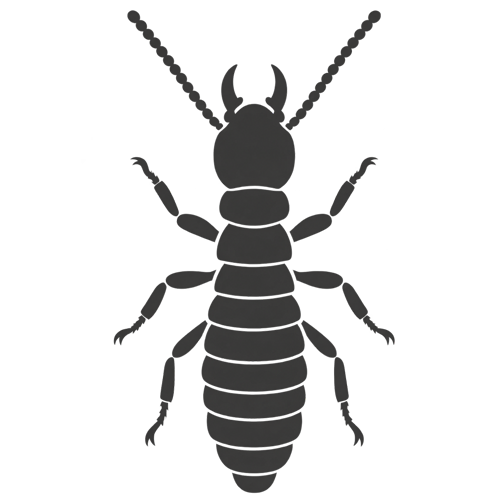
Termites
Learn about termite activity, visible warning signs, and conditions that may place a structure at risk. In addition, learn why professional identification can be important.
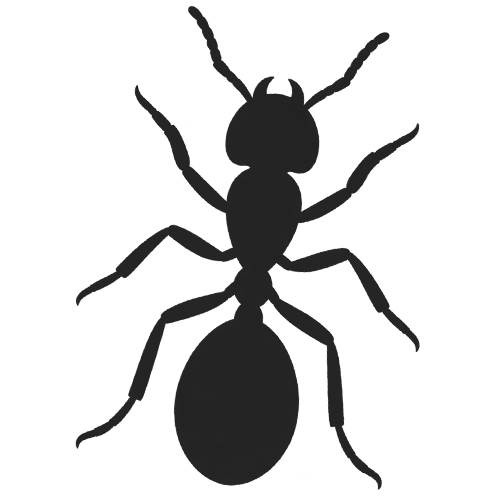
Carpenter Ants
Discover how carpenter ants differ from termites and where they may establish nests. For example, their presence may provide clues about moisture or damaged wood.
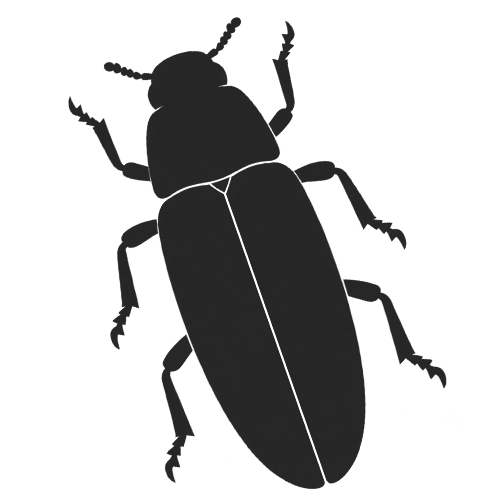
Wood-Destroying Beetles
Learn about beetles whose larvae develop inside wood and the evidence they may leave behind. However, proper identification requires careful evaluation because several wood-destroying beetles can leave similar signs.
Browse the Outdoor & Biting Pest Identification Guides
Identify mosquitoes, fire ants, fleas, ticks, and stinging insects found around North Florida properties. In addition, learn about breeding areas, nesting locations, and conditions that may encourage their activity.
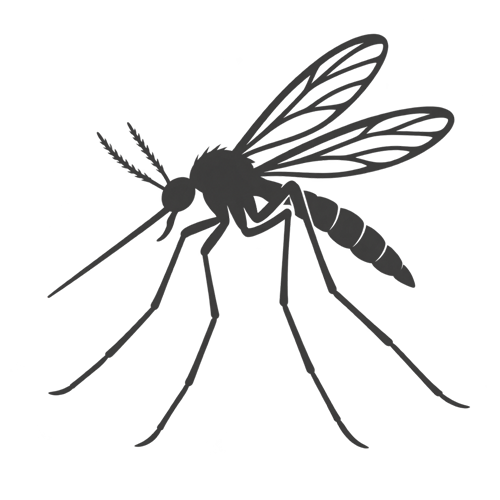
Mosquitoes
Learn where mosquitoes breed and rest and what attracts them to a property. For example, rainfall and standing water can increase their activity.
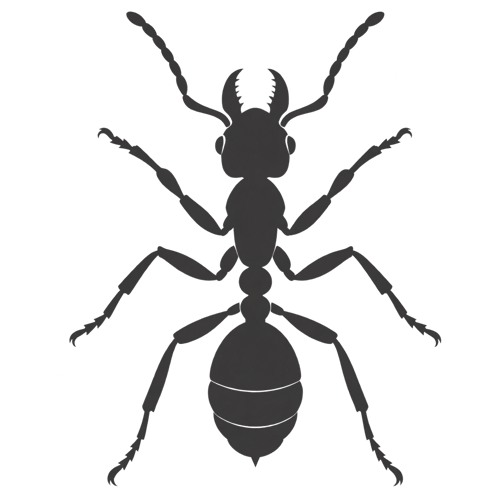
Fire Ants
Identify fire ant mounds and behavior and learn where colonies may develop. In addition, understand why disturbing a mound can result in painful stings.
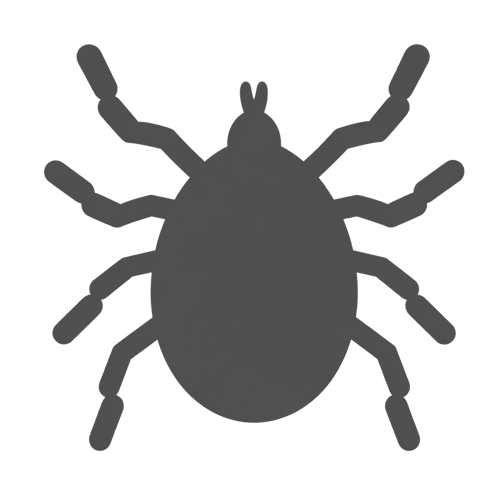
Ticks
Explore common tick characteristics and where ticks may wait for a host. Also, learn how vegetation, wildlife, and outdoor activity can influence encounters.
Wasps & Stinging Insects
Learn to recognize common stinging insects and where nests may be established. However, an active nest should be approached carefully.
Browse the Rodent Identification Guides
Learn how to recognize rats and mice around homes and buildings. For example, compare signs of activity, common entry points, and conditions that may provide rodents with food, water, or shelter.
Rats
Learn about common signs of rat activity and possible entry points. In addition, nesting areas and property conditions may provide rats with food, water, or shelter.

Mice
Identify signs that mice may be present and learn how small openings can provide access. For example, stored materials, food sources, and protected spaces can support their activity.

Signs of Rodent Activity
Learn how to recognize droppings, gnawing, nesting materials, unusual sounds, and other evidence. As a result, these clues may help determine whether rats or mice are active around a property.
For additional Florida pest and lawn information, visit the UF/IFAS Extension resources.
Can’t Identify What You’re Seeing?
Pest identification is not always easy from a quick sighting. Tell Bug Cops what you’ve been seeing and where the activity is occurring. Then, we’ll help determine the appropriate next step.