
Bed Bug Control Services in Clay & Putnam Counties
Bug Cops provides professional bed bug control services throughout Clay and Putnam Counties, Florida. We inspect common hiding places and look for signs of activity. Then we recommend targeted insecticide treatments based on what we find.
Bed bugs can hide in bedrooms, furniture, and other areas where people rest. These small pests are difficult to find and may spread before homeowners realize there’s a problem. Finding signs early can help prevent further activity.
Bed bug control often requires careful preparation and follow-up. Our goal is to identify the problem, explain the treatment process, and help homeowners understand what to expect before and after service.
Locally Owned • Family Operated • Serving Clay & Putnam Counties

Why Are Bed Bugs Difficult to Control?
Bed bugs are small, flat insects that hide in narrow cracks and protected spaces. They often stay close to where people sleep or rest. For example, mattresses, bed frames, headboards, and nearby furniture can provide hiding places.
Although bed bugs usually feed while people are resting, they may remain hidden during the day. Their eggs and small hiding places also make infestations difficult to control.
Because bed bugs can hide in several locations, a careful inspection is important. Bug Cops looks for live insects, shed skins, dark spotting, and other signs of activity. We then recommend targeted insecticide treatment based on our findings.
Follow-up inspections or treatments may also be needed. In addition, we explain how homeowners can prepare for service and help prevent bed bugs from spreading.
Signs You May Need Bed Bug Control Services
Itchy bites or red welts may be the first clue of a possible bed bug problem. However, bed bugs can also leave evidence around beds, furniture, and nearby hiding places. Knowing what to look for can help homeowners recognize signs of activity and decide when an inspection is needed.
Itchy, Red Bites & Welts
Waking up with itchy, red bites or welts may be the first clue of a possible bed bug problem. Bites may appear in clusters or lines, but reactions vary from person to person. These signs often lead homeowners to check their bedding and nearby furniture for pest activity.
Live Bed Bugs
Adult bed bugs are small, flat, and reddish-brown. They may be found along mattress seams, bed frames, headboards, and nearby furniture. Finding a live bed bug is an important sign that closer inspection is needed.
INSPECTION NOTE — Bites Alone Don’t Confirm Bed Bugs. Mosquitoes, fleas, other insects, and some skin conditions can cause similar marks. Some people also show no visible reaction to bed bug bites. That’s why Bug Cops looks for physical evidence before recommending treatment.
Bed Bug Control Services and Prevention Work Together
Bed bug control requires careful inspection, targeted treatment, and homeowner cooperation. Bug Cops uses conventional insecticide treatments to address bed bug activity. Professional treatment is important, but proper preparation and follow-up also play a key role.
Professional Bed Bug Control Services
Bug Cops begins by inspecting beds, furniture, and nearby hiding places for signs of bed bugs. We look for live insects, eggs, shed skins, and dark spotting to help determine where activity is present.
Based on our findings, we recommend targeted insecticide treatments. We focus on areas where bed bugs hide and follow product-label requirements. Bed bug eggs and hidden insects can be difficult to control. As a result, additional treatments may be needed.
Our goal is to reduce bed bug activity while helping homeowners understand the treatment process and what to expect afterward.
Bed Bug Prevention at Home
Homeowners play an important role in bed bug prevention and control. Checking luggage after travel and inspecting secondhand furniture can help reduce the risk. Homeowners should also watch for early signs can help reduce the risk of bringing bed bugs into the home.
When treatment is needed, following preparation instructions is essential. Preparation may include laundering certain items and reducing clutter. It can also include making affected areas accessible for inspection and treatment.
Because bed bugs can spread through belongings and furniture, avoid moving infested items into other rooms. Bug Cops will explain how to prepare and what steps to take after service.
Common Bed Bug Hiding Places
Bed bugs often hide in small cracks and protected spaces near places where people sleep or rest. They may also be difficult to see during the day. Knowing where they hide can help homeowners recognize possible problem areas before an infestation spreads. A professional inspection can help confirm bed bug activity and identify locations that may need treatment.

Mattress Seams & Piping
Bed bugs often hide along mattress seams, piping, and fabric folds. These narrow spaces provide shelter close to where people sleep. During an inspection, we also check for live bed bugs, dark spotting, shed skins, and eggs.

Bed Frames & Headboards
Bed frames and headboards offer many hiding places. Small joints, screw holes, and cracks can shelter bed bugs. In addition, spaces behind the headboard may need careful inspection and targeted treatment.
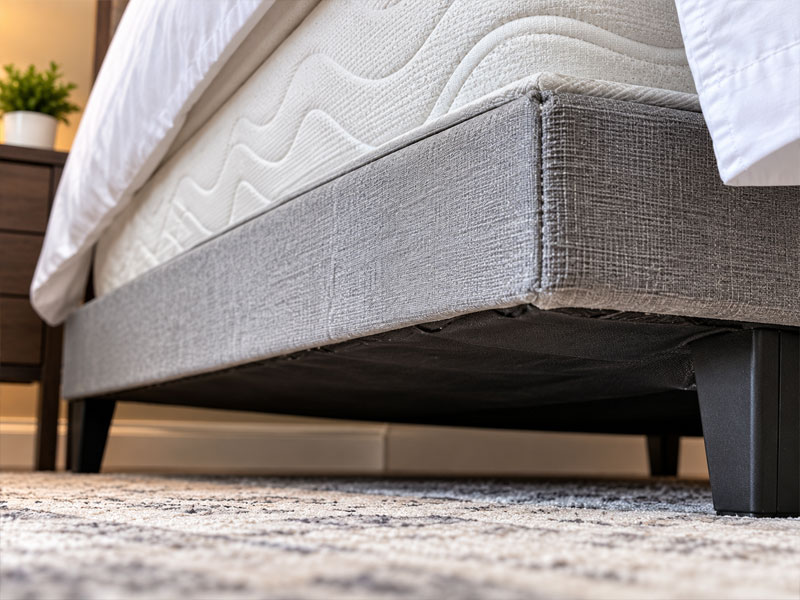
Box Springs & Bed Foundations
Bed bugs may hide along box spring edges, underneath fabric coverings, and inside frame joints. These protected spaces can be difficult to inspect, especially when bed bugs hide beneath fabric coverings. A closer examination may reveal signs of activity that are not visible from above.

Nightstands & Nearby Furniture
Bed bugs may move into nightstands, dressers, and furniture near sleeping areas. Drawer joints, corners, and small cracks can also provide shelter. Inspecting nearby furniture also helps determine how far activity may have spread.

Sofas & Upholstered Furniture
Bed bugs can also hide in sofas, recliners, and upholstered chairs. Seams, cushions, folds, and furniture frames may provide hiding places. These areas also deserve attention when people regularly rest or sleep there.
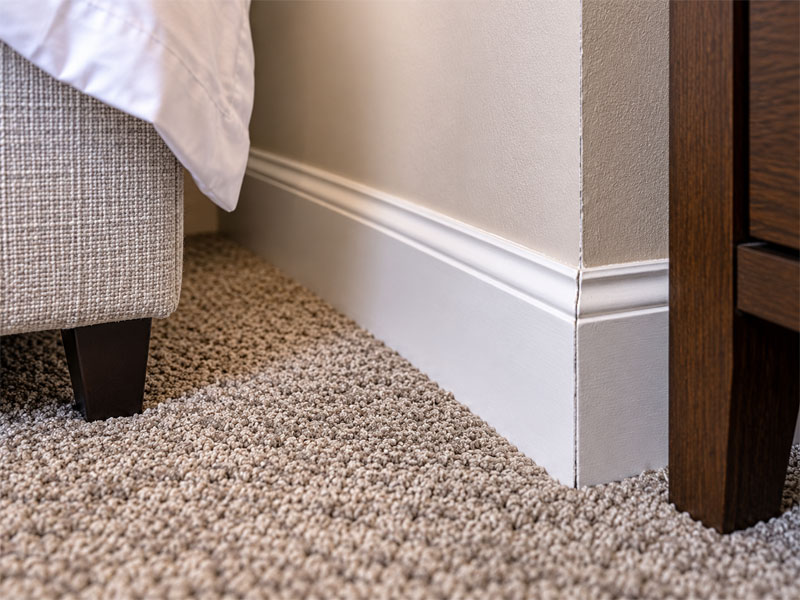
Baseboards & Wall Cracks
Bed bugs may hide in gaps along baseboards, wall cracks, and other narrow openings. Bed bugs can also find shelter in the locations away from the bed. Inspecting surrounding areas helps identify additional hiding places.
Bed Bug Control Services FAQs
Bed bugs can enter North Florida homes through luggage, clothing, furniture, and other belongings. Travel and overnight guests can increase the chance of bringing bed bugs inside. Secondhand furniture can also introduce them into a home. Bed bugs can also spread between nearby rooms or apartments.
Not always. Bed bugs can hide in mattress seams, furniture, and small cracks throughout a home. Their eggs can also be difficult to control, too. Bug Cops uses targeted insecticide treatments for homes and properties in Clay and Putnam Counties. Depending on the level of activity, additional treatments or follow-up inspections may be needed.
Bug Cops provides preparation instructions based on your property and treatment plan. You may need to wash and dry bedding, reduce clutter, and make furniture accessible. Also, avoid moving infested belongings into other rooms. This can spread bed bugs. Whether you live in a single-family home, apartment, or condo, proper preparation helps us reach the areas that need attention.
Bug Cops follows product-label directions for every treatment. Before service, we’ll explain any steps needed to prepare your home. Children and pets must stay away from treated areas during application and until reentry is permitted. Our team will explain the precautions that apply to your property.
Yes. Bed bugs may survive in hidden areas or be brought inside again through travel, visitors, or belongings. This can happen in homes throughout North Florida. Following treatment instructions and completing recommended follow-up services can help reduce future problems. Homeowners should also watch for new signs of bed bug activity.
Bug Cops Pest Control Identification Guides
Not every itchy bite is caused by bed bugs. Fleas, mosquitoes, and other biting pests can cause similar reactions. Our Pest Identification Guides help homeowners recognize common pests and the evidence they leave behind. Learn what to look for before deciding on the next step.
Bed Bug Guide
Learn how to recognize bed bugs, find signs of activity, and understand how bed bug problems differ from other biting pests.
Flea Guide
Learn how to identify fleas, understand where they develop, and recognize signs of activity around your home and pets.
Found Signs of Bed Bugs?
Not sure whether those bites or dark spots are caused by bed bugs? Send Bug Cops a pest photo or request a free inspection. We’ll look for evidence of activity, check common hiding places, and help identify the problem. Then we’ll explain what steps may be needed to protect your home.
Ready to Take Back Your Bedroom?
Bed bug problems can make it difficult to feel comfortable in your own home. Bug Cops provides professional bed bug control services throughout Clay and Putnam Counties. We use targeted insecticide treatments based on inspection findings and explain what to expect before and after service.